

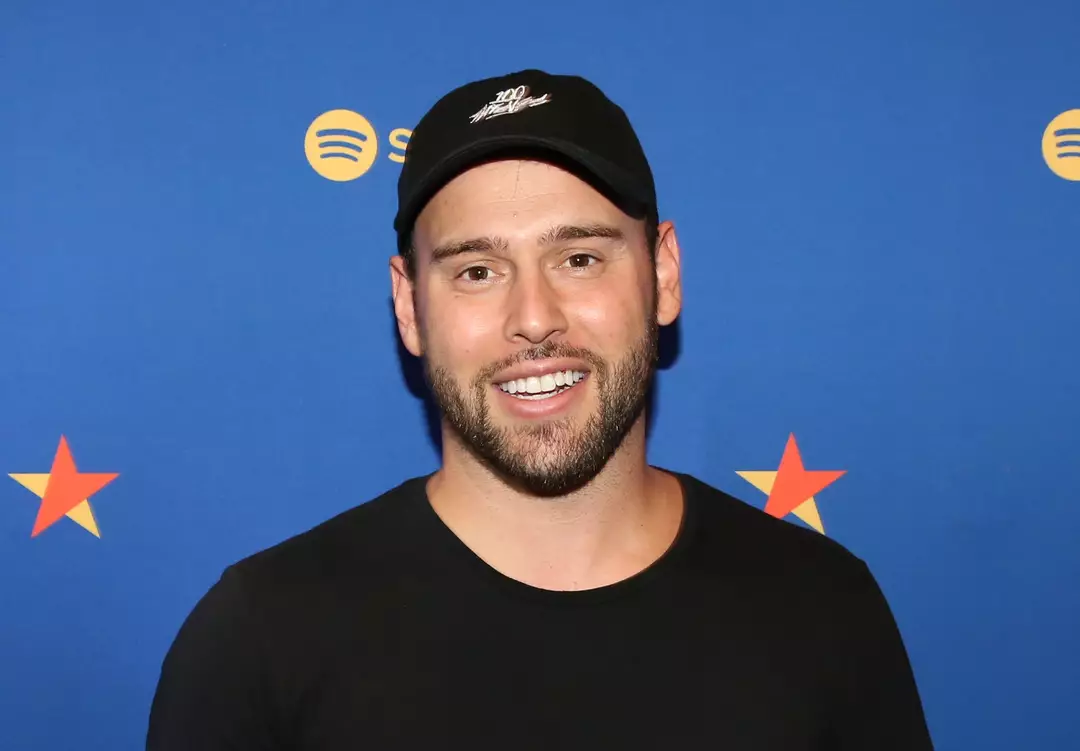
Scooter Braun has spoken further about his highly publicised dispute with Taylor Swift, saying there’s a part of the saga that still leaves him baffled.
The former manager revisited the controversy over Swift’s master recordings during an appearance on Suzy Weiss’ Second Thought podcast, arguing that many people misunderstood what kind of relationship he and Swift actually had.
He suggested that, despite the way the story has been framed for years, the pair were never close in the first place.
“I don’t know Taylor Swift,” Braun said.
“I think I’ve met her in my life three times. I have never had a substantial conversation with her in my life.”
According to Braun, one persistent assumption has been that there was an established personal feud between them behind the scenes.
“I think there’s this big misconception that we knew each other and we had this feud and I managed her for years,” he explained.
“People are usually shocked to find out that I legitimately don’t know her.”
He also claimed there was essentially no communication between them in the years before he went on to acquire Big Machine Label Group — the company that owned the masters to Swift’s first six albums.
“The three years prior to us buying Big Machine, she and I had no contact,” he said.
The dispute erupted into one of the music industry’s most talked-about controversies after Braun bought Big Machine in 2019 in a deal reported to be worth roughly $300 million.
With that purchase, he gained ownership of the master recordings for several Swift albums, including Fearless, Speak Now, Red, 1989 and Reputation.
Swift later accused Braun publicly of “incessant, manipulative bullying” and said discovering he had obtained the rights to her music was her “worst nightmare.”
In a Tumblr post shared at the time, she also maintained she hadn’t been offered a genuine chance to purchase her masters herself.
“Never in my worst nightmares did I imagine the buyer would be Scooter,” Swift wrote.
“Controlling a woman who didn’t want to be associated with them. In perpetuity. That means forever.”
The backlash spread rapidly online, with Swift’s supporters throwing their weight behind her and Braun finding himself cast as a villain in the public narrative almost immediately.
Looking back on that period during the podcast, Braun said the speed and intensity of the reaction caught him off guard.
“I went from being loved and appreciated for over a decade to literally a villain the next night,” he said.
Even so, Braun argued that the episode helped push a wider discussion about whether artists should control the rights to their own work.
“As confusing as the situation was to me, I think what it did bring to light is that artists are going to start wanting to own their masters,” he explained.
“And I think you’re seeing artists more and more do that, and I think that’s great.”
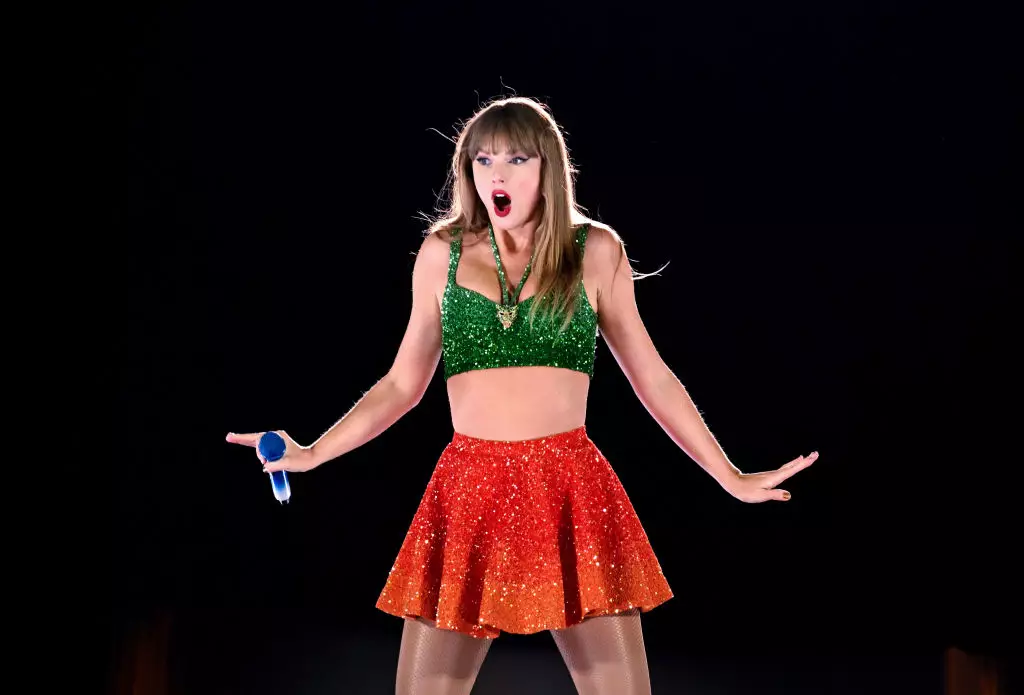
Swift ultimately answered the masters dispute by beginning a major re-recording campaign, releasing updated “Taylor’s Version” editions of her earlier albums as a way to reclaim control and reduce the value of the original masters.
Then, in May 2025, she announced she had bought back the rights to her original catalogue from Shamrock Capital, the firm that Braun had sold the masters to in 2020.
In a handwritten letter posted online, Swift described finally owning her music as reclaiming “my entire life’s work.”
“All I’ve ever wanted was the opportunity to work hard enough to be able to one day purchase my music outright,” she wrote.
Braun later said publicly he was “happy for her” after the news was confirmed.
While debate around the situation continues years later, Braun says he’s focused on moving on from what became one of the most turbulent stretches of his professional life.