

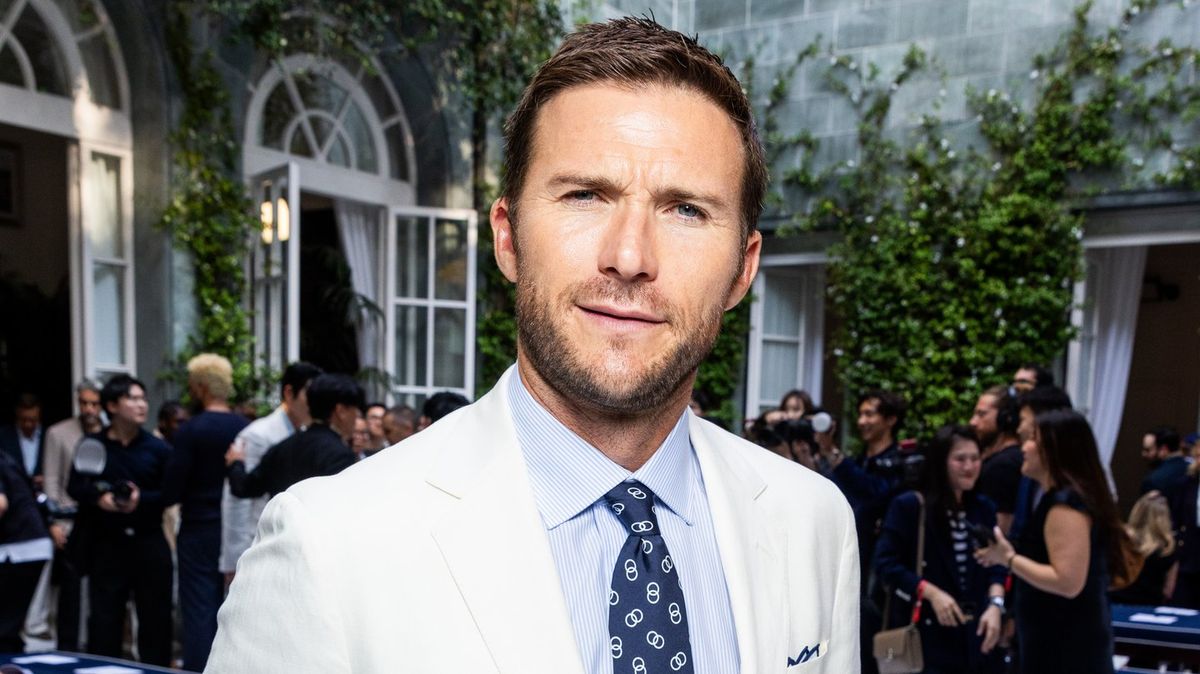
Scott Eastwood says growing up around Clint Eastwood’s productions gave him an early education in how sets work and how actors carry themselves.
Speaking on the August 3 episode of Armchair Expert with Dax Shepard, Scott looked back on visiting sets during school breaks and said his father was “very calm and even keeled and doesn’t raise his voice ever” while working.
He also shared that he’d “heard a legendary story” from the making of A Perfect World, a 1993 crime drama that Clint directed and starred in alongside Kevin Costner, when Clint and Kevin Costner were working together.
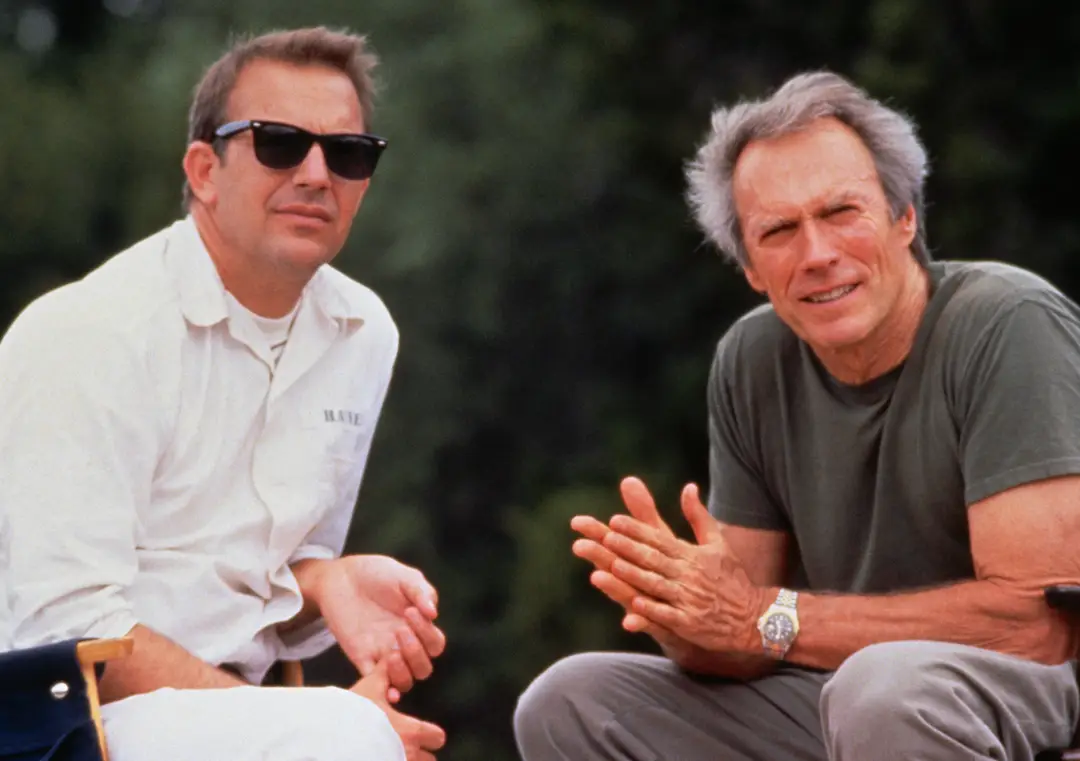
Recalling what he had been told, Scott said, “Kevin Costner, sort of going through maybe the Kevin Costner rise to fame and maybe got a big ego…” Scott said. “Apparently Kevin wouldn’t come out of his trailer for some reason.”
According to Scott, that rubbed Clint the wrong way because he “doesn’t do trailers and things,” and his outlook on set life is blunt: “He’s like ‘Just be on set. You want to learn how to make movies? You want to learn how to do this? You stay here with everybody else and you make the damn movie’.”
Scott said Clint’s answer was simple: production was told to send Costner home, even though he was needed for the scene. Instead of waiting, Clint simply removed Costner’s character from the scene altogether. As Scott put it, “I think the next day he was on set, ready to go,” Scott joked.
Scott noted that his father is known for “moving quick” as a director, meaning actors need to arrive prepared. “You better come ready to work,” he said.
Elsewhere in the conversation, Scott said there’s “a lot of insecurity that comes with acting sometimes” and argued that it can affect how performers behave around other people on set.
He explained, “Because they’re so insecure about their performance or what they’re doing that then they overcompensate with this like confidence or fake bravado and it’s an ugly cycle because you’re like: ‘Hey man, just me nice and cool’.”
Scott also admitted he’s “never felt like [he] fit in” in the business and said he “still” feels that way now. While he says he “loves the act of storytelling” and enjoys “being a part of creative process,” he has little interest in “intellectualizing about it [or] having long talks about acting”.
As he put it, “That doesn’t mean I don’t put in reps in the gym,” and he said the mindset comes from his father too. “My dad was never one to intellectualize about it. He was like: ‘Just go tell the truth, man. Figure it out. Come prepared. Do the job. Get the hell out. There’s other things outside the industry that are interesting’. “
That practical approach, he said, shaped his attempt to “understand if [he] could make” a career in acting on his own terms. He reflected, “You start working, you start taking acting classes, you take improv classes like the Groundlings and things and then you start auditioning like a madman,” he reflected. “[…] And then you start working and you realise it’s more about doing the work and living in a hotel room across the globe and it doesn’t really matter at the end of the day. You’ve got to do the work.”