

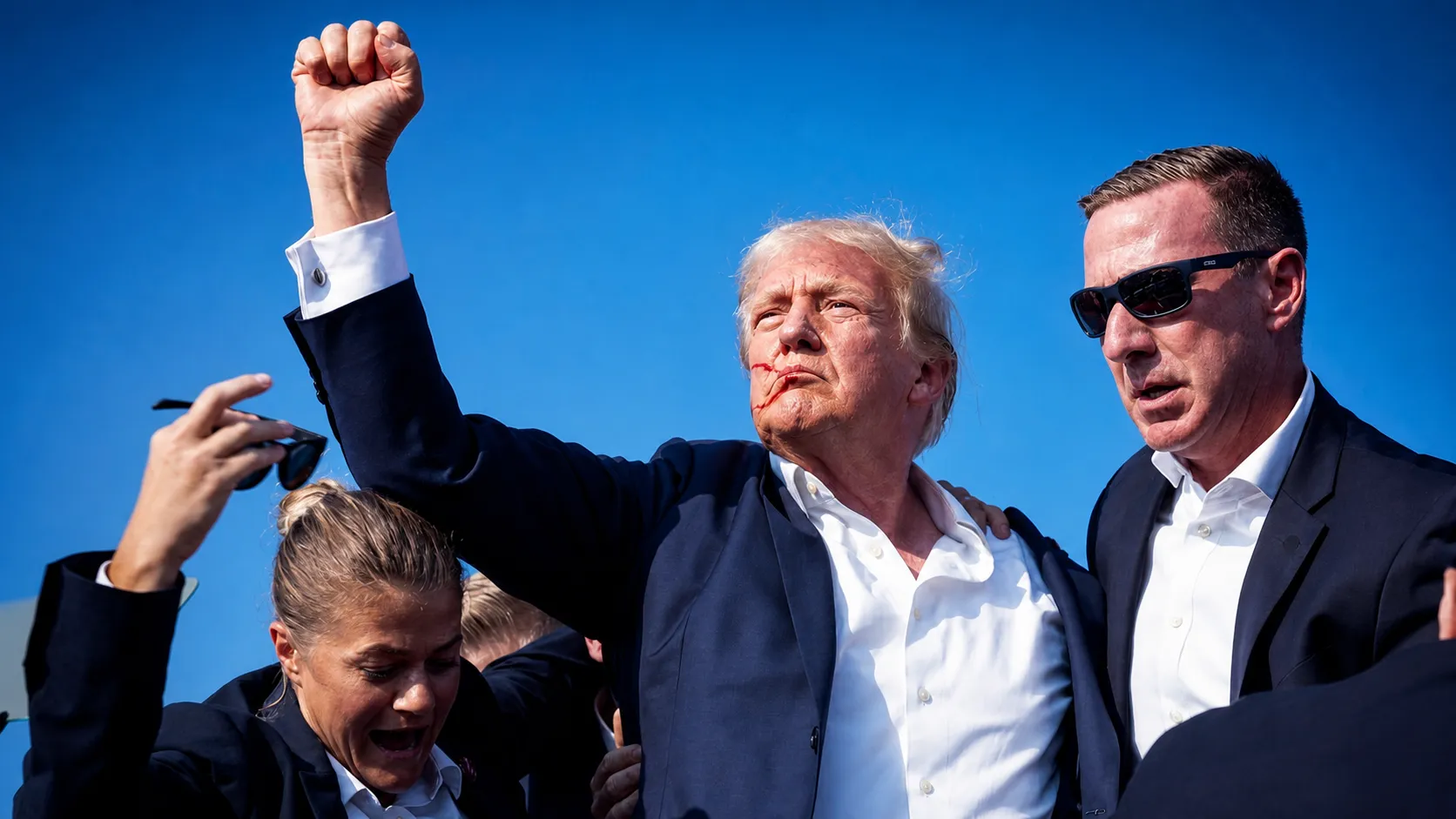
A newly released federal report has laid out a series of breakdowns by officials in the lead-up to the failed attempt on President Donald Trump’s life, during which a bullet struck his ear.
Published by the Department of Homeland Security inspector general on Thursday, July 2, 2026, the document says authorities “missed multiple opportunities to detect, prevent, and disrupt” the attack at Trump’s July 13, 2024 rally in Butler, Pennsylvania.
The report adds fresh detail to earlier findings that the security operation suffered from poor communications, weak planning and confusion about who was receiving urgent warnings in real time. It says the failure was not caused by one mistake, but by a chain of missed signals, unclear responsibility and technical problems that left officers without a full picture of the threat.
Among its most striking findings was that officials missed 102 local radio transmissions that reportedly included warnings about a man later identified as Thomas Matthew Crooks, who was being sought as a possible threat to the president before gunfire broke out.
According to the report, at 6.09pm local time, law enforcement contacted the Secret Service and the Pennsylvania State Police communications room with information about Crooks.
They were apparently “warning them of a suspicious person on the AGR complex’s roof”.
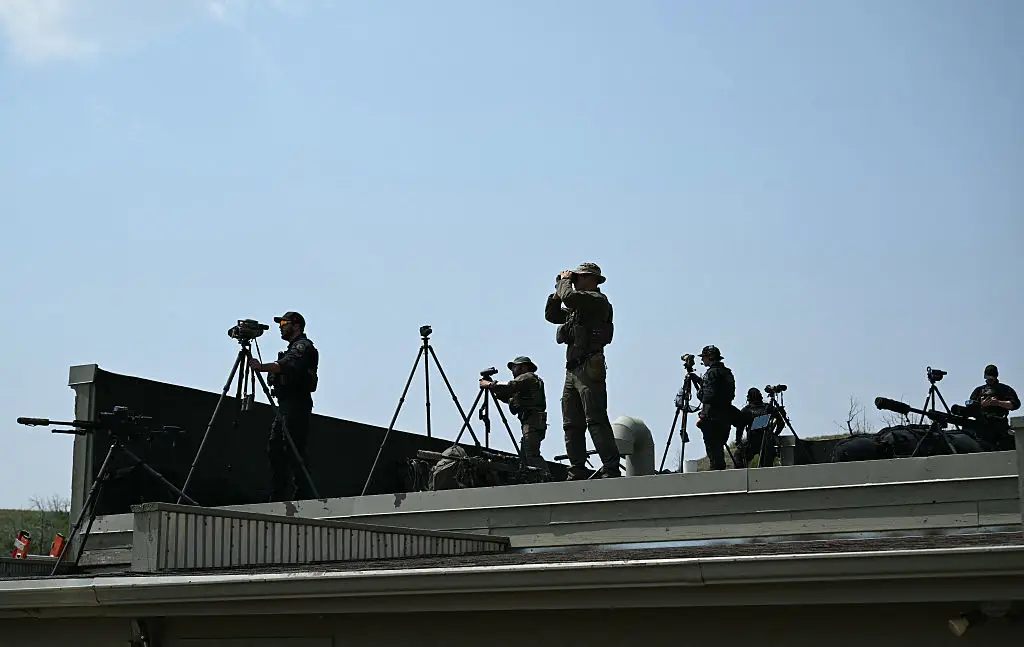
The report says the supervisor did not respond by requesting the exact location. It also alleges he “did not immediately identify it as a risk”, and that he did not “recall learning that the suspicious person was on the roof”.
It said he had “delegated communications about the suspicious person to the counter drone operator because it was a “busy time” on Secret Service radios and the counter drone operator was sitting near him and offered to help”.
Because the counter drone operator did not know where the rooftop was in relation to Trump’s position, he reportedly turned to Google rather than checking with local officers on the ground.
“Instead of asking local law enforcement personnel for the AGR complex’s location, the counter drone operator searched online for it, and was still searching when Crooks fired his first shots,” the report said, and two minutes after the warning came to the room, Crooks fired eight shots at Trump.
The inspector general’s report also says that the president’s protective detail was never properly told that an armed suspect had been spotted on the rooftop, despite local officers trying to relay information before the shooting began.
“Moreover, Secret Service decision-makers responsible for protecting President Trump while on stage at the Butler event were not made aware of Crooks’ presence at any time,” the report continued.
The document also describes a wider chain of failures, including overlooked emails, confusion over communications centers and staffing issues within the Secret Service, which may have reduced the chances of stopping Crooks before he opened fire.
Crooks is also said to have flown a drone over the site for nine minutes to survey the area, but that activity was not detected by the Secret Service because of a technical problem. The report describes the counter drone operator as “under-trained”, adding that emails seeking to assign an operator to the event had gone unanswered.
Investigators further found that the Secret Service “never received three transmissions from local law enforcement that the suspect on the roof had a long gun”, which the report says meant they did not have the proper “sense of urgency” to report the danger to Trump’s protection team.
The report also says some local police supporting the rally did not know there were two separate communications centers on site, creating the false impression that the Secret Service was hearing every transmission. In reality, some warnings were being passed across fragmented channels, while the people who needed the information most were not getting it in time.
That breakdown was especially dangerous because the roof from which Crooks fired had a direct line of sight to the stage. The report says the line-of-sight risk had been noticed during planning, but was not properly escalated or mitigated before Trump took the stage.
Trump survived with a graze to his ear, but the attack left one rally attendee dead and others injured.
Crooks was later shot dead by law enforcement at the scene.