

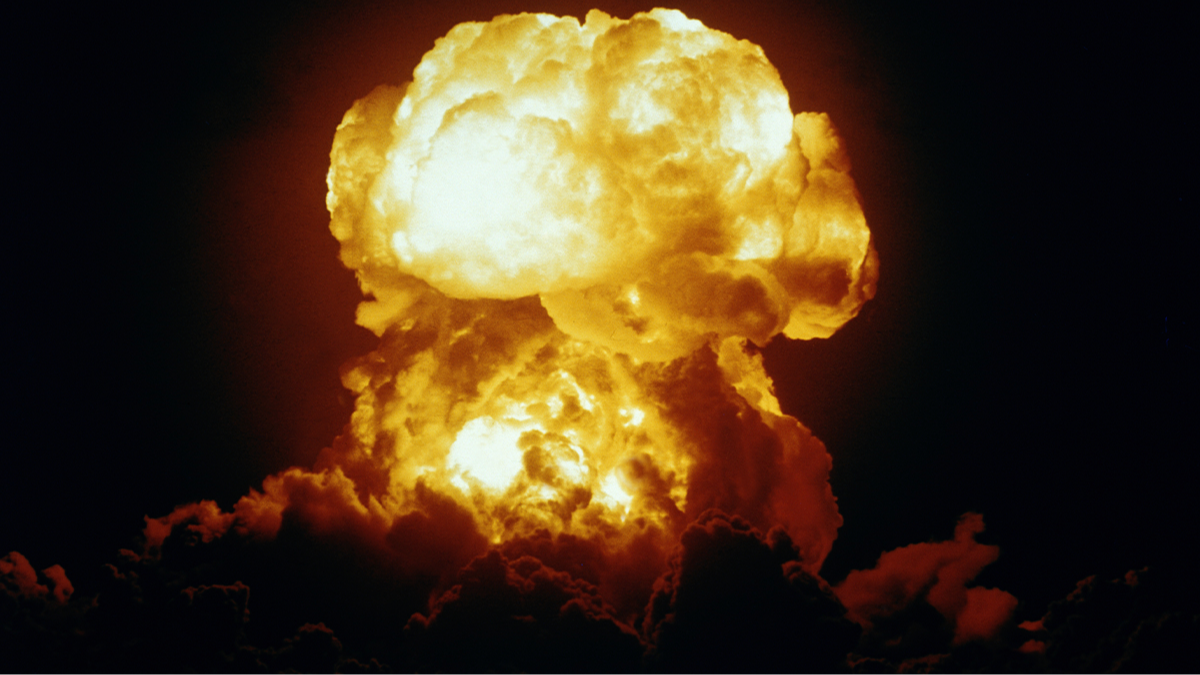
With tensions rising between the US, Israel and Iran following exchanges of strikes, some people are once again asking the same question: where would actually be safest if a global conflict erupted?
The idea of World War 3 has circulated for years, but it tends to spike whenever multiple flashpoints begin heating up at the same time.
Given the history of hostility between the US and Iran, Israel and Iran, the ongoing Israel–Palestine conflict, and Russia’s invasion of Ukraine, it’s not hard to see why many fear a broader escalation.
If fighting were to spread, major cities, military bases, ports, and industrial hubs would likely become obvious targets—meaning certain parts of the world could quickly turn dangerous.
Still, not everywhere would face the same level of risk. Some places are remote, politically neutral, geographically protected, or better positioned to cope with disrupted supply chains.
In fact, there are said to be 11 countries and islands that stand out as having unusual potential to keep people insulated from both nuclear fallout and wider political conflict.
These are the locations commonly highlighted.
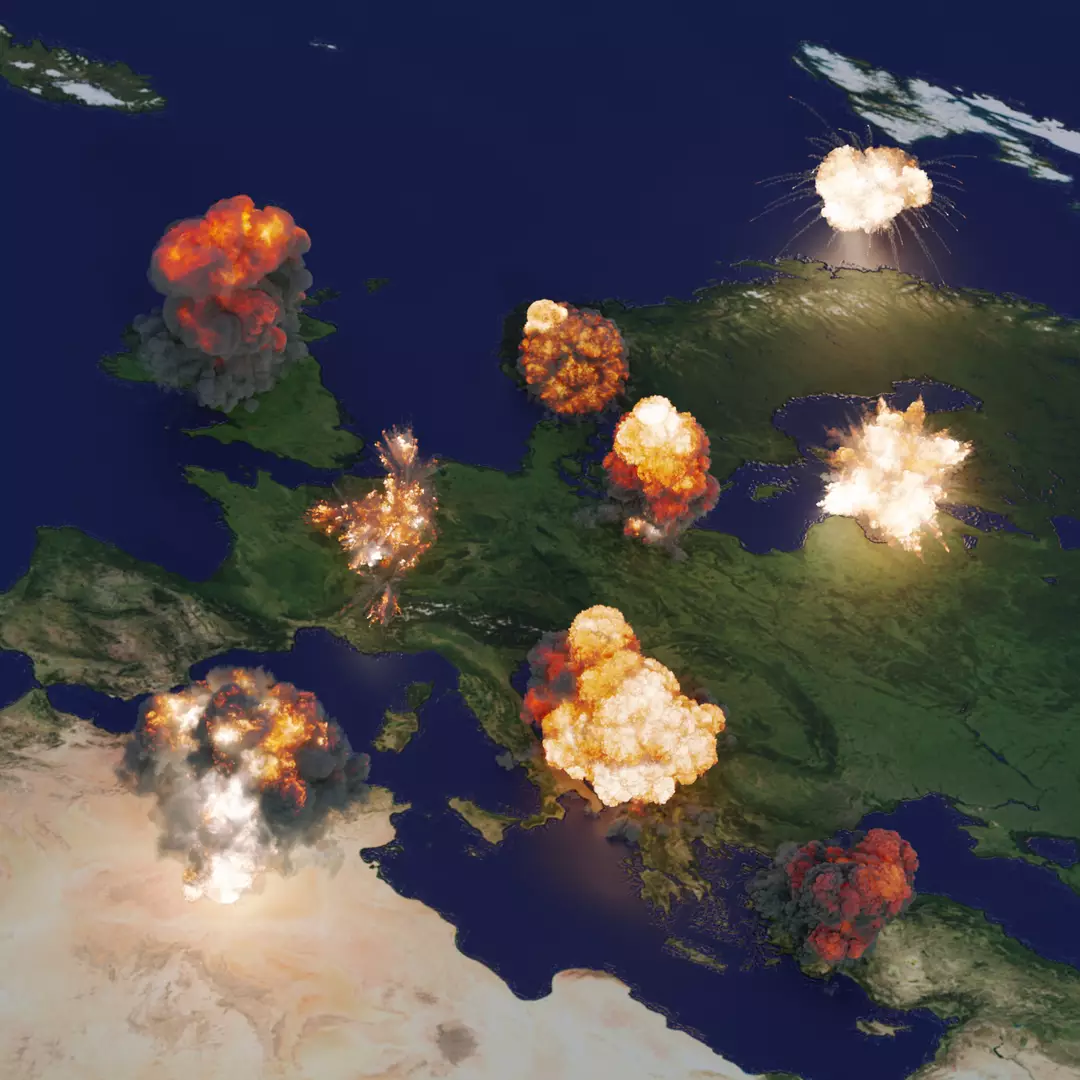
Antarctica is often mentioned first for one simple reason: it’s isolated, vast, and far from the strategic infrastructure that tends to attract attacks.
That said, while distance might reduce the likelihood of a strike, the environment is brutally unforgiving. Surviving there long-term would be a challenge in itself.
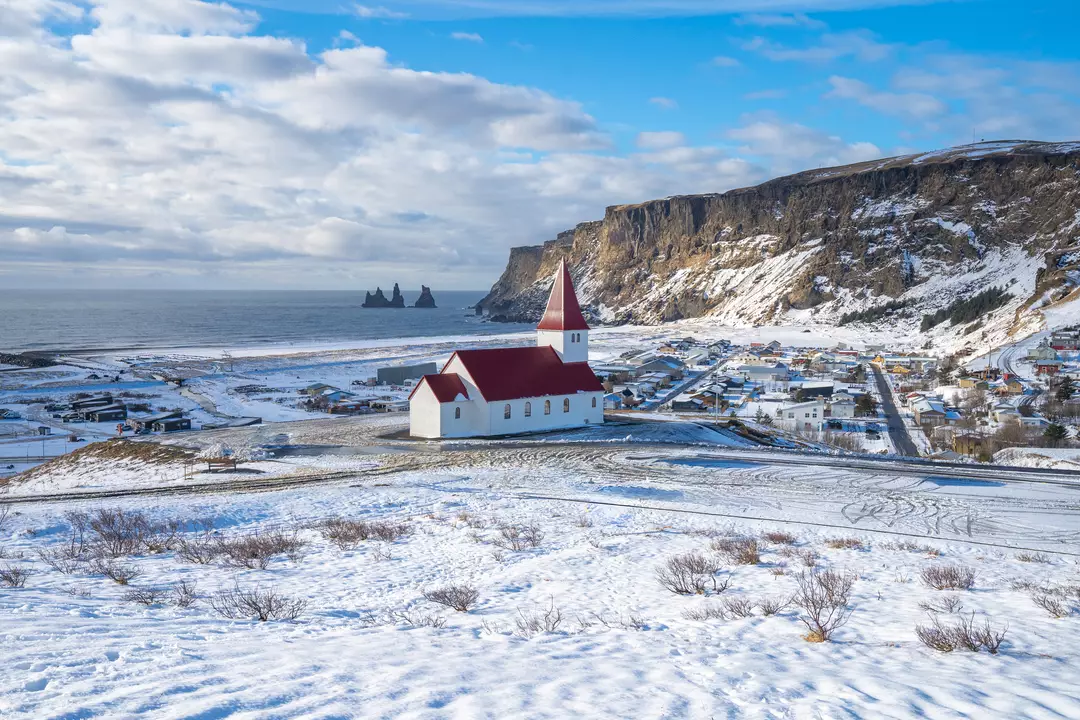
Another cold-climate option frequently raised is Iceland.
Despite its name, it isn’t entirely ice-covered—but it does have a tough climate and sits away from many of the world’s principal conflict corridors.
It’s also known for keeping out of modern warfare, which adds to the argument for it being left alone in a wider conflict.
For those imagining a place to wait things out quietly, Iceland’s remoteness makes it an appealing candidate.
Tuvalu is also named as a potential refuge, largely because of how small and remote it is.
Home to around 11,000 people and located in the Pacific Ocean, it’s the kind of place aircraft might pass over rather than head toward.
Of course, safety isn’t only about avoiding bombs. In a scenario where shipping routes collapse and imports dry up, food and self-sufficiency become crucial.
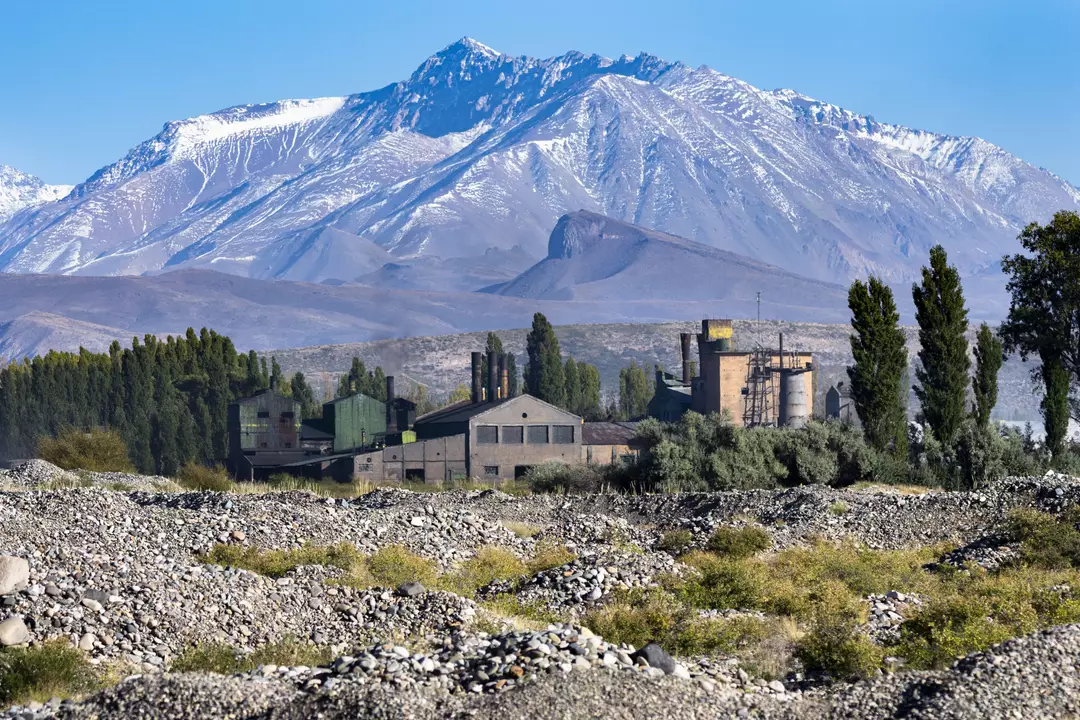
This is where Argentina is often highlighted as a strong option.
Its agricultural capacity—particularly staple crops—means it could be better placed than many nations to feed its population through long-term disruption.
Bhutan also appears in lists like these due to its reputation for prioritising peace and stability, having declared itself neutral in 1971.
Its mountainous terrain is another factor, creating natural barriers that could make it harder for outside forces to move in quickly.
On measures like the Global Peace Index, Iceland is often near the top—while New Zealand is regularly close behind, with Australia typically ranking highly as well.
Both are distant from many major geopolitical hotspots and have large, rugged regions that could offer shelter if conditions worsened.
Investigative journalist and author Annie Jacobsen has also explained that Australia and New Zealand could be two of the best places to stay in as they are one of the only places on the Southern Hemisphere capable of ‘sustaining agriculture’.
In an interview with Steven Bartlett for The Diary of a CEO podcast, Jacobsen said: “Places like Iowa and Ukraine would be just snow for 10 years. So agriculture would fail and when agriculture fails, people just die.
“On top of that, you have the radiation poisoning because the ozone layer will be so damaged and destroyed that you can’t be outside in the sunlight.
“People will be forced to live underground. So you have to imagine people living underground, fighting for food everywhere except for in New Zealand and Australia.”
Switzerland is another country often brought up in discussions about conflict avoidance, largely because of its long-standing stance of neutrality.
Supporters of this view argue that, because it has historically avoided taking sides militarily, it may be less likely to be targeted or dragged into a broader war.
Indonesia is also sometimes included, as it has generally focused on its own regional priorities and, in many circumstances, avoided entanglement in major power conflicts.
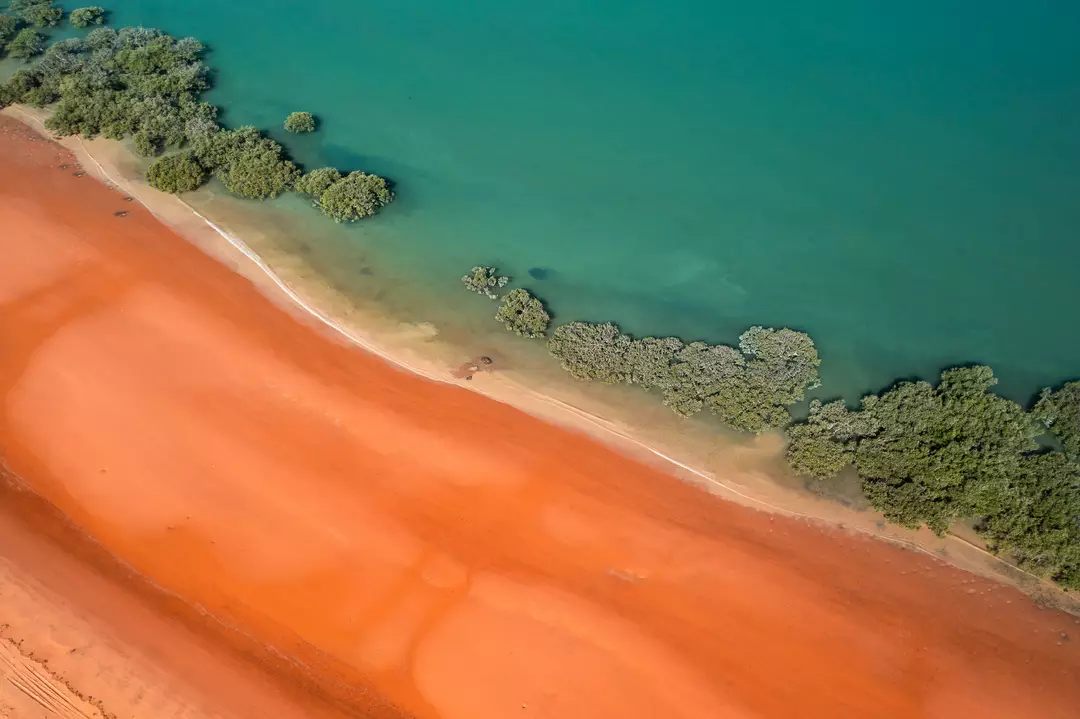
Chile is frequently mentioned for a mix of geography and resources.
Its long coastline, access to diverse climates, and strong natural-resource base are seen as advantages if global trade and travel were severely disrupted.
Fiji is another remote Pacific option, often compared to Antarctica in terms of distance from major strategic targets.
It sits roughly 2,700 miles from Australia and has forests and natural resources that could help with resilience, while its isolation may reduce attention from hostile states.
South Africa also appears on lists of potential safe destinations, largely due to its agricultural capacity, access to freshwater, and the ability to produce food domestically.
And, compared with many regions, it isn’t typically viewed as a central player in international wars—something that could, in theory, reduce the risk of becoming a priority target.