

Protecting your valuables while traveling overseas is essential if you want your time away to stay relaxing, rather than turning into a nightmare.
Frequent flyers have long relied on a mix of tactics to deter luggage theft, from suitcases marketed as “extra secure” to compact GPS trackers that help you keep tabs on your belongings.
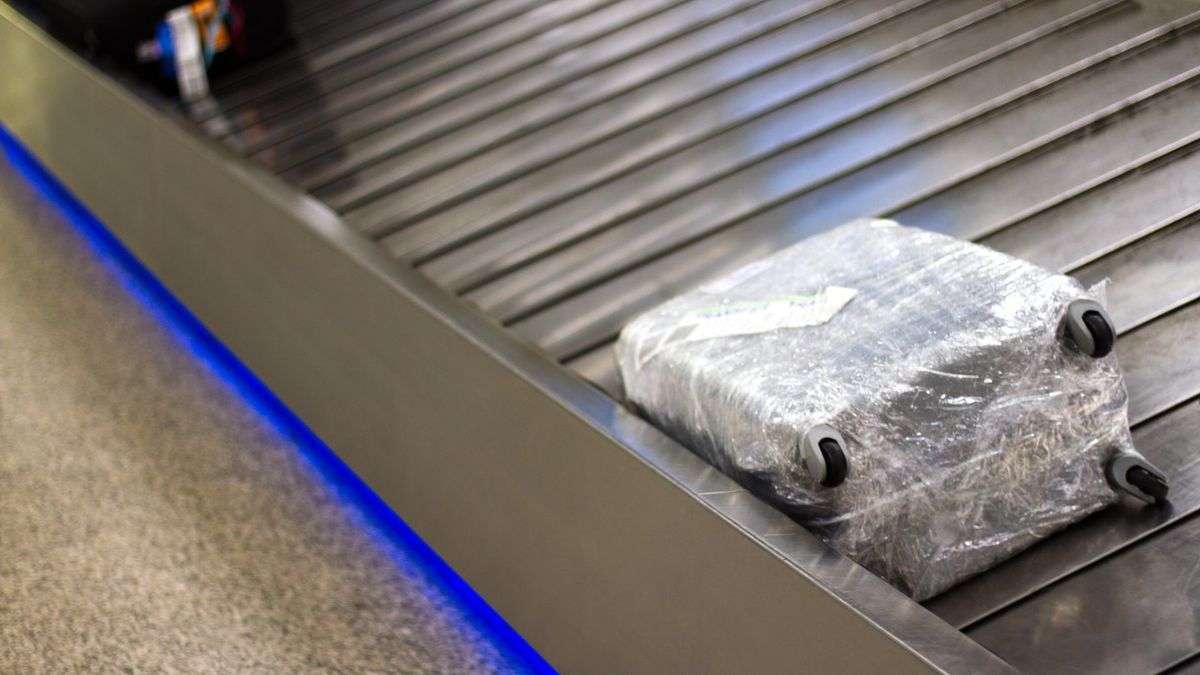
One security measure commonly spotted in airports worldwide is passengers wrapping their cases in layers of plastic film, with many terminals even offering the service to anxious travelers before they head to check-in.
However, Ed Burnett — a former US Army military police officer who later worked as a UPS security adviser — says this popular approach can backfire, potentially drawing the wrong kind of attention.
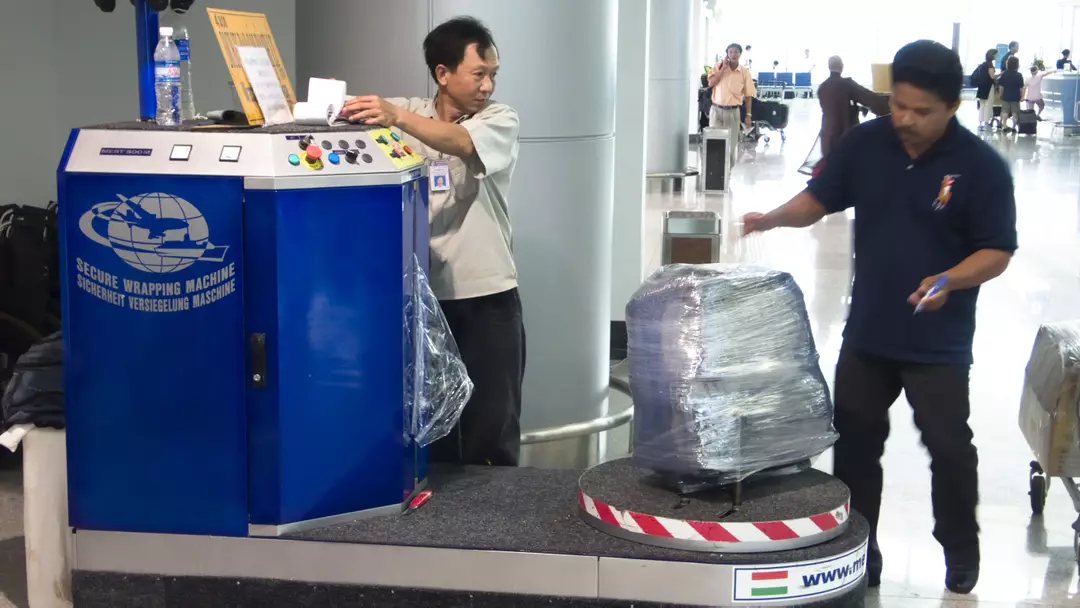
Burnett actually recommends skipping suitcase wrapping altogether. While it can feel reassuring, he argues that it can prevent you from quickly spotting interference with your bag until after the damage is done.
Speaking to the Independent, the security expert said: “While it protects against scratches and prevents planting drugs, it screams ‘I have something expensive in here.’
“It also makes it impossible for you to quickly check your belongings if you suspect tampering.”
Instead, Burnett says the safest approach is keeping your true essentials — such as your phone, passport and other documents, jewelry, medication, and most of your spending money — in your carry-on, and making sure it stays with you.
The veteran security consultant added: He advised: “Keep all ‘must-haves’ such as jewelry, electronics and meds in your personal carry-on that never leaves your sight.
“If you must put valuables in checked luggage, use a ‘diversion safe’ — an empty sunscreen bottle or a laundry bag.
“And take care with electric toothbrushes and high-end chargers. They have high resale value and are often overlooked by travelers until they are gone.”
He also warns that plastic wrapping isn’t the only thing that can make you stand out. The bag you choose can signal to thieves whether you’re likely carrying items worth stealing.
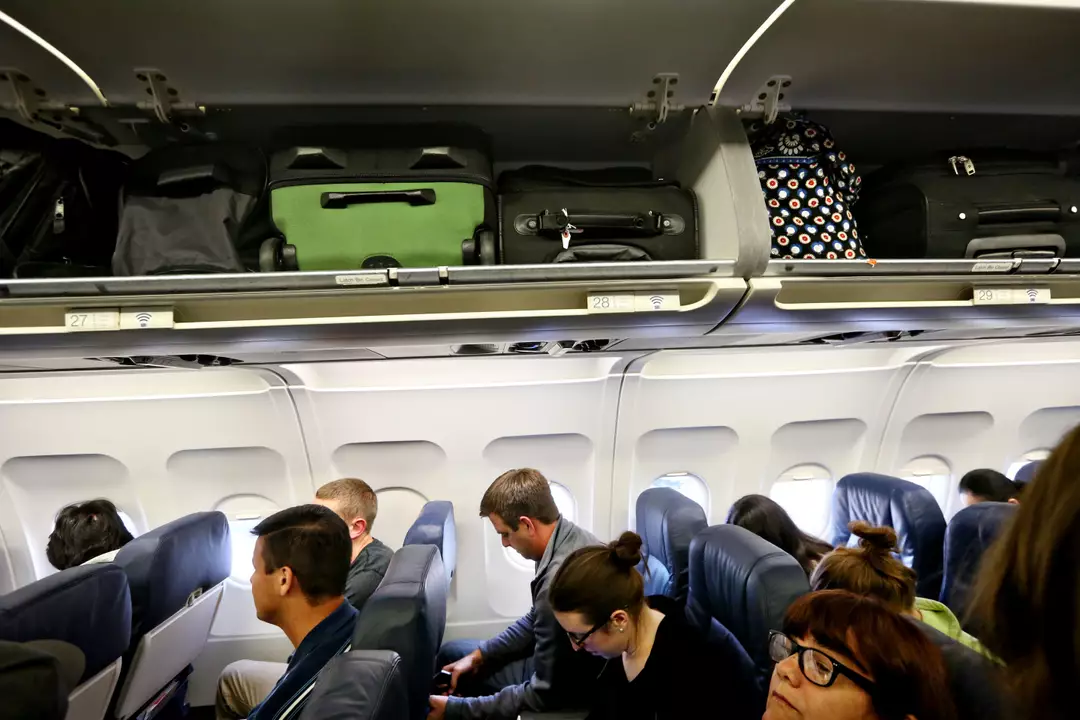
He added: “High-end brands — such as Tumi, Rimowa, Louis Vuitton — are magnets. They signal that the contents are likely as expensive as the bag.”
Soft-sided suitcases and fabric luggage are also easier to break into, since a thief can slice the material and access the contents quickly.
For that reason, a sturdy hard-shell suitcase with minimal or no visible branding can be a smarter choice — even if it means leaving the designer labels at home.
That said, Burnett notes that standard precautions still matter. Locks, seals like zip ties, and tracking devices can all play a role in reducing risk and improving your chances of recovering items if the worst happens.
Security expert Burnett explained: “Locks deter opportunistic theft — someone trying to unzip your bag quickly. But many soft-shell suitcases use coil zippers, which can be opened with a ballpoint pen in seconds [bypassing the lock entirely].
“Cable tiles and zip clips don’t stop a thief either, but they do act as a seal. A thief knows they can’t relock a snapped cable tie, meaning you will notice the theft immediately. Most thieves want to steal without you knowing until you get to your hotel.”
He told the Independent: “AirTags and other trackers do nothing to deter theft — unless the thief sees the ‘item found’ alert on their own iPhone — but they are essential for recovery.”
Finally, he stresses that trackers should be concealed if you use them, since a visible device may simply be discarded.
But if you do use them, be discreet. He added: “Keep them hidden. Sew them into the lining or hide them inside a sock. If a thief finds a tracker, they will toss it immediately.
“And most ‘GPS-tracked’ stickers are ignored, or seen as a challenge. In addition, labels like ‘fragile’ or ‘camera equipment’ are active invitations for theft. Never label what’s inside.”