

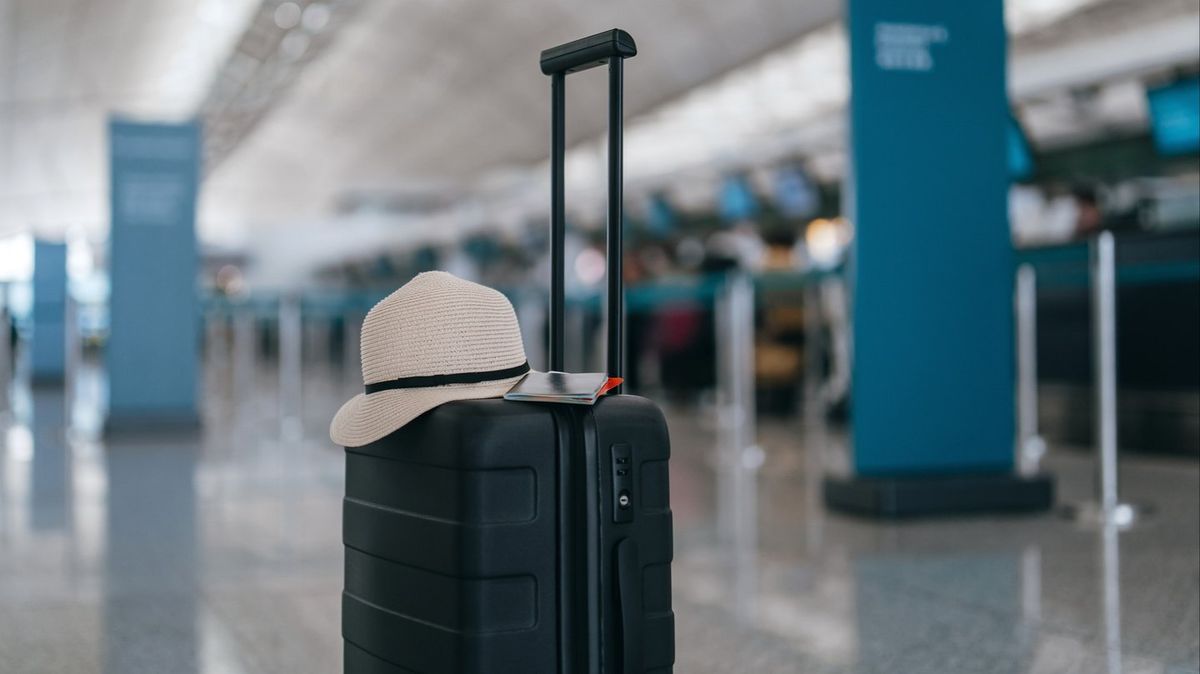
A security expert has outlined why opting for black or other dark-colored suitcases may not be the best idea, even though they’re among the most popular choices for travelers.
Dark luggage does come with some clear advantages. For one, it tends to look newer for longer because scuffs and scratches are less noticeable than they are on lighter shades.
It can also disguise dirt more effectively and, for work trips, a darker case often looks more polished and business-appropriate.
UK Luggage also points to another potential benefit: how dark luggage can be perceived.
“Dark luggage gives off a sense of reliability, stability, and sophistication. It’s often associated with practicality and no-nonsense travel,” it claims.
But while some travelers like to take designer luggage on holiday, former US Army military policeman and UPS security expert Ed Burnett has warned that this can make you stand out for the wrong reasons.
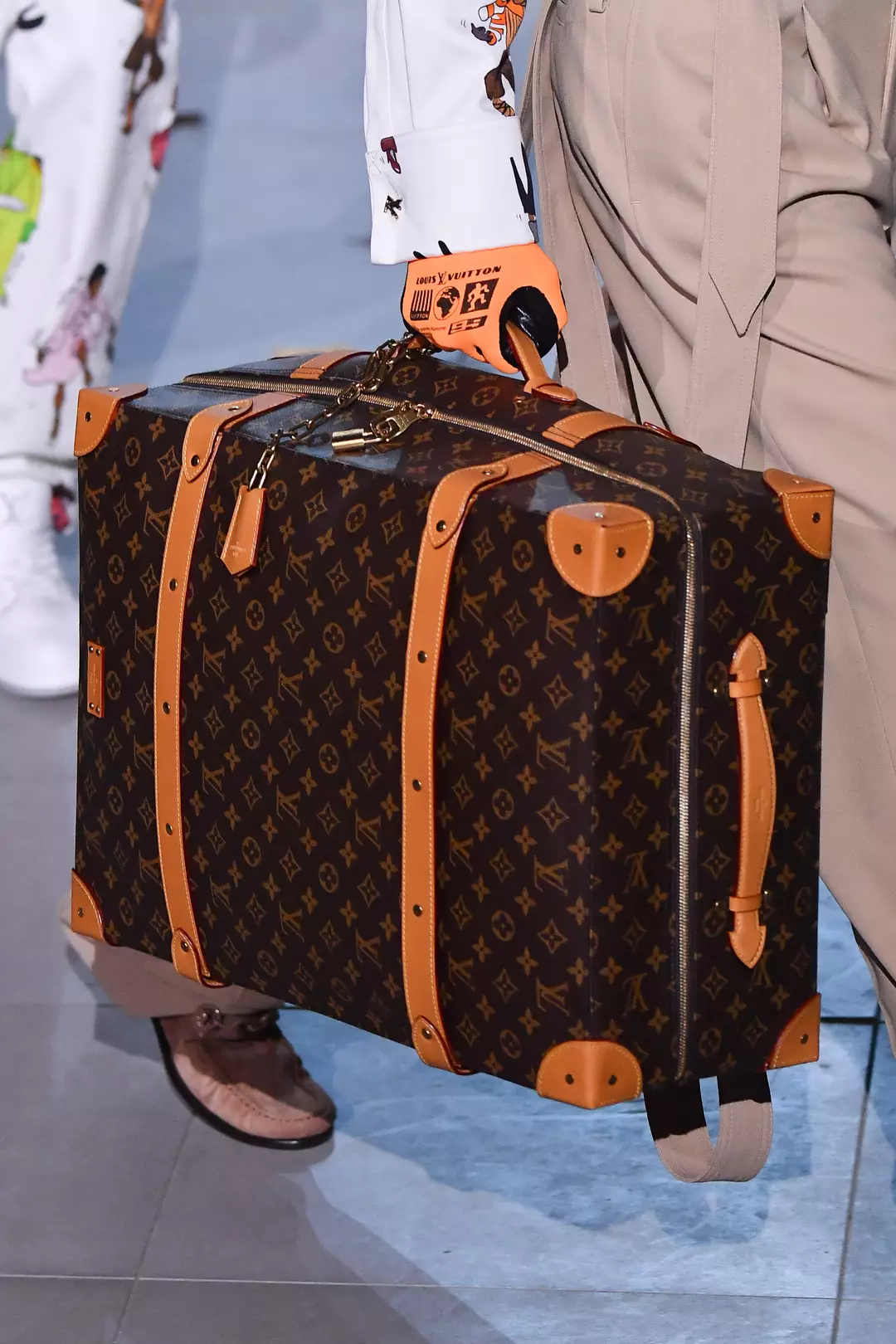
Speaking to The Independent, he explained: “High-end brands — such as Tumi, Rimowa, Louis Vuitton — are magnets. They signal that the contents are likely as expensive as the bag.”
He also suggested swapping the usual black or navy suitcase for something more eye-catching.
“Bright colors are a deterrent. Thieves prefer anonymous black or navy bags because they can walk away with them without standing out,” he said.
Burnett added that a distinctive case is harder for someone to steal without attracting attention, using a vivid example to underline the point.
“A neon green bag, for example, is a liability for a thief. If you yell, ‘Stop that man with the green bag,’ everyone sees him.”
Color isn’t the only factor that can influence how vulnerable your bag is. Burnett also noted that soft-shell suitcases can be easier to break into quickly.
Ed shared: “Soft shell bags can be ‘shived’ — where a thief uses a box cutter to slice the fabric and reach in.”
Because of that, he said hard-shell luggage is “significantly safer,” as it’s tougher to cut open. Any attempt to force entry is also more likely to be loud and draw unwanted attention.
Another common travel habit experts often caution against is plastic-wrapping suitcases, even though some people assume it adds protection. In some airports, travelers pay up to $20 to have their bags wrapped.
The Transportation Security Administration (TSA) has previously addressed the trend, explaining that wrapping doesn’t prevent a suitcase from being selected for screening or flagged for inspection.
If officers need to check what’s inside, they can simply cut through the wrap to access the bag—meaning the money spent (and the effort) may not provide any real benefit.