

—
A key piece of legislation to overhaul college athletics is advancing through Congress with optimism from its chief sponsors about securing the votes needed to clear the Senate, setting up a potential showdown with opponents who say the bill goes too far or not far enough.
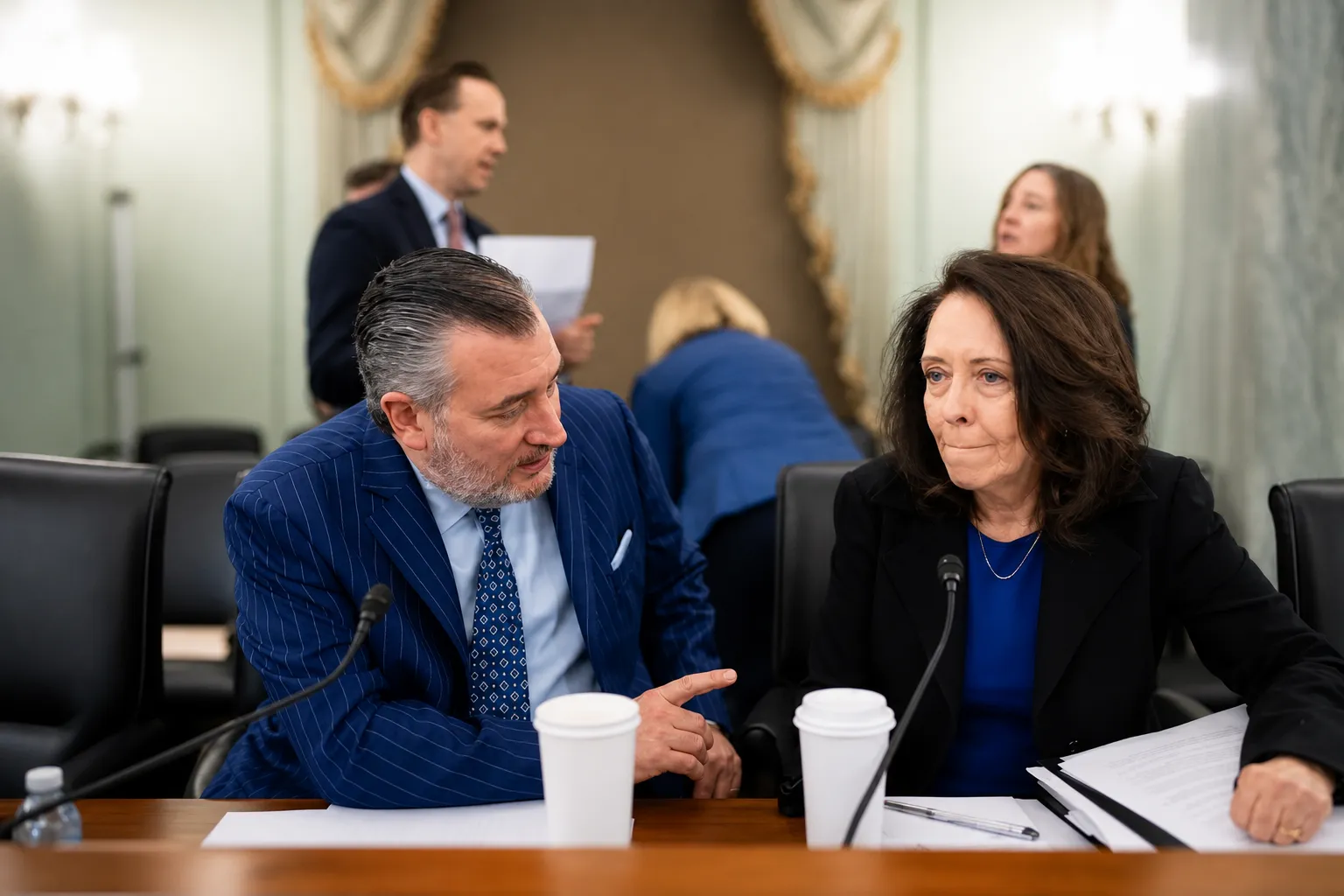
The Protect College Sports Act, a bipartisan measure shepherded by Senators Ted Cruz of Texas and Maria Cantwell of Washington, cleared the Senate Commerce Committee in June with strong support on a 19-9 vote. The bill now heads toward a full Senate floor vote, where sponsors believe it has the momentum to reach the 60 votes required for passage in the chamber controlled by 53 Republicans.
“My objective from the beginning was not simply to squeak by with just 60 votes, but to have a bigger bipartisan vote than that,” Cruz said. “I think this committee vote argues well for a strong vote on the floor.”
The legislation would create the first comprehensive federal framework for college athletics, establishing nationwide standards for athlete compensation, transfers, eligibility and coaching changes. Specifically, it would codify athletes’ rights to earn name, image and likeness compensation, limit players to one transfer without losing eligibility, and prevent football coaches from changing jobs mid-season. The measure would also prevent major colleges from cutting women’s and Olympic sports programs.
The bill grants the NCAA limited antitrust protections long sought by the college sports establishment, while including provisions that backers say will help fund less profitable sports and generate additional revenue. A key provision allows schools to voluntarily pool their media rights and collectively negotiate television deals, similar to the NFL model. Proponents estimate this could generate between $4 billion and $8 billion in additional revenue for college athletics.
The measure also requires agents to register with states and caps their fees at 5 percent of endorsement contracts. It creates an independent student-athlete ombudsman position at the NCAA and establishes a $60 million trust fund to help schools with financial need provide medical coverage for injured athletes.
Support for the bill has been substantial. As of mid-July, 24 collegiate athletic conferences representing 280 colleges and universities across 49 states have publicly backed the legislation. Major professional sports leagues including the NFL, NBA, MLB and the U.S. Olympic and Paralympic Committee have endorsed it. The NCAA also threw its support behind the measure.
Despite this backing, the bill faces significant opposition from the two most powerful conferences in college sports. The Southeastern Conference and Big Ten Conference released a joint statement saying “revisions are needed” to secure their support, expressing concerns about provisions related to media rights pooling and governance structures. Some senators representing states with schools in those conferences, including Roger Wicker of Mississippi and Todd Young of Indiana, voted against the bill in committee.
Senate Majority Leader John Thune signaled his intent to bring the bill to the floor for a vote, with Cruz indicating he expected that to happen in July. However, lawmakers are operating on a tight timeline. The Senate’s scheduled summer recess runs from August 10 through September 11, providing a narrow window to move the legislation. Cruz has expressed his desire to have the bill signed into law before the fall academic and athletic seasons begin.
The bill has also drawn scrutiny from some Democrats concerned about whether it adequately protects student-athlete labor rights. Some Republicans, including Senator Tommy Tuberville of Alabama, a former college football coach, have argued the measure overregulates college sports. Other opponents worry about potential unintended consequences.
Cantwell has dismissed concerns from the largest conferences, saying the legislation should not be dictated by the wealthiest athletic programs. “What we did today is say we are not going to let the most powerful and richest conferences dictate to the rest of America what’s going to happen to 500,000 athletes,” she said after the committee vote.
If the bill passes the Senate, it still faces an uncertain future in the House. A competing measure in the House called the SCORE Act advanced through committee but never reached the floor for a vote after opposition from GOP hard-liners and civil rights groups. House Republican leaders have expressed concerns about various aspects of college sports legislation, and significant disagreements remain about the employment status of college athletes.
Cruz and Cantwell have framed the current bill as the industry’s best chance at federal legislation after years of failed attempts. Cruz has called it the “only train leaving the station,” arguing that without Congress acting now, college athletics will continue to suffer from chaos and uncertainty as state laws create a patchwork regulatory system.
The legislation represents months of negotiations between the bipartisan group of senators and compromises with stakeholders across college sports. Earlier versions went through multiple revisions, including strengthening protections for women’s and Olympic sports after the U.S. Olympic and Paralympic Committee expressed concerns about the initial proposal.