

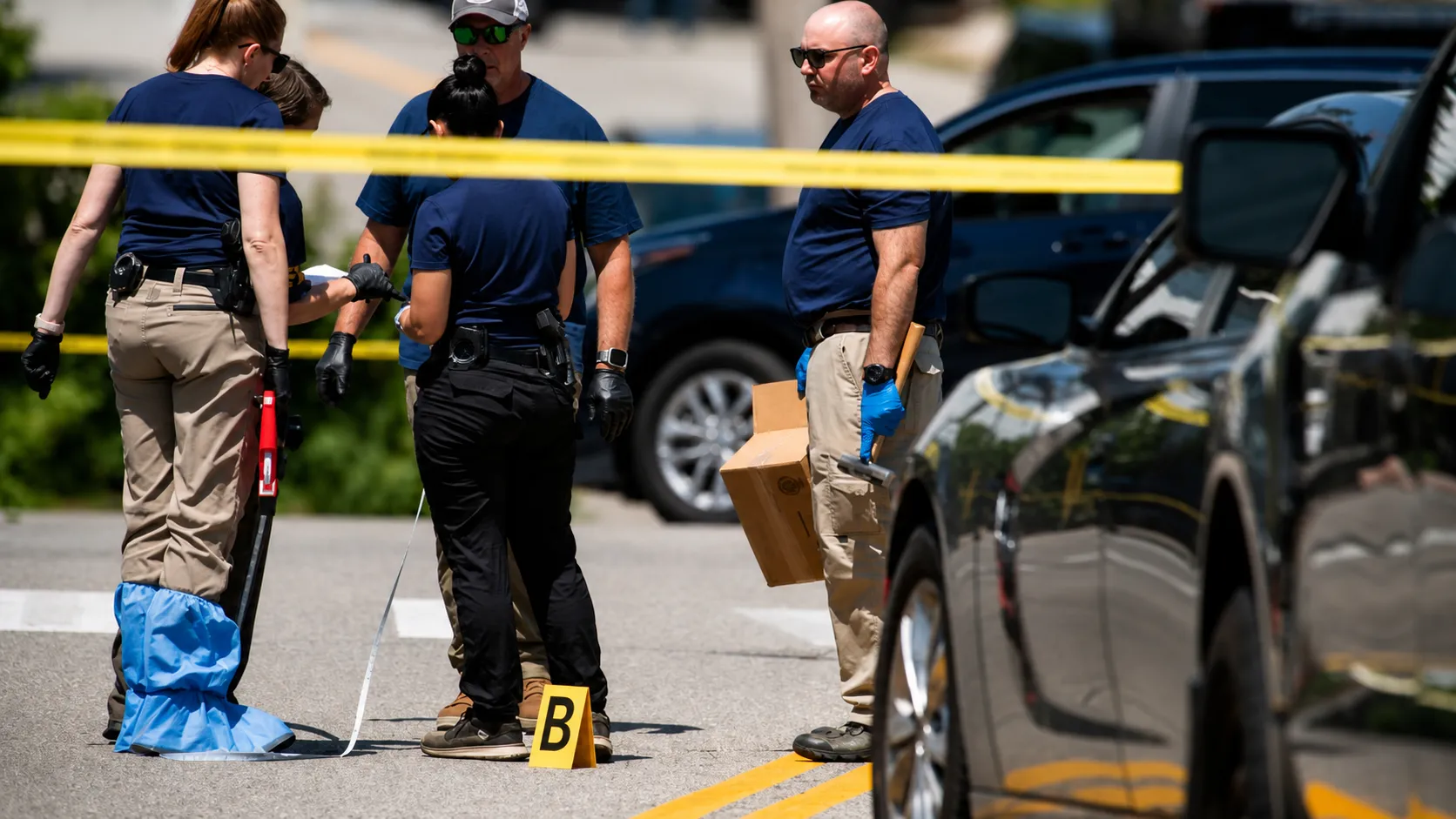
Nearly four decades of Democratic senators joined Maine Independent Senator Angus King in demanding that the Department of Homeland Security implement immediate reforms to Immigration and Customs Enforcement after two fatal shootings within seven days left two men dead and sparked widespread criticism of the agency’s tactics and accountability measures.
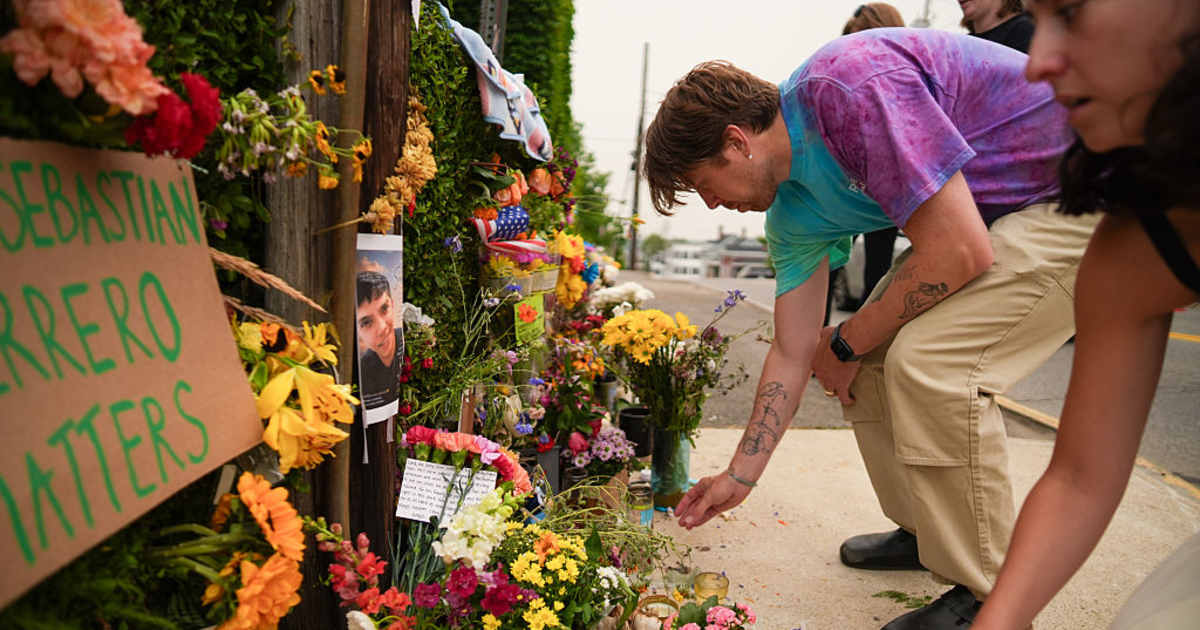
The deaths of Lorenzo Salgado Araujo, 52, in Houston on July 7 and 25-year-old Joan Sebastian Durán Guerrero in Biddeford, Maine, on July 13 share a troubling pattern that has alarmed lawmakers and immigrant advocates nationwide. In both cases, neither man was the intended target of ICE’s enforcement operations. In both cases, the federal agents who fired the deadly shots were not wearing body cameras. And in both cases, DHS quickly issued statements claiming officers acted in self-defense, only to later revise their accounts.
The 39 senators, who signed the letter sent to DHS Secretary Markwayne Mullin on July 20, called the shootings “completely unacceptable” and said they “endanger our citizens and seriously undermine confidence in law enforcement generally.” They demanded that DHS fulfill previous commitments to deploy mandatory body cameras for ICE agents, implement stricter identification requirements, and review enforcement protocols. The lawmakers also insisted that any investigations into the shootings be conducted with full involvement from state and local law enforcement rather than by federal agencies investigating themselves.
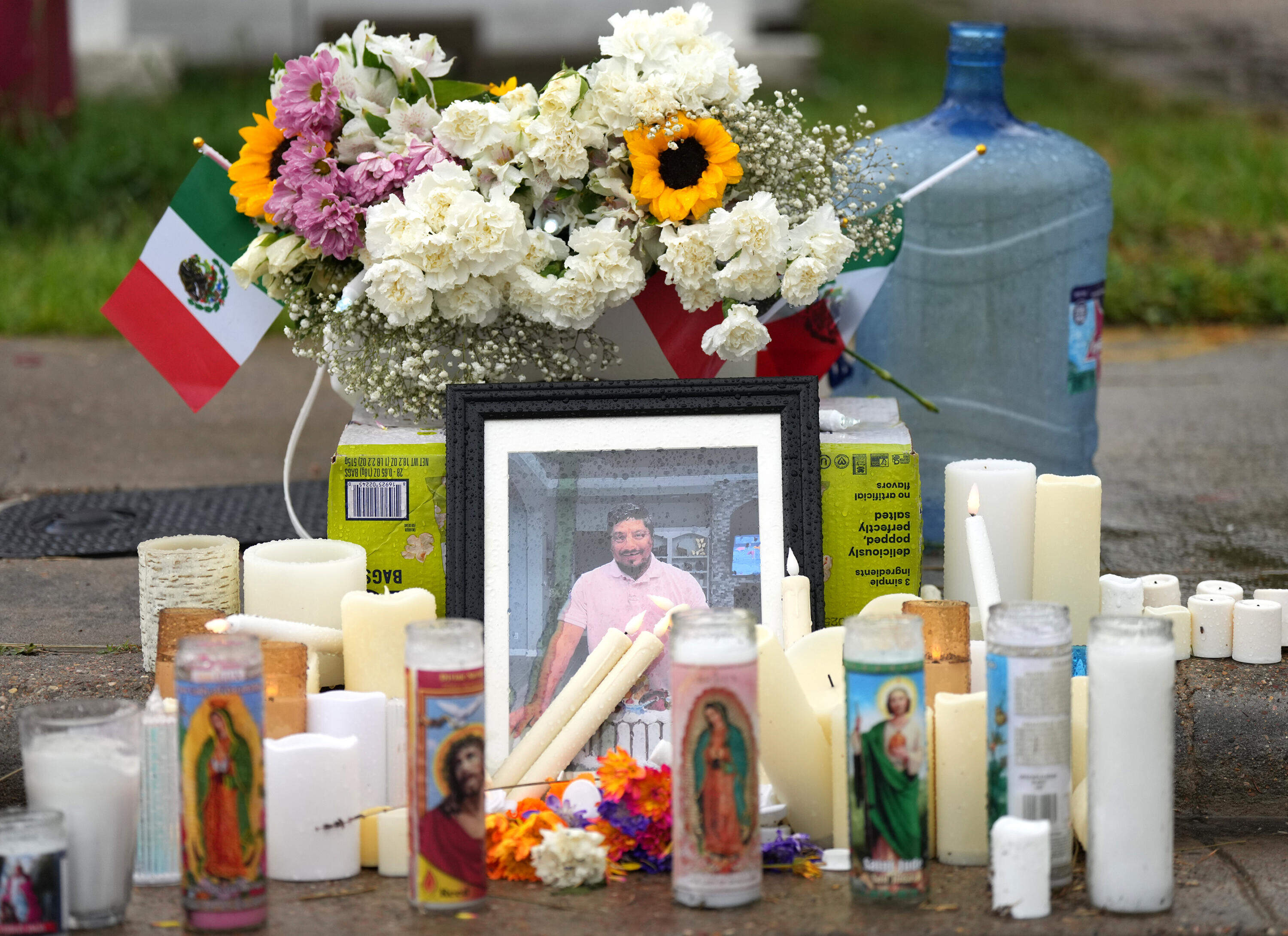
Salgado Araujo was driving a work van in Houston with three members of his construction crew on the way to a job site when ICE agents attempted a traffic stop as part of what they called a targeted enforcement operation. The agency claimed Salgado Araujo attempted to evade arrest and rammed into an ICE vehicle, prompting an officer to shoot in self-defense. But his family disputed this account, saying that if Salgado Araujo had known the occupants of the unmarked vehicles were federal law enforcement, he would have complied. His son Ronaldo Salgado said his father had lived and worked in the country for 35 years and was very close to obtaining legal status.
A witness recorded video of the aftermath showing Salgado Araujo bleeding and groaning on the ground. Harris County District Attorney’s office has said it does not believe white crystal-like substances found in the vehicle were drugs, contradicting an initial FBI warrant application. Salgado Araujo’s family and attorney have said the substance was likely salt used to make an electrolyte drink by outdoor workers in extreme heat.
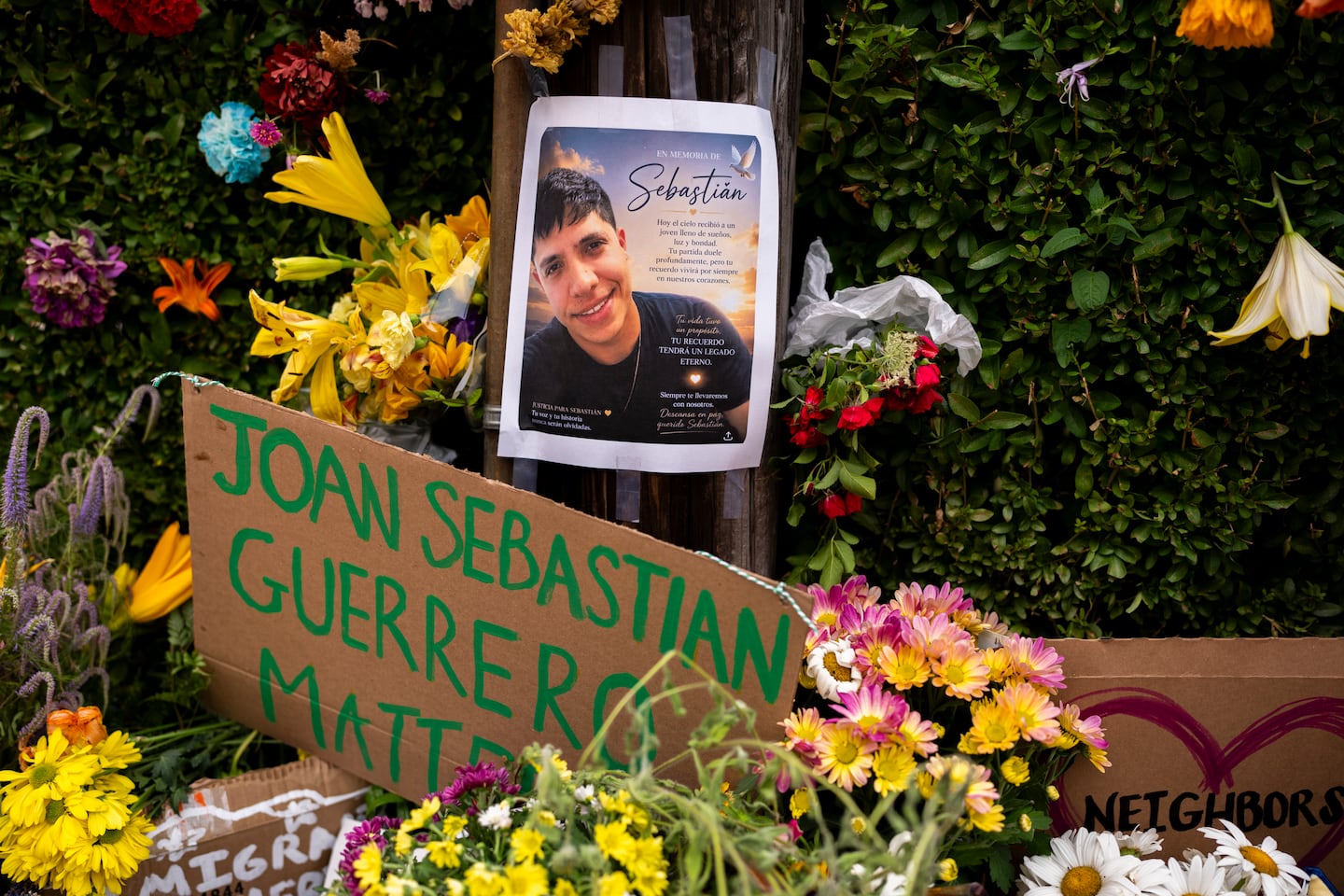
Durán Guerrero, a 25-year-old Colombian immigrant, was shot during a morning incident in Biddeford as he was getting into or driving a vehicle. DHS initially said he was the target of an immigration enforcement warrant but later acknowledged he was not. The agency said the officer fired his weapon while “fearing for public safety” as Durán Guerrero “attempted to flee the scene,” but provided no details about what specifically made the officer believe he posed a threat. A neighbor who witnessed the shooting said he heard several gunshots and found Durán Guerrero’s wife screaming beside his body. Durán Guerrero had been authorized to work in the United States and held a Social Security number.
The lack of body cameras in both incidents underscores a significant failure by the Department of Homeland Security. Congress allocated $20 million in April 2026 for procurement and deployment of body-worn cameras for immigration enforcement officers. The Trump administration has repeatedly pledged to expand body camera use across ICE, yet implementation has been sluggish. DHS blamed the government shutdown for delays in awarding contracts, but senators noted that since July 2025, DHS received nearly $40 billion in funding that could have been used to acquire cameras more swiftly.
Maine Senators King and Susan Collins, both of whom have pushed for mandated body cameras, said the agency cannot be allowed to investigate itself. Collins noted in her own communications with Mullin that she had worked to secure the funding for cameras and urged expedited deployment. King stated bluntly that ICE “should be following the same regulations and processes of police forces in New York or Miami or Denver or Portland, Maine.”
The shootings come amid a broader pattern of deadly force by federal immigration agents. The deaths in Houston and Maine represent at least the ninth incident linked to federal immigration enforcement since President Donald Trump intensified his immigration crackdown, though not every death occurred during an ICE operation. Earlier this year, ICE agents fatally shot two U.S. Citizens in Minneapolis in January—Alex Pretti and Renee Good. In another case last year, an ICE officer killed 23-year-old Ruben Ray Martinez, also a U.S. Citizen, during a traffic encounter in South Padre Island after claiming he tried to run over an agent, though video footage appeared to contradict that account.
Democratic lawmakers have questioned whether quota pressures for arrests are driving agents to escalate force unnecessarily. Congressional Hispanic Caucus Chair Adriano Espaillat called the situation “a failure of leadership to allow ICE to continue to go on a rampage, a killing spree.” Some House Democrats have suggested the agency should be disbanded entirely.
In response to the outcry, the Department of Homeland Security announced two changes to ICE operations on July 15. The agency said it is pausing most traffic stops and moving to expand body camera use, with plans to equip each arrest team with at least one officer wearing a body camera. However, critics say these measures fall far short of what is needed. The senators’ letter pressed DHS on multiple questions about its plans for independent investigations, updates to pursuit and traffic stop policies, and additional oversight measures beyond body cameras.
The families of both men have demanded justice and called for independent, transparent investigations free from federal agency interference. Community organizations in Maine and Texas have organized protests and memorials. In Houston, more than 30 community and labor organizations held an emergency protest demanding accountability. The Mexican and Colombian governments have become involved, with Colombia’s President describing the shooting as a murder and Mexico’s consulate seeking humanitarian parole for detained witnesses to attend Salgado Araujo’s funeral.