

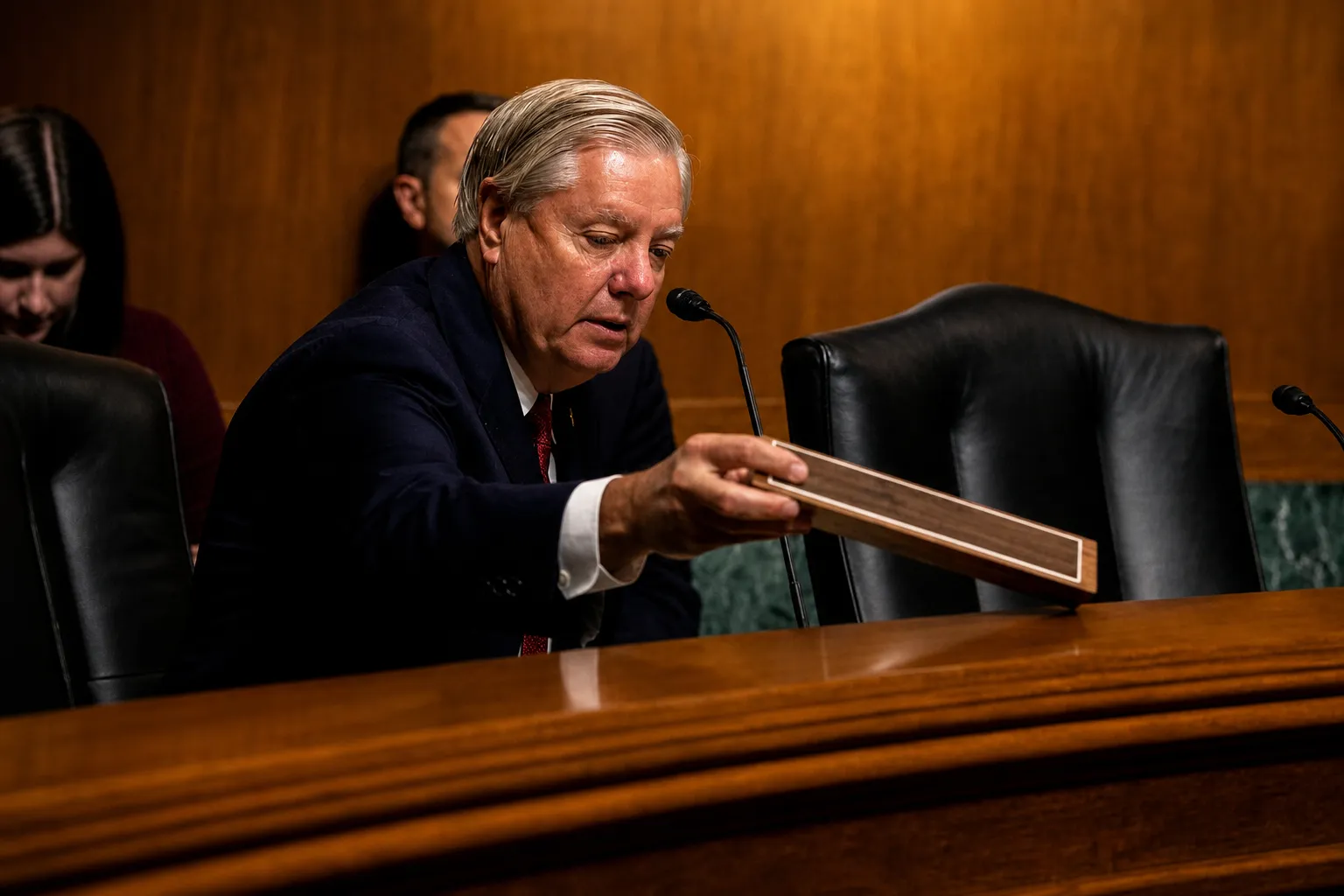
Senators from both parties are rallying behind a bipartisan Russia sanctions bill Tuesday, offering it as a tribute to the late Sen. Lindsey Graham following his sudden death over the weekend.
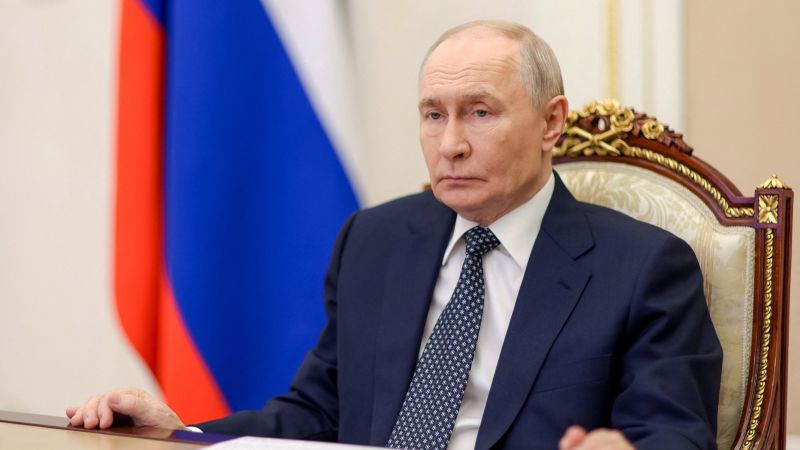
The sweeping legislation, unveiled on the Senate floor Tuesday afternoon, represents the culmination of more than a year of negotiations and work by Graham and Democratic colleagues. The South Carolina Republican died Saturday night at age 71, just hours after returning from a trip to Ukraine where he had announced a major breakthrough with the White House on the stalled measure.
The bill, formally titled the Sanctioning Russia Act of 2026, aims to pressure Russian President Vladimir Putin and starve his war machine of revenue by imposing steep tariffs and sanctions on purchasers of Russian oil and natural gas. It includes sanctions on Russian political and military leaders, oligarchs, state-owned enterprises, and foreign companies that support Russia’s defense industrial base.
“When Senator Graham and I last spoke, he was absolutely exultant, calling from Kyiv with news that President Trump would support this bill to impose scorching tariffs and sanctions on purchasers of Russian oil and stop them from fueling Putin’s war machine,” said Senator Richard Blumenthal of Connecticut, one of the bill’s key backers. The two had last spoken hours before Graham’s death.
The revised legislation reflects compromises Graham negotiated with the Trump administration in recent days. The tariff rate on major purchasers of Russian oil and gas has been reduced from the original proposal of 500 percent to 100 percent. The bill gives the president waiver authority while requiring the administration to certify any such waivers to Congress. The final measure narrowly applies the tariffs to the world’s top five purchasers of Russian oil or natural gas, primarily China and India, according to a summary.
Graham announced Friday, just one day before his death, that he and colleagues had reached agreement with the Trump administration to move the legislation forward. He told reporters in Ukraine that “it means it’s going to become law,” emphasizing the significance of winning White House support after months of the administration resisting the bill.
The measure had stalled in Congress for more than a year since Graham and Blumenthal first introduced it in April 2025. The White House had repeatedly held back the legislation, with President Trump and his advisers concerned that imposing sanctions would constrain their efforts to negotiate a peace deal between Russia and Ukraine. Senate Majority Leader John Thune had also argued that advancing the bill could harm the president’s negotiating hand.
But as Trump’s peace efforts proved unsuccessful and Russian attacks intensified, the political calculus shifted. Graham worked intensively on the compromise, including meeting with Treasury Secretary Scott Bessent in Ankara, Turkey, last week. The revised text had been finalized before Graham visited Ukrainian President Volodymyr Zelenskyy in Kyiv on Friday.
The revised bill now has 26 cosponsors equally divided between Democrats and Republicans, with aides saying the number is growing. Senate Majority Leader John Thune called passing the updated sanctions bill “would be a great tribute to the legacy of Lindsey.” Senate Minority Leader Chuck Schumer added that he urges Thune to “put the Russia sanctions bill on the floor immediately” in honor of Graham, saying “it will pass overwhelmingly and help our allies in Ukraine.”
Several other Republicans praised the legislation as fitting tribute to Graham’s life’s work. Senator Katie Britt of Alabama, a cosponsor, said she spoke with Graham Saturday night when “he was so excited about getting the White House on board with the Russian sanctions bill,” adding that “he said that it was going to be the most consequential thing that he has accomplished in his long and storied career.”
President Trump on Tuesday said the bill had “a good chance” of passing, though he suggested additional measures targeting Iran and Hezbollah could be added. Senate aides noted the legislation already contains secondary sanctions and tariffs that would impact Iran.
While senators and administration officials have expressed hope the bill can move quickly, it remains unclear exactly when a vote will occur. The legislation must navigate relevant Senate committees first, and lawmakers continue to assess the final text.
Meanwhile, the machinery for replacing Graham moved swiftly. His sister, Darline Graham Nordone, was sworn in Tuesday on the Senate floor to serve out the remainder of his term, which expires in January 2027. She becomes the first woman to represent South Carolina in the Senate. South Carolina Governor Henry McMaster appointed her to the position Monday, at the recommendation of President Trump.
Graham, who never married, had become his younger sister’s legal guardian decades ago after their parents died when she was 13. The siblings remained close throughout their lives. “Lindsey has always been there for me, and now I will be there for him,” Darline Graham said after her appointment, describing it as a “privilege to get to finish some of his important work.”
Preliminary findings from the Washington, D.C., medical examiner indicated Graham died from an aortic dissection due to arteriosclerotic cardiovascular disease, or a rupture of his aorta resulting from hardening of his arteries. He had been in good spirits during his recent travels and showed no signs of illness before his sudden death.
Graham was first elected to the Senate in 2002 and had served 24 years. His colleagues, across the aisle, paid tribute to his passion for foreign policy and his relentless advocacy on behalf of Ukraine and other global causes close to his heart.