

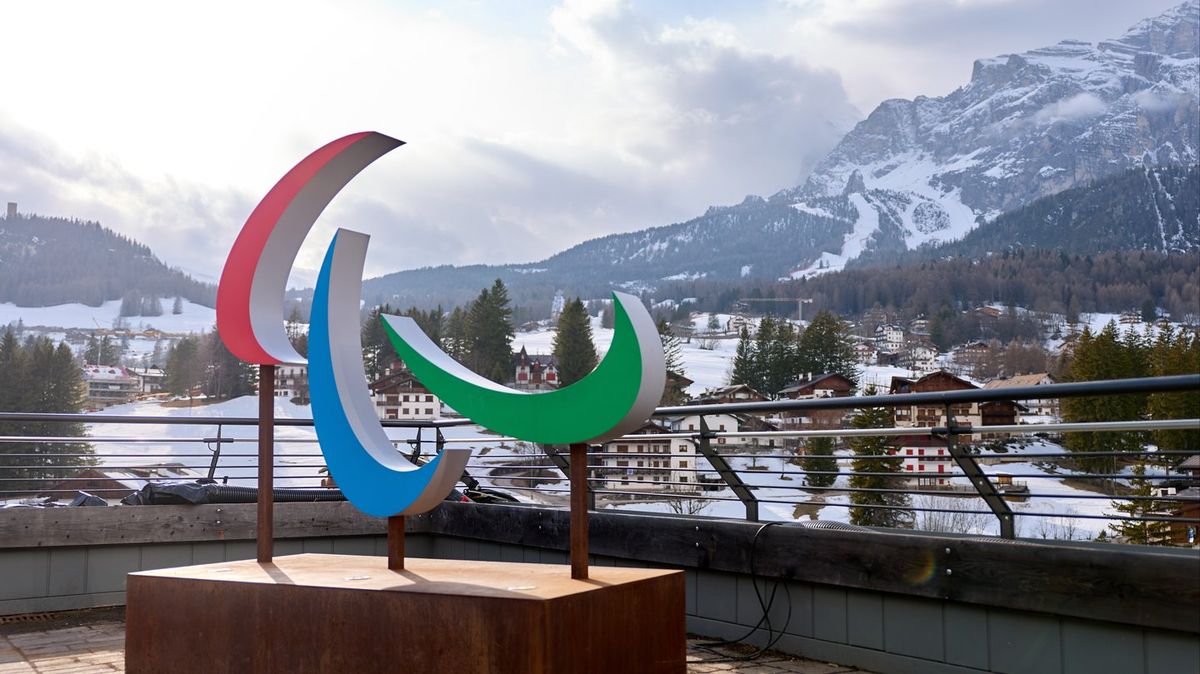
The Milan-Cortina Winter Paralympics begin later today with an opening ceremony expected to be packed with spectacle, but audiences will quickly realise several familiar delegations won’t be there.
Seven nations are skipping the opening night at Verona’s 2,000-year-old Arena di Verona, where organisers say the ceremony will highlight ‘social and cultural change through artistic expression’ and the ‘promotion of universal values such as inclusion, resilience, respect, solidarity, and passion for sport.’
Athletes and government representatives from the Czech Republic, Estonia, Finland, Latvia, Lithuania, Poland and Ukraine are staying away in protest at a decision by the International Paralympic Committee (IPC).
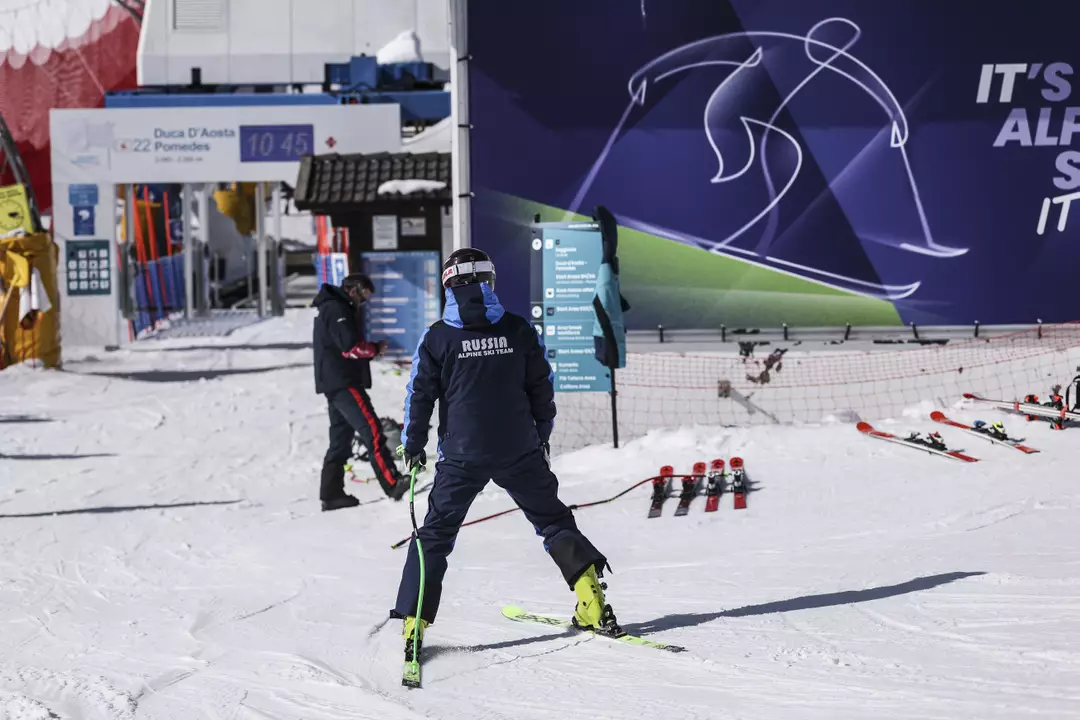
The IPC has decided that six Russian competitors and four from Belarus will be allowed to take part under their own national flags at this year’s Paralympics. That differs from last month’s Winter Olympics, where Russian and Belarusian athletes were required to compete as neutral participants.
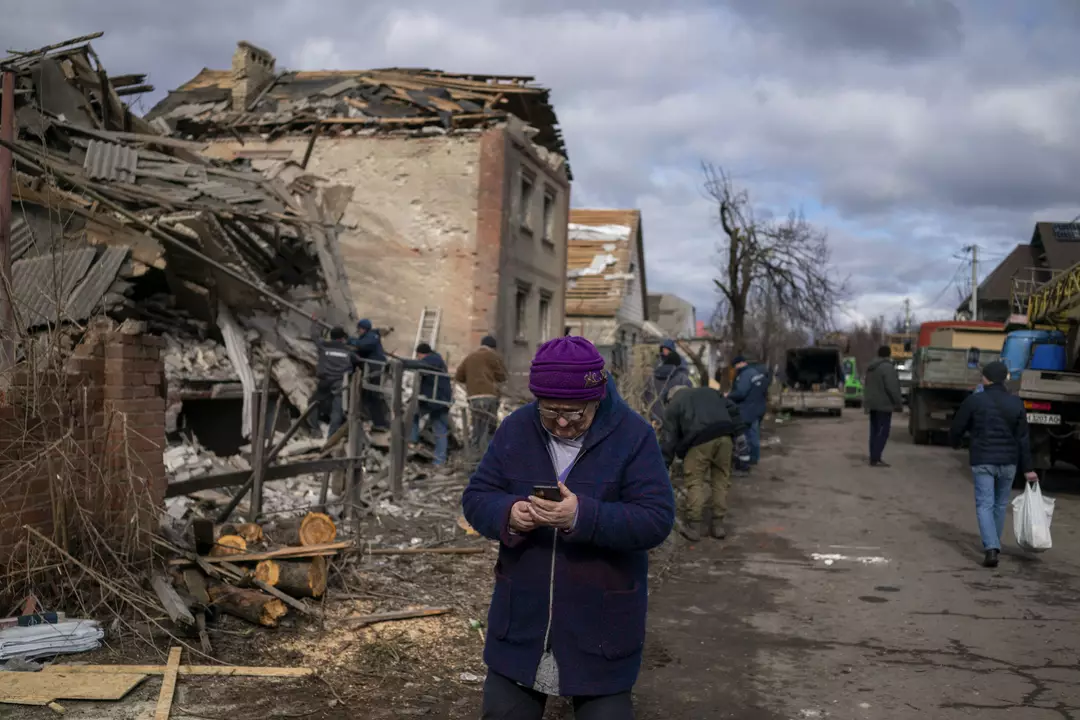
The boycott comes as Russian and Belarusian forces continue occupying Ukrainian territory, with attacks since the Kremlin’s 2022 escalation reportedly leaving more than 56,000 civilians dead.
Some other countries, including the UK, are also not expected to send athletes to the opening ceremony, though they have not explicitly linked that decision to Russia being allowed to participate.
As a result, fewer than 60 percent of participating nations are thought to be sending their usual opening-ceremony contingent of athletes and officials.
Team GB has nevertheless criticised the IPC for permitting athletes to compete under the Russian flag at a Winter Paralympics for the first time since Russia’s seizure of Crimea in 2014 and the outbreak of conflict in the Donbas.
A UK Government spokesperson said: “We have been clear that the Russian and Belarusian states should not be represented in international sport while the barbaric full-scale invasion of Ukraine is ongoing.”
IPC President Andrew Parsons said the organisation’s priority remains staging the Winter Games and pursuing ‘social change for the world’s 1.3 billion persons with disability’.
He added: “I acknowledge this decision has not been well received in some parts of the world. But I want to stress that the IPC is a democratic global organisation whose decisions on member suspension are determined by its members.”
Parsons said the decision followed the same member-voting process used ahead of each Summer and Winter Games, noting: “Last September was the third time the general assembly voted on this topic. In 2022, [the result was] full suspension. In 2023, partial suspension, 2025, no suspension.”
He added: “We cannot pick and choose when to be democratic.”
Parsons also urged attention to remain on what he described as the Paralympics’ wider purpose, saying: “This is the only event of global reach that puts persons with disabilities centre stage is the Paralympic Games.
“So this is an important message to the world that if given opportunities, if we remove the barriers, persons with disability can do whatever they want. The games are important to send that message.”