

A drug-resistant strain of shigella bacteria that spreads through sexual contact has surged from zero percent of cases to 8.5 percent in just over a decade, according to new federal data.
Research published in April by the CDC tracked the near-untreatable variant’s climb from 2011 to 2023, deepening alarm among public health officials already tracking a faster rise in sexually transmitted infections than those spread by food, travel, or childcare settings. A study published in July found that sexual transmission of shigella grew 15 percent faster year-over-year between 2015 and 2020 compared to other routes.

Kate Baker, a Cambridge geneticist who led the July study, warned that men who have sex with men face a disproportionate and often unrecognized threat. “This disease has gone from being relatively treatable with off-the-shelf drugs to being close to untreatable over the course of the last decade or so,” she said. Baker added that these men “are unaware of the serious and increasing risk posed by sexually transmitted shigella.”
HIV Prevention England has echoed that focus, identifying gay, bisexual, and other men who have sex with men as particularly vulnerable to drug-resistant strains. The group outlined multiple sexual transmission pathways: anal sex, handling condoms or sex toys used for anal sex, oral sex after anal sex, direct contact with someone’s bum, and rimming.
The bacteria spreads when infected fecal particles enter the mouth, whether through contaminated food, sexual activity, or contact with someone who has not washed their hands properly. As few as 10 organisms can cause infection, and carriers remain contagious for up to a month.
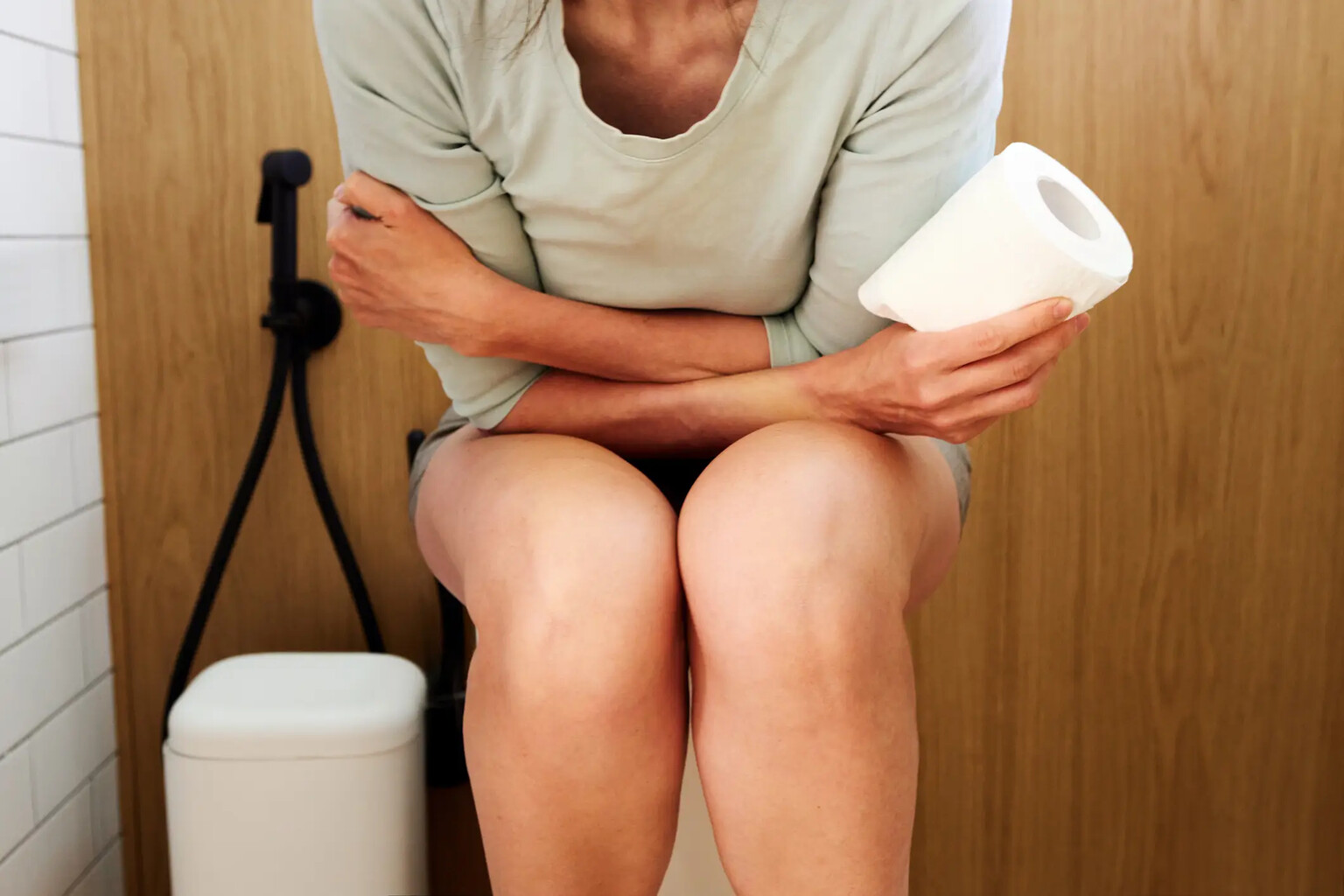
Symptoms include bloody diarrhea, vomiting, and stomach cramps. The Mayo Clinic notes that severe cases can progress to dysentery, dehydration, and seizures. Most infections resolve without treatment in three to seven days, but severe illness requires medical intervention.

The California Department of Public Health issued blunt guidance: “Don’t have sex with someone who has had diarrhoea in the last two weeks.”
HIV Prevention England recommends condoms during anal sex, dental dams for rimming, and avoiding shared sex toys. For those already infected, the group advises washing hands before food contact, laundering clothing and bedding at 60 degrees Celsius, and regularly cleaning taps, door handles, toilet flushes, and toilet seats with hot soapy water. Infected individuals should notify sexual partners and abstain from sex for at least one week after symptoms end.
Anyone suspecting infection should contact a GP or sexual health clinic immediately and prioritize hydration. Testing remains critical even for mild cases, given the extended contagious period and the potential for silent transmission.
The April CDC data landed amid broader warnings about antimicrobial resistance in common gastrointestinal pathogens. Baker’s research team at Cambridge has traced how genetic adaptations have allowed shigella to survive first-line antibiotic treatments that once cleared infections routinely.
Public health messaging now straddles a difficult line: acknowledging specific at-risk populations without stigmatizing them, while pressing for behavioral changes that many may find intrusive to discuss. The rise of dating apps has complicated contact tracing, though no platform has yet integrated health warnings about shigella specifically.
The bacteria’s low infectious dose means that even careful hygiene can fail against microscopic contamination, making the drug-resistance trend particularly worrisome for clinicians. With treatment options narrowing, prevention has become the primary defense against a pathogen once considered easily manageable.