

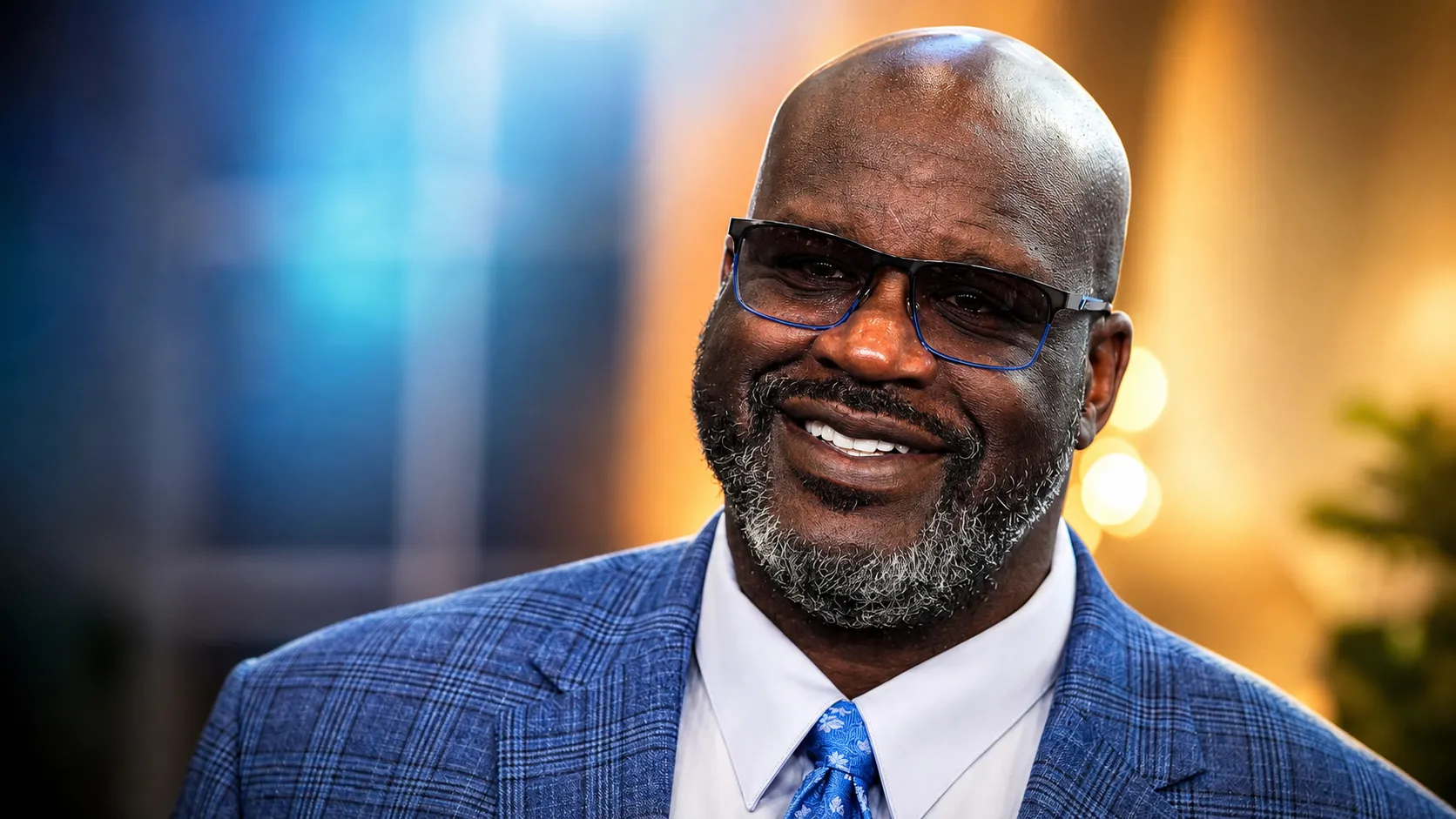
Shaquille O’Neal has shared a surprising side effect he experienced while taking GLP-1 medication.
GLP-1 drugs were first approved for diabetes treatment because they help regulate hormones involved in blood sugar control. However, they are also widely known for helping people feel full sooner, which can reduce how much they eat and, in some cases, lead to significant weight loss.
Because of that effect, these medications have also become increasingly popular as part of weight-loss plans when paired with exercise and dietary changes, including among high-profile figures. A 2024 KFF poll found that about one in eight U.S. Adults said they had taken a GLP-1 drug, underlining how quickly this category of medication has moved into the mainstream.
O’Neal is one of them, though he explained that he began using the medication because of a separate medical issue. In an interview with Healthline, he said his doctor suggested trying GLP-1 treatment to help address his weight and obstructive sleep apnea, and he revealed that one noticeable change was losing fat in areas of his body where he did not expect it.
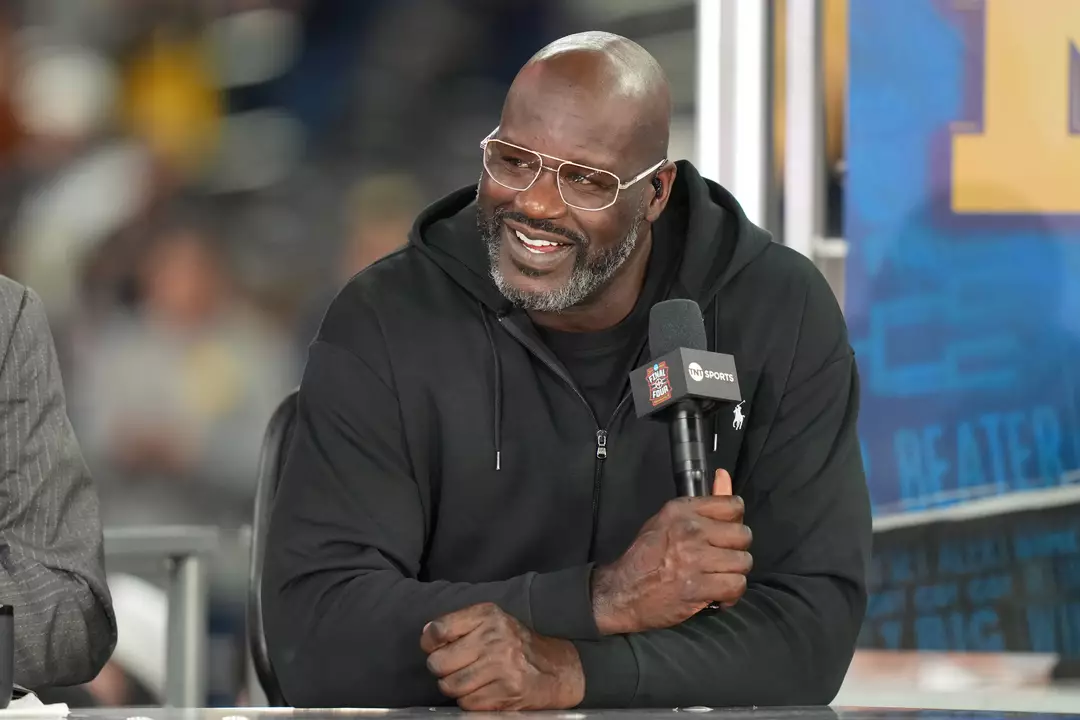
Years earlier, in 2011, the basketball icon took part in a sleep study at Harvard Medical School and was diagnosed with obstructive sleep apnea.
According to Cleveland Clinic, obstructive sleep apnea happens when breathing repeatedly stops during sleep because the airway becomes blocked. That can cause frequent waking during the night and seriously affect sleep quality.
The blockage occurs when the muscles in the neck relax during sleep, narrowing or closing the airway. If it is not treated, the condition can lead to major health problems including high blood pressure, heart problems and stroke.
Speaking to Healthline, O’Neal said: “Excess weight, especially around the neck, can narrow the airway and increase the risk of collapse during sleep.
“Clinical evidence suggests that weight loss is highly effective in reducing disease severity.”
His comments come after Zepbound, the brand name for tirzepatide, became the first prescription medication approved by the US Food and Drug Administration for moderate to severe obstructive sleep apnea in adults with obesity in December 2024. The approval was based on late-stage trial data showing the drug reduced breathing disruptions during sleep and improved related outcomes over 52 weeks.
In the pivotal SURMOUNT-OSA studies, tirzepatide cut the apnea-hypopnea index by as much as 62.8 percent, or roughly 30 fewer breathing interruptions per hour of sleep, compared with placebo. That made the treatment notable not just for weight loss, but for directly improving a condition that affects millions of adults in the United States.
He also encouraged others to speak with their own doctor and ‘let him prescribe what’s best for you’.
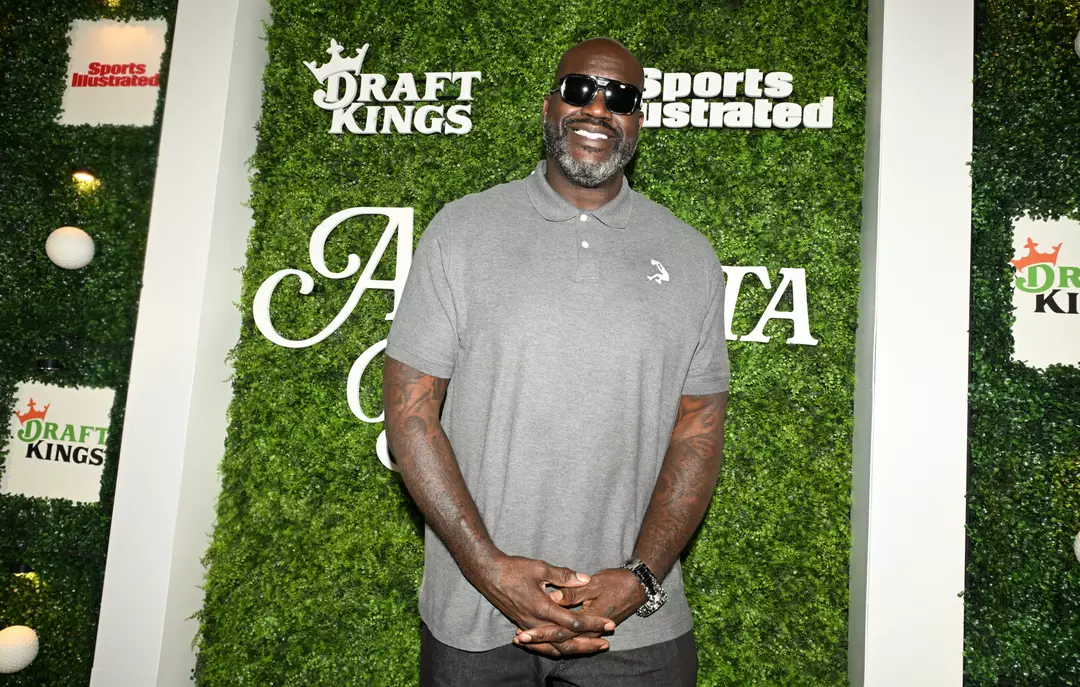
O’Neal also stressed that men need to take their health more seriously, saying: “The problem with men? We think we’re superhuman, especially athletic men.”
He spoke candidly about how much his eating habits have changed too. O’Neal said: “I used to eat four or five McDonald’s [items] a day; not anymore.
“I have to eat a high-calorie-reduced diet, and work out more, and I just can’t do things that [I] used to do.
“Like, my favorite thing was club sandwiches. I like bread. But [bread] can get me in trouble now. I’m trying to eat really healthy.”
Health experts have repeatedly said that medication alone is usually not the whole answer for sleep apnea. Depending on the patient, treatment can also include CPAP therapy, oral devices, positional therapy, surgery, and weight management. O’Neal’s case has drawn attention in part because it highlights how newer GLP-1 medicines are increasingly being discussed alongside more established sleep apnea treatments rather than simply as weight-loss drugs.
For O’Neal, the goal is not only to lose weight and manage sleep apnea, but also to stay healthy for the future. He said he wants to be around for his family and to enjoy time with his grandchildren.
“One of my sons said, ‘I can’t wait until my babies call you Grandpa’,” he said.
Obstructive sleep apnea is common but often undiagnosed. The American Lung Association says around 30 million adults in the US are living with sleep apnea, while many more may not realise they have it. O’Neal said that is a big part of why he decided to speak publicly: to push more people, particularly men, to get checked instead of brushing symptoms aside.