

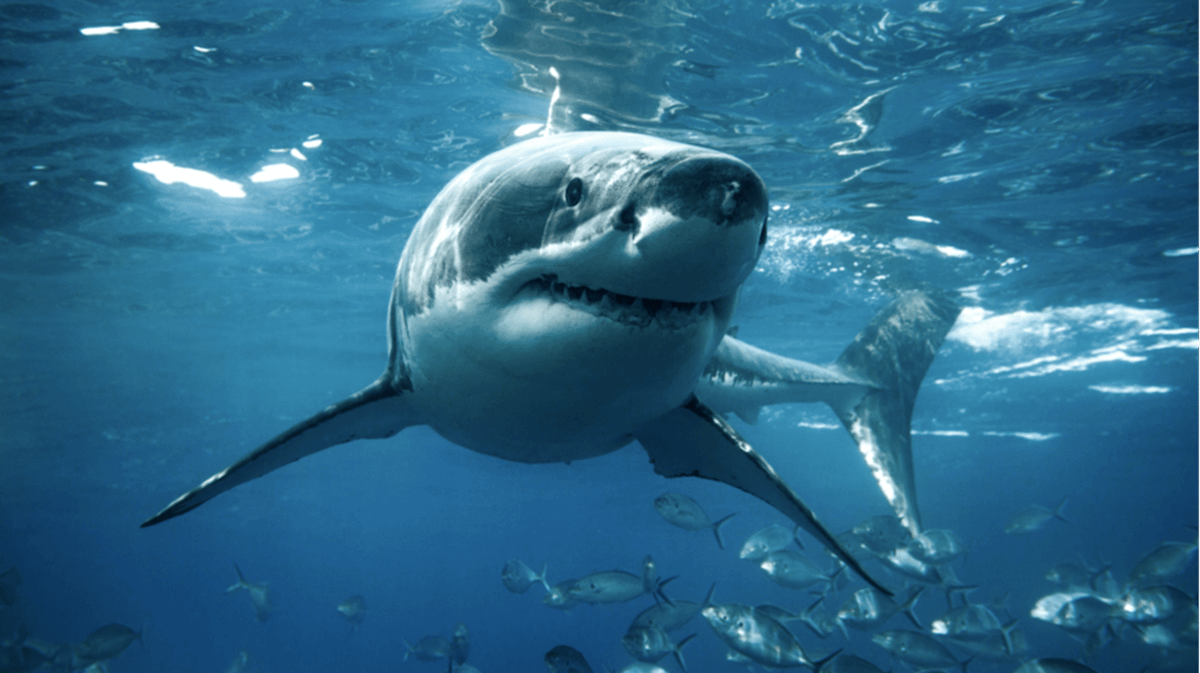
Scientists have detected traces of cocaine in the blood of sharks living in waters off the Bahamas.
In the same research, blood tests also revealed the presence of caffeine and common pain-relief medications in samples taken from three separate shark species.
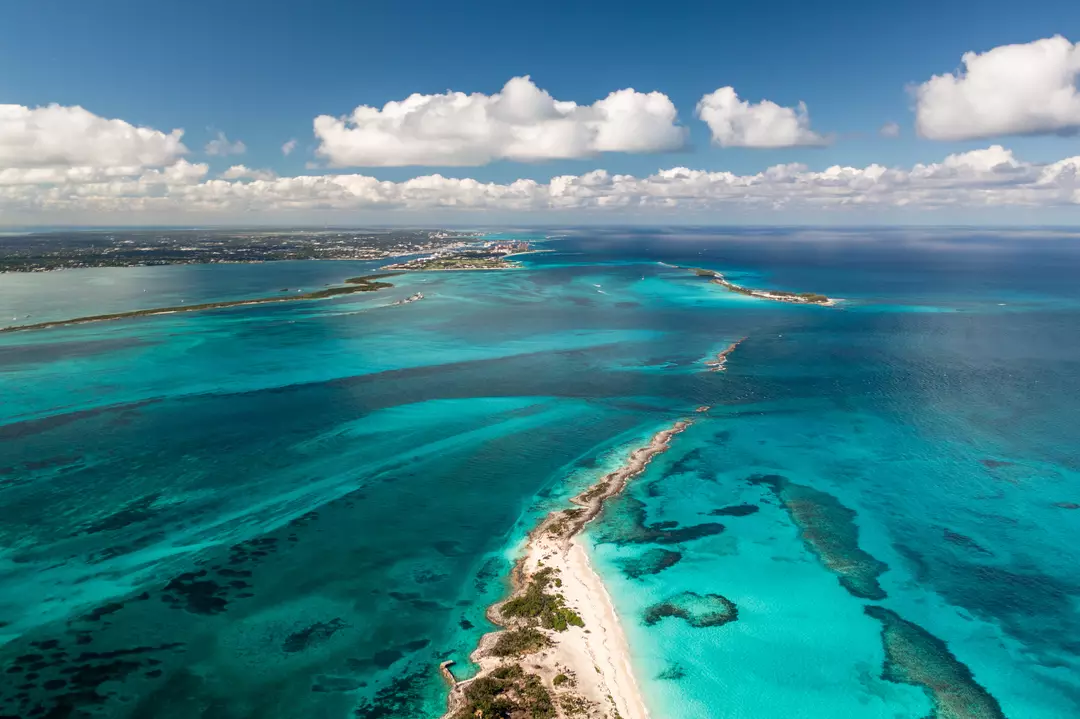
The animals were encountered during fieldwork around Eleuthera Island, roughly 50 miles east of Nassau in the Atlantic.
Researchers say the findings add to the growing body of evidence showing how human-made chemicals and pharmaceuticals can enter marine environments and move through food webs.
A team from the Cape Eleuthera Institute suspects drug packages may have ended up in the ocean, though the study could not confirm exactly how the sharks came into contact with the substances.
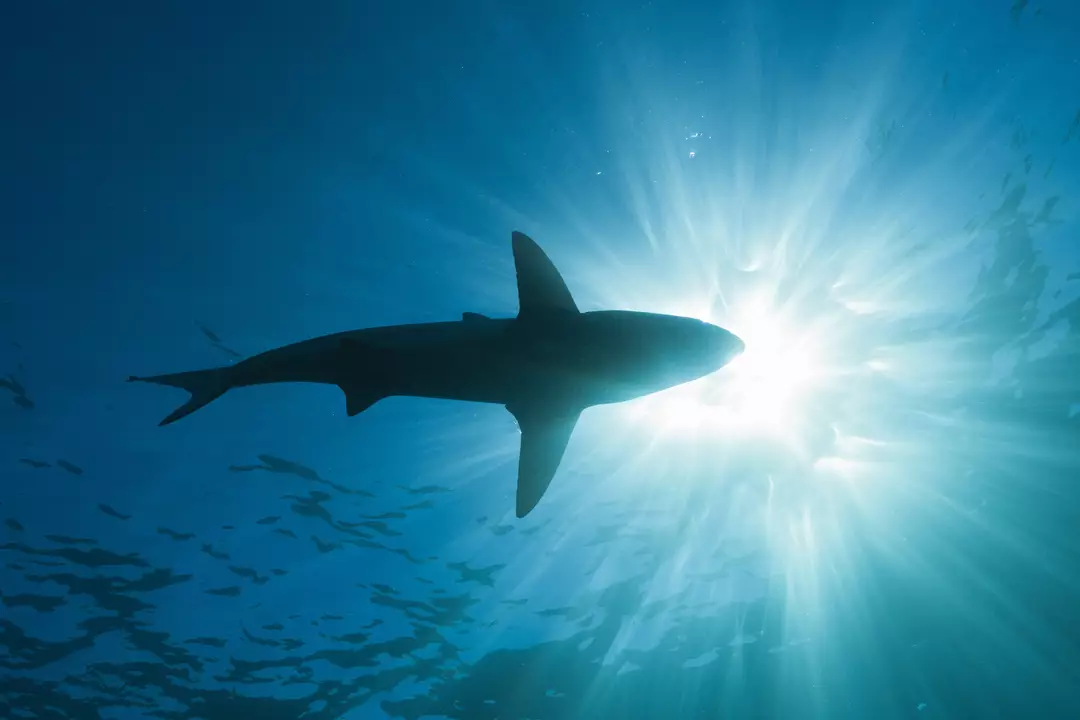
“They bite things to investigate and end up exposed to substances,” lead author Natascha Wosnick explained to Science News.
Among the compounds detected, caffeine appeared most often: 27 out of 85 sharks tested positive.
Two sharks showed traces of cocaine. Diclofenac, an anti-inflammatory medication, was identified in 13 sharks, while paracetamol was detected in four.
The team also reported shifts in certain metabolic indicators, including lactate and urea, but said it remains uncertain what those changes could mean for the sharks’ health or behaviour over time.
Notably, the largest cluster of positive samples came from a single location that is heavily visited by tourists. Wosnick suggested ocean currents may transport contaminants from sewage or other onshore sources, though human activity in the water was also raised as a possible factor.
The researchers said this is the first time caffeine and paracetamol have been documented in sharks anywhere in the world, and the first time cocaine and diclofenac have been recorded in sharks in the Bahamas.
Elsewhere, a separate study in Brazil reported measurable cocaine levels in wild sharks near Rio de Janeiro, described as the first confirmed instance in free-ranging sharks. Scientists analyzed 13 Brazilian sharpnose sharks and found cocaine in every sample, with most also containing benzoylecgonine, a cocaine metabolite. The study linked the contamination to human-related sources.
In other shark news, researchers have also been monitoring an enormous great white known as Contender, described as the largest ever recorded in the Atlantic at about 14 feet long and more than 1,600 pounds.
Believed to be around 30 years old, Contender was tagged earlier in the year and then temporarily vanished from tracking data for close to a month.
When the signal returned, the shark appeared in a busy tourist area of North Carolina after earlier detections along the Florida-Georgia coast—an indication of substantial long-range travel. Scientists attributed the movement to seasonal migration and feeding patterns, as sharks shift locations to follow prey.
Explaining this pattern, one expert noted: “This time of year white sharks are starting their late spring/early summer migration (16 May to 30 June) moving from their southern overwintering area to their summer/fall foraging areas in the northeastern US and Atlantic Canada.”