

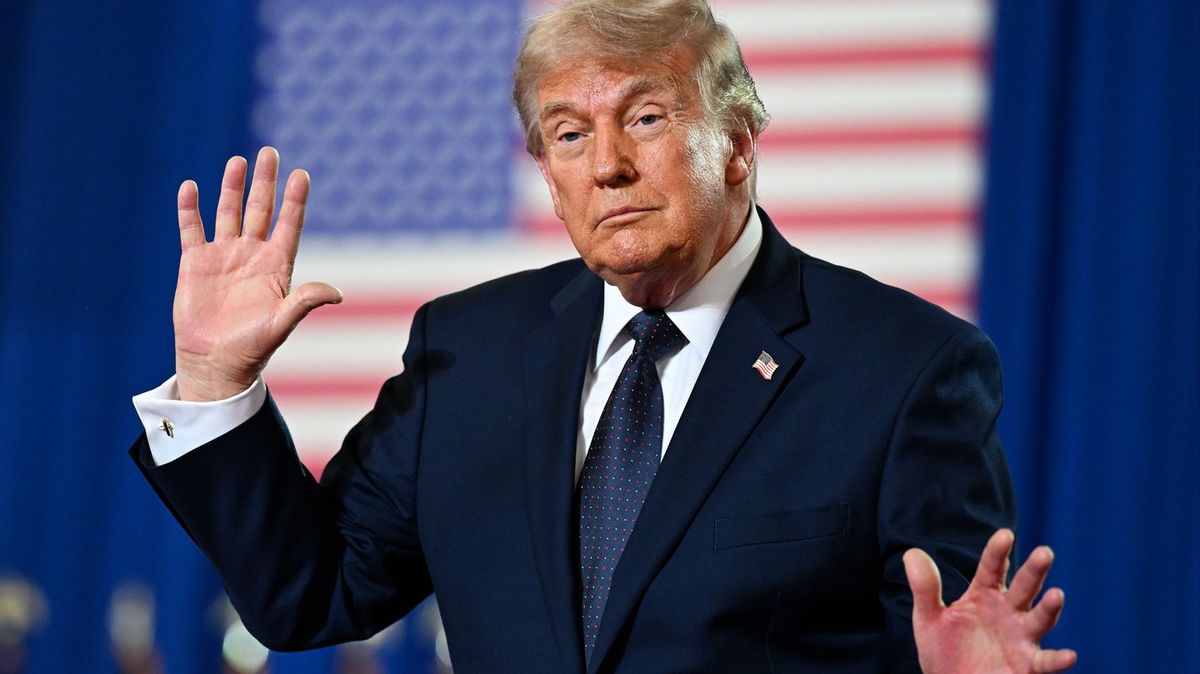
Throughout Donald Trump’s 2024 presidential run, he repeatedly cast himself as the “candidate of peace”, contrasting his approach with the presidencies of Barack Obama and Joe Biden.
He often pointed back to his first term as evidence, arguing: “We had no wars, for four years we had no wars. Except we defeated ISIS.”
Trump also insisted his negotiating style and appetite for deals would enable him to wind down what many see as a growing roster of international conflicts.
Among his biggest pledges was the assertion that he would end the Russia-Ukraine war in “24 hours”. But developments since then suggest those campaign promises have not translated into the outcomes he predicted.
In his second term, Trump has significantly expanded US overseas military activity, signing off on more than 600 military and drone strikes, according to the Council for Foreign Relations.
The strike and threat posture has extended across multiple regions — including the Middle East, Africa, and South America — with at least seven countries reportedly affected by direct action, and others facing warnings of possible action.
The newest country to enter that conversation appears to be Oman, amid reports that Tehran and Muscat may be exploring a “joint security system” tied to managing the strait.
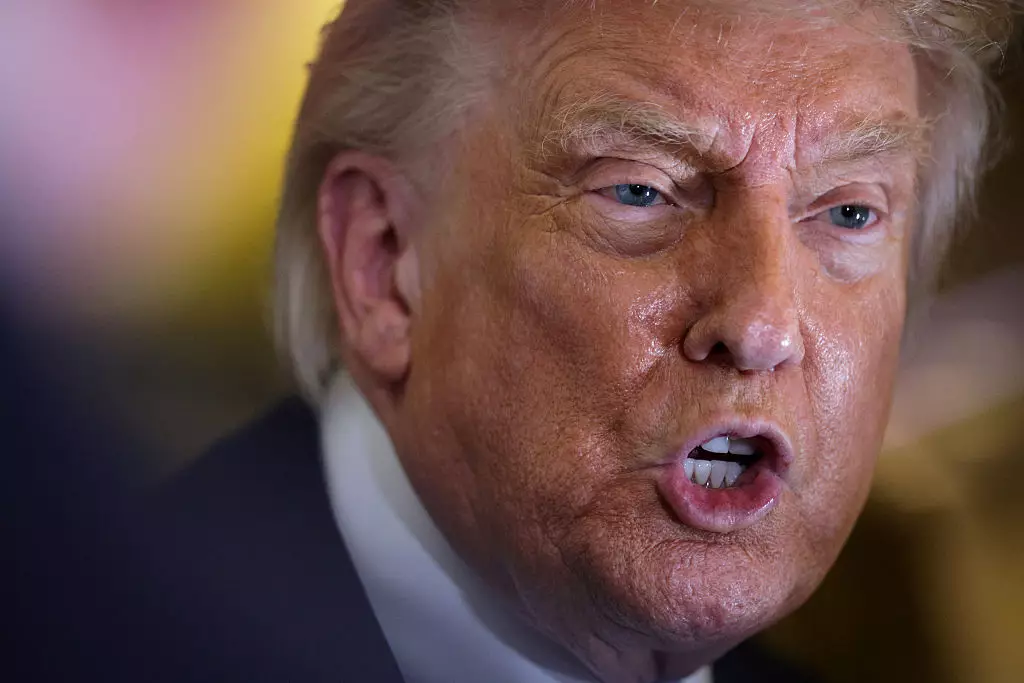
“Oman will behave just like everybody else, or we’ll have to blow ‘em up,” Trump said at a White House Cabinet meeting.
Overall, Trump has now floated the prospect of military action against 15 nations. He has also suggested bombings could be on the table for Cuba, Greenland, Canada, Mexico, Panama, Colombia, and now Oman. During his first term, he previously made threats aimed at North Korea and Mexico as well.
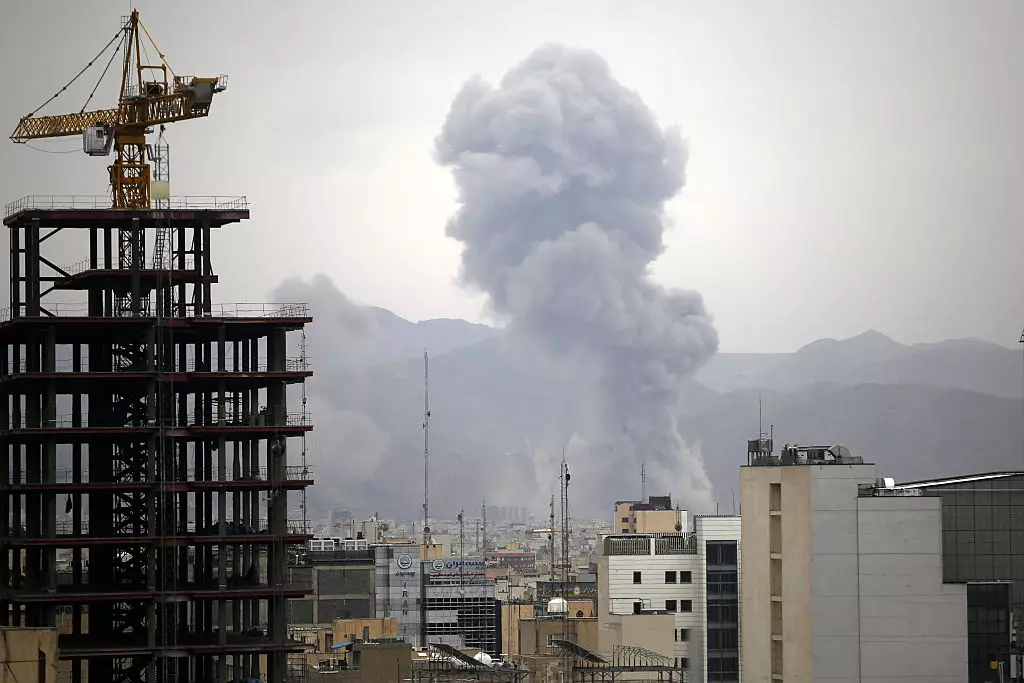
In terms of actual strikes, he has carried out bombings in seven countries: Syria, Iraq, Somalia, Venezuela, Nigeria, Yemen and Iran.
Some of those operations, however, were described as limited strikes focused on terrorist organizations rather than attacks directed at the governments of those states.
Trump has also floated the idea that several places he has threatened or targeted could ultimately become part of the United States — naming Canada, Cuba, Greenland, Panama (specifically the Panama Canal), and Venezuela.
Separately, he drew criticism earlier this year over strikes in the Pacific Ocean and Caribbean Sea on alleged drug-trafficking vessels — a campaign that reportedly hit 60 ships and resulted in more than 190 deaths.
The scale of Trump’s bombing campaign has also been framed as difficult to reconcile with his administration’s own National Security Strategy, which argued earlier administrations defined US interests too broadly — creating overcommitment and an overextended global footprint. It further stated that “the affairs of other countries are our concern only if their activities directly threaten our interests.
“Our elites badly miscalculated America’s willingness to shoulder forever global burdens to which the American people saw no connection to the national interest.”