

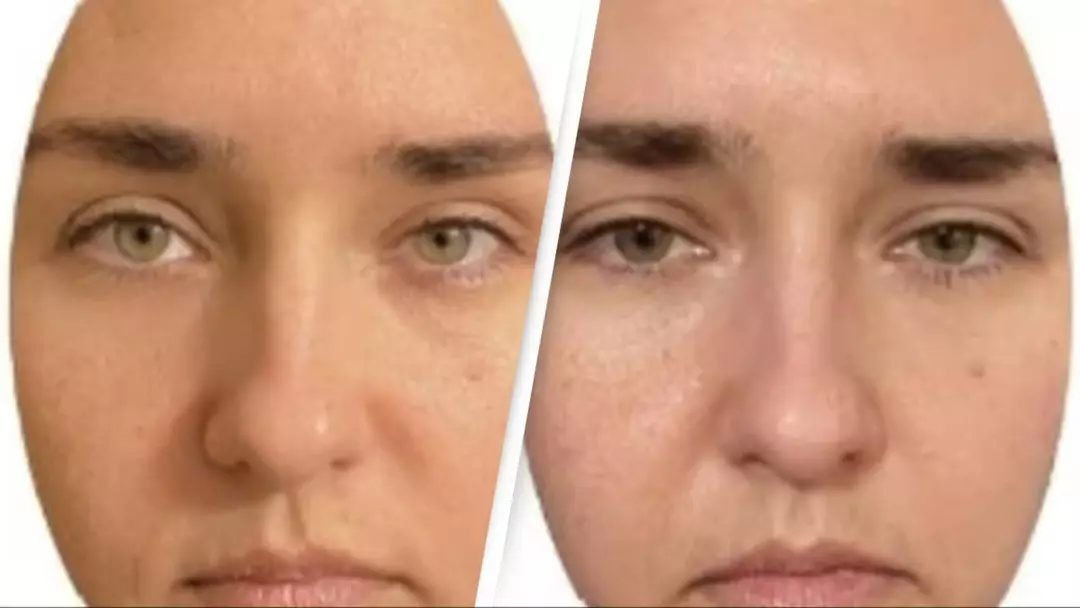
Recent studies have identified the subtle facial cues that reveal when someone is feeling unwell.
As winter approaches, so does the likelihood of catching the seasonal flu.
While common symptoms like fever, headaches, coughing, and sneezing are well-known, researchers have discovered more subtle signs indicating someone might be sick, suggesting when it might be best to keep your distance.
In a study, researchers asked participants to examine images to test their ability to detect signs of lassitude, or the facial indications of illness.
Participants, consisting of 140 men and 140 women, viewed images of 12 individuals when they were healthy and compared them to pictures of the same individuals when they were suffering from a cold, flu, or COVID-19.
They were instructed to evaluate each image based on six criteria believed to signal latent lassitude perception, such as safety, healthiness, approachability, alertness, social interest, and positivity.


Notably, the findings revealed that women were more accurate in identifying who was ill. Researchers suggest this may be linked to maternal instincts, as women have historically been primary caregivers and thus may have developed an enhanced ability to detect illness early.
The University of Miami research team stated: “When feeling sick, people reliably exhibit observable signs in their faces. People are, overall, sensitive to the lassitude expression in naturally sick faces.”
Tiffany Leung, a graduate student in the Social Cognition Lab at the University of Miami, elaborated: “Previous research has shown sex differences in experimentally manipulated sick face photos. Building on this work, our study asked whether these sex differences also appear when people view naturally occurring signs of illness in faces.”
Common indicators include changes around the eyes, such as redness, sleepiness, or droopy lids, as well as pale and parted lips.

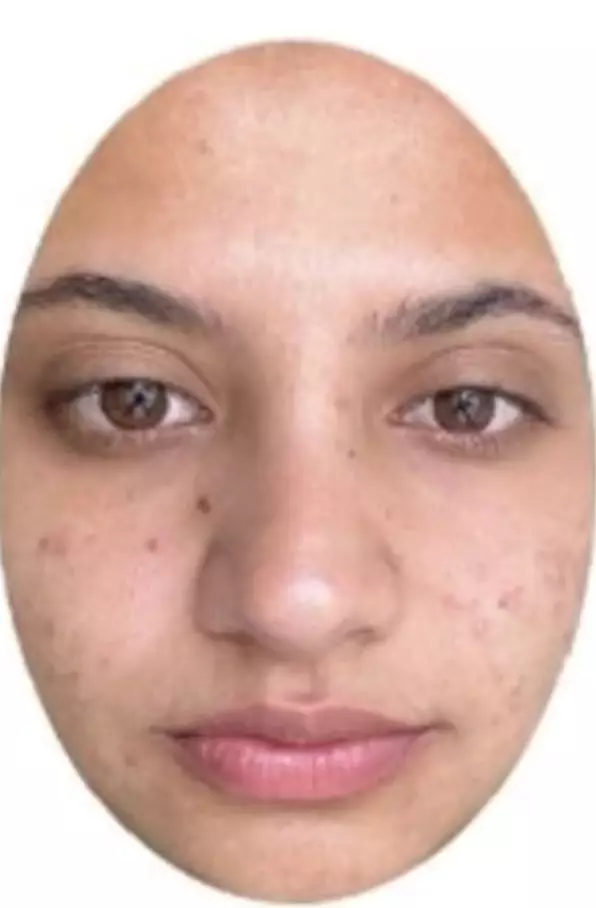
Drooping corners of the mouth can also signal illness.
Additionally, skin changes such as puffiness, a clammy appearance, or being pale or flushed red are also indicators.
In their publication in Evolution and Human Behavior, they explained: “Lassitude—characterized by drooping eyelids, pale and slightly parted lips, and drooping corners of the mouth—is an emotional expression exhibited when people are sick.”
Regarding their findings, the researchers noted: “Overall, the current study found that females are better than males at recognizing facial sickness based on ratings of people’s faces. This finding indicates that females may be more attuned to natural facial cues of sickness.”
They added that this is the first study, to their knowledge, to identify a female advantage in recognizing natural lassitude expressions.
“Nonetheless, our findings suggest individual differences in the ability to perceive facial signs of lassitude, with some individuals—particularly males—potentially benefiting from support in developing this skill.”