

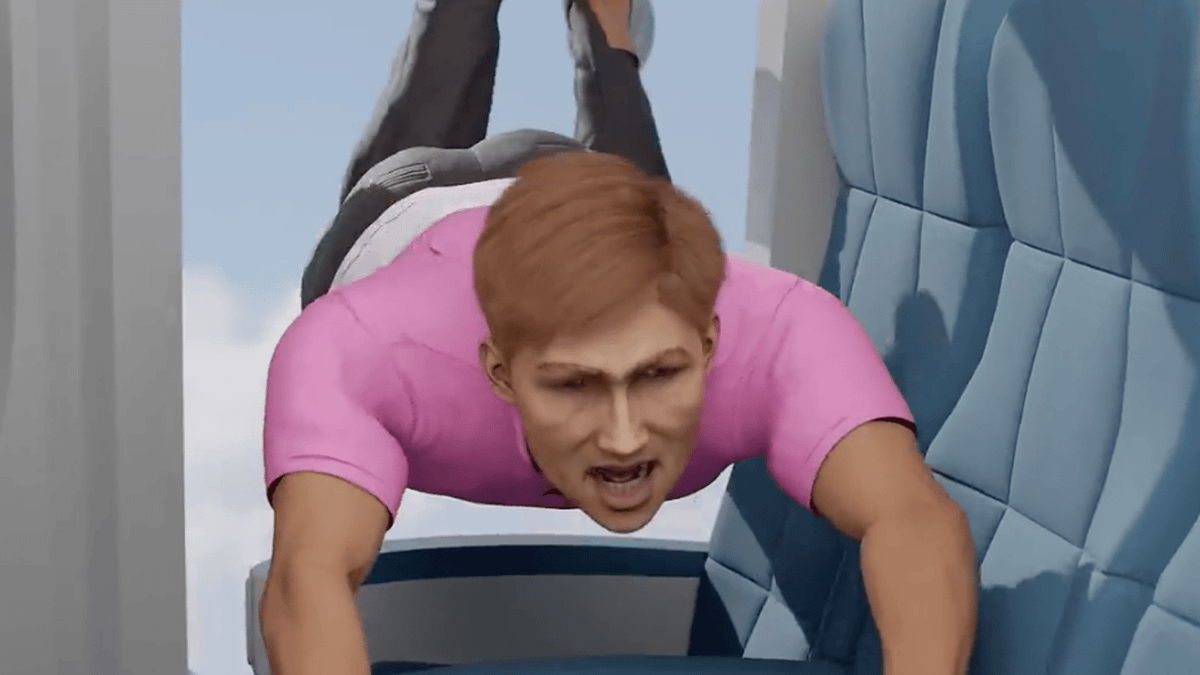
A man forced a Frontier flight bound for Chicago to make an emergency diversion after he allegedly tried to open an emergency exit while the plane was in the air — but a simulation shows what would really happen.
Most people have had the occasional intrusive thought — the kind that pops up at the worst possible moment and suggests doing something reckless or unsafe.
On a recent flight, that line was reportedly crossed when a passenger allegedly attempted to open an aircraft door mid-journey, triggering an unexpected landing in Miami.
Frontier Airlines said the flight, which was traveling from San Juan, Puerto Rico, to Chicago O’Hare International Airport, was diverted on Sunday (May 31) because of a disruptive passenger.
The individual was later named as 51-year-old Juan Gabriel Reyes, from Pahokee, Florida.
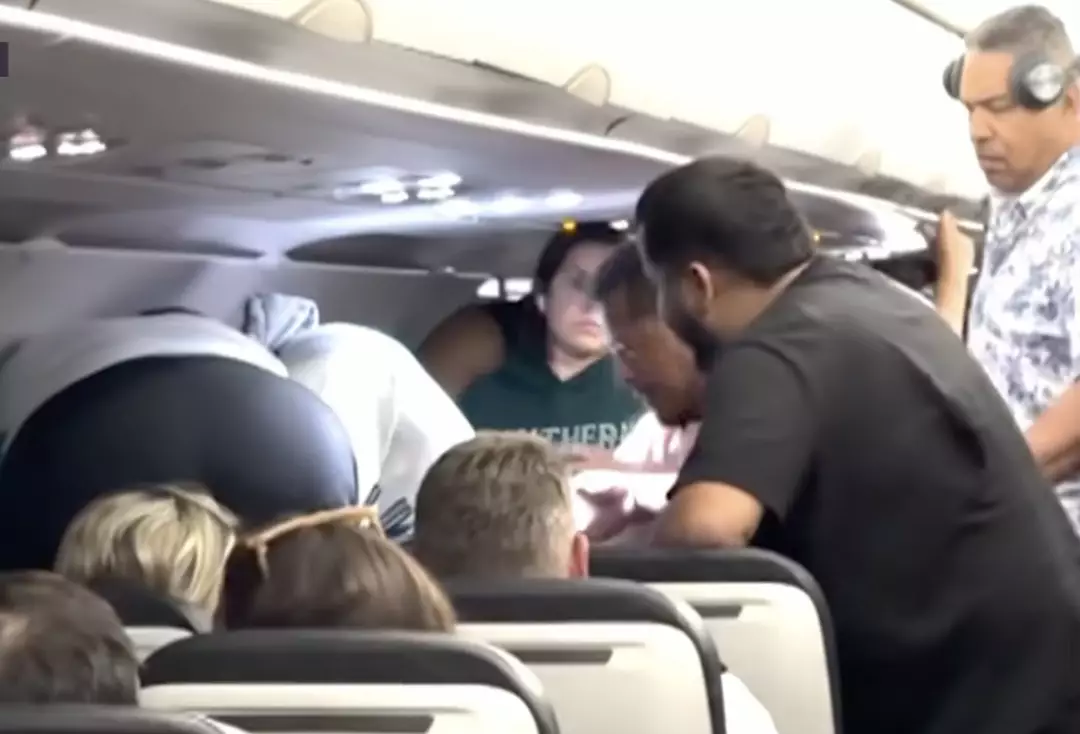
According to a police report, Reyes allegedly tried to open the doors while the aircraft was airborne, repeatedly insisting he wanted to leave the plane and ignoring instructions from the cabin crew.
The report further claims the incident continued as he attempted to access the flight deck area and urinated on the floor of the aircraft bathroom.
It’s also alleged that after an off-duty Frontier flight attendant offered to sit in his row, Reyes grabbed the attendant by the head and choked him, prompting other passengers to step in.
The flight ultimately diverted to Miami. Reyes has since been charged with battery and remains in Miami-Dade jail on a $20,000 bond.
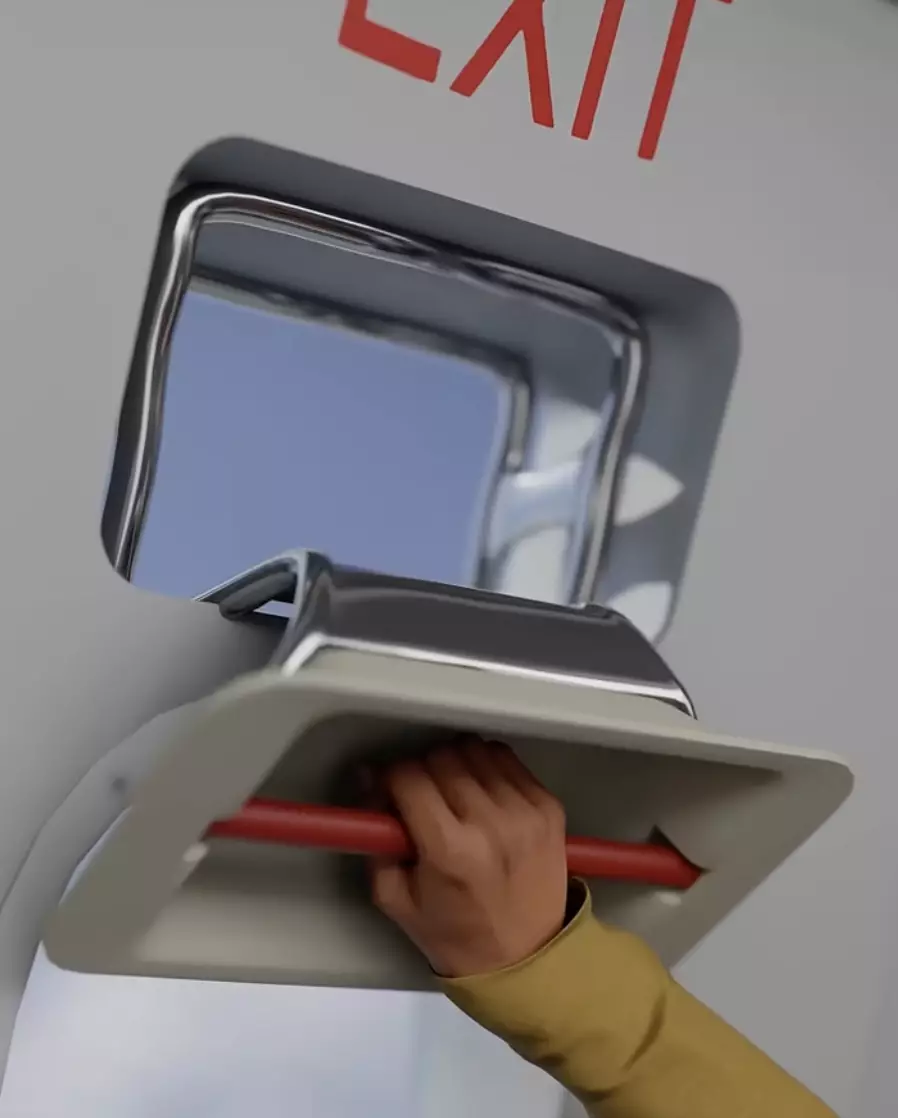
While the claim of someone opening an emergency door in flight sounds terrifying, a simulation shared by Zack D. Films suggests the outcome would be far less dramatic — because in normal cruising conditions, it’s essentially not something a person can do.
CBS Boston reports that at around 36,000 feet, opening a door would require overcoming more than 24,000 pounds of pressure — roughly comparable to the weight of six cars, or about 20 polar bears.
In other words, the pressure difference between the cabin and the outside air effectively holds the door shut. Even so, if someone did try, cockpit alerts would still indicate an attempted door opening.
Speaking to the BBC, Dr David Birch, Senior Lecturer in Aerospace Engineering at Surrey University, said: “It is also an airworthiness requirement that the aircraft must be able to fly and land safely with an open door, and that if opened in flight, the door must not become a hazard to the passengers or the aircraft.”
He added that in the extremely unlikely event a door did open during flight, the pilot would declare an emergency and begin an immediate emergency descent to reduce the pressure difference as quickly as possible.