

A judge in Los Angeles is hearing evidence this week in a high-profile murder case against 21-year-old singer David Anthony Burke, known professionally as D4vd, to determine whether there is enough evidence for the case to proceed to trial. The preliminary hearing, which began July 21 before Los Angeles County Superior Court Judge Charlaine Olmedo, is expected to last between three and five days and will be a critical juncture in the prosecution’s case against the musician.
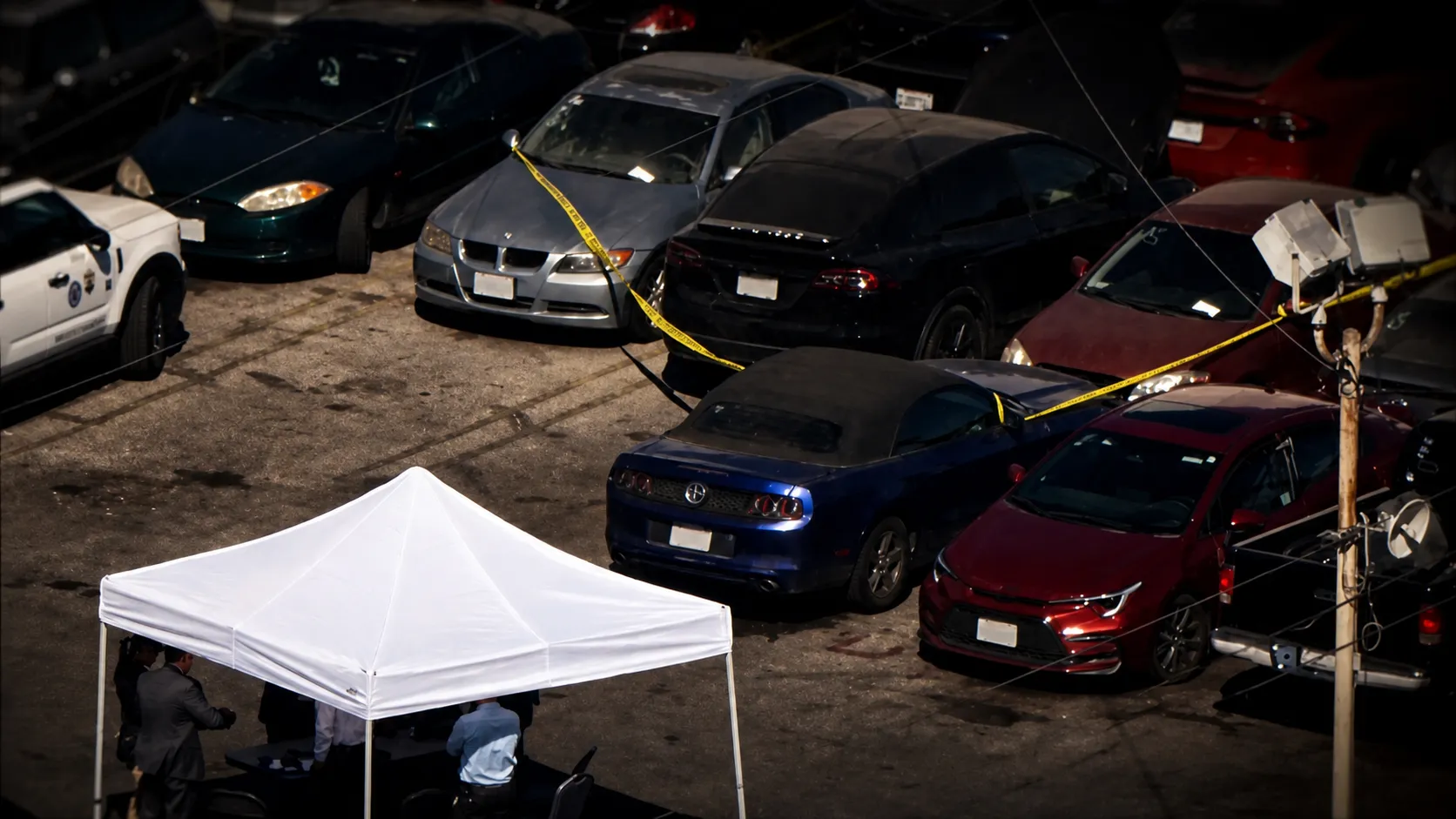
Burke stands accused of killing and dismembering 14-year-old Celeste Rivas Hernandez, whose decomposed remains were discovered in September 2025 in the front trunk of a Tesla registered to the singer. The teen’s body was found in two cadaver bags at a Hollywood tow yard after workers reported a foul smell emanating from the abandoned vehicle. Celeste’s remains were found on what would have been her 15th birthday.
Prosecutors allege that Burke and Celeste had a sexual relationship beginning in November 2023 when she was 13 and he was 18, meeting initially through social media in January 2022. According to prosecutors, Burke killed Celeste on April 23, 2025, when she was 14 years old at his Hollywood Hills home after she threatened to expose their illegal relationship and damage his music career, which was threatened by the allegations.
Burke was charged in April with capital murder, continuous sexual abuse of a child under age 14, and unlawful mutilation of human remains. The capital murder charge includes special circumstance allegations of lying in wait, murder for financial gain, and murder of a witness in a criminal investigation. If convicted on the special circumstances, Burke could face either life in prison without the possibility of parole or the death penalty, though prosecutors have not yet announced whether they will pursue capital punishment.
The defendant has pleaded not guilty to all charges through his legal team. His attorneys, Blair Berk, Marilyn Bednarski, and Regina Peter, issued a statement asserting that “the actual evidence in this case will show that David Burke did not murder Celeste Rivas Hernandez, and he was not the cause of her death.”
The prosecution’s case will present a substantial volume of evidence accumulated over the months-long investigation. Prosecutors have turned over more than 10 terabytes of digital evidence to the defense, with the total discovery potentially exceeding 40 terabytes. This includes materials from search warrants executed on Burke’s phone and iCloud account.
According to court filings, the state’s evidence includes surveillance video and location data showing Burke’s movements in the days following the alleged killing. Prosecutors claim that Burke was the last person to drive the Tesla on July 29, 2025, before leaving Los Angeles for a concert tour. Location data allegedly places Burke in Santa Barbara County on April 23, 24, May 8, and May 31. A Caltrans worker discovered Celeste’s passport in nearby brush in January 2026.
The prosecution alleges that Burke made incriminating purchases after the alleged murder. Court documents indicate he ordered two chainsaws, a body bag, heavy-duty laundry bags, a blue inflatable pool, a burn cage, and a shovel. Many of these items were purchased using a fake name through Amazon and other retailers and allegedly delivered to his home.
Prosecutors have also presented evidence of digital communications between Burke and Celeste. Text messages allegedly contain references to sex, pregnancy, abortion, and emergency contraceptive use. Additionally, authorities discovered what prosecutors describe as a “significant amount” of child pornography on a phone belonging to Burke, along with explicit photographs documenting and corroborating the sexual relationship between the two.
Physical evidence is central to the state’s case. Los Angeles police detectives found evidence consistent with the dismemberment of a victim’s body in an inflatable pool at Burke’s home, including multiple linear cuts. Multiple blood samples collected in the garage area tested positive for blood, and DNA analysis matched these samples to Celeste’s unique genetic profile.
The medical examiner determined that Celeste died from two penetrating wounds to her torso with smooth edges suggesting sharp force injuries. One wound on her upper abdomen penetrated the liver, while another on her left chest damaged her ribs. Her tube top bore three cut marks. The autopsy ruled the manner of death a homicide.
When Celeste’s remains were discovered, she weighed just 71 pounds and had been decomposing for months. Two of her fingers from her left hand were missing. Notably, Burke has a tattoo on one of his fingers that matches a tattoo reading “Shhh” that was found on Celeste’s index finger.
Burke was arrested in April following the grand jury investigation that named him as a target in the case. He has been held without bail since his arrest. The preliminary hearing represents a turning point where the judge must decide whether the evidence is sufficient to establish probable cause and order Burke to stand trial on all charges. If the judge finds insufficient evidence, some or all charges could be reduced or dismissed.