

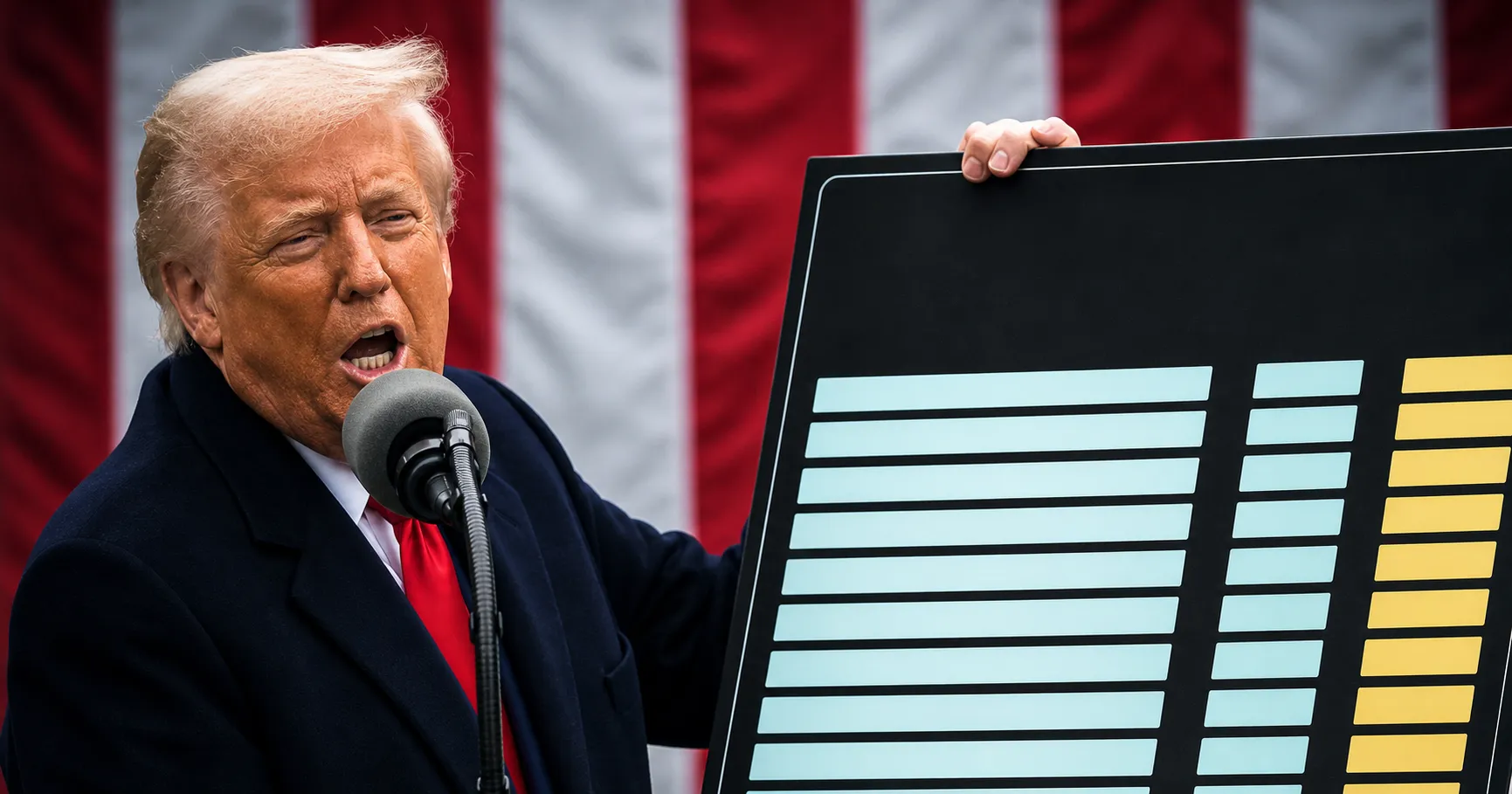
President Donald Trump’s latest round of sweeping tariffs is headed back to court after small businesses filed lawsuits just hours following the duties’ implementation on Friday. The new tariffs, which took effect at 12:01 a.m. On July 25, represent the third iteration of Trump’s efforts to implement broad-based levies on imports following repeated legal defeats.
The Trump administration announced tariffs ranging from 10 percent to 12.5 percent on imports from 60 trading partners, covering approximately 99.4 percent of U.S. Imports. These duties came into effect immediately as temporary 10 percent tariffs imposed under a different trade law expired at midnight. The new tariffs were implemented under Section 301 of the Trade Act of 1974, which gives the president authority to impose duties on countries engaging in unjust trade practices. The administration claims the targeted countries have failed to adequately enforce bans on goods produced with forced labor.
The Liberty Justice Center, a nonprofit legal group that has successfully challenged Trump’s tariffs multiple times, filed a lawsuit in the U.S. Court of International Trade on behalf of two small businesses: Burlap & Barrel, a New York-based spice retailer, and Collective Horology, a California-based watch retailer. The lawsuit was filed the same day the tariffs took effect.
“Forced labor is morally indefensible, but an important objective does not give the government permission to ignore the law,” said Sara Albrecht, chairman and CEO of the Liberty Justice Center. “The administration allowed one global tariff to expire and immediately replaced it with another under a different statute. Changing the statute doesn’t change the law.”
The plaintiffs contend the new tariffs unlawfully replicate a system of duties that the U.S. Supreme Court already struck down in February. The lawsuit argues that Section 301 requires detailed country-specific findings about forced labor practices, not the broad, uniform tariff rates applied to 60 countries. Legal experts have noted that Section 301 was historically designed to target specific nations and industries with precise findings, not to impose near-identical tariff rates across dozens of trading partners.
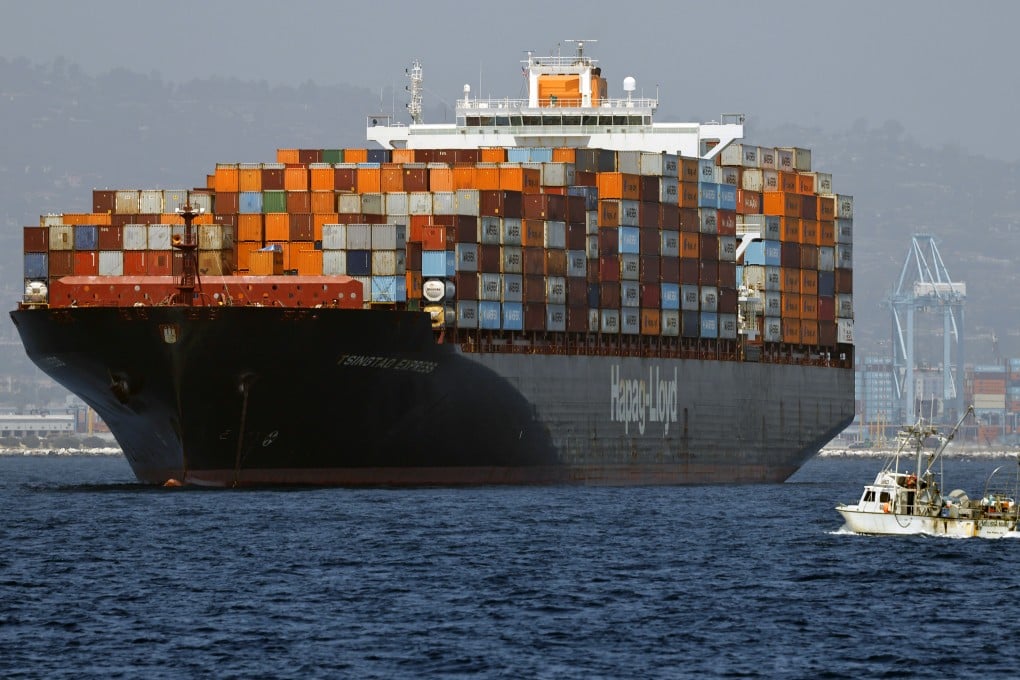
Burlap & Barrel and Collective Horology say the tariffs will cause immediate and substantial financial harm. Burlap & Barrel expects tariffs of approximately $43,000 on spices imported from multiple countries, while Collective Horology anticipates tariffs of about $8,280 on three shipments worth roughly $69,000. Both companies say they have no domestic suppliers capable of replacing the specialized products they import and therefore cannot avoid the tariffs.
“These tariffs would punish a responsible American business, and the farmers we work with, without showing how taxes on our spices would address the policies of foreign governments that USTR says it is targeting,” said Ethan Frisch, co-founder and co-CEO of Burlap & Barrel. Collective Horology’s co-founder Asher Rapkin voiced similar concerns: “These tariffs level that accusation across entire countries, and it’s small businesses like ours writing the checks, alongside the very makers we champion, without anyone showing how taxing our imports fixes anything.”
The lawsuit follows Trump’s earlier defeats in federal courts. In February, the Supreme Court ruled 6-3 that Trump violated federal law when he attempted to use emergency powers to impose sweeping tariffs on virtually all U.S. Imports. The administration then imposed temporary 10 percent tariffs under Section 122 of the Trade Act, which was struck down by the Court of International Trade in May as exceeding the president’s authority. That tariff expired Friday morning, prompting the administration to shift to its third approach.
An analysis cited by the plaintiffs suggests the new tariffs will generate substantially less revenue than the earlier duties, indicating the administration designed them primarily to resurrect the expired tariff regime rather than to target specific trade practices. Treasury Secretary Scott Bessent previously stated the shift to new tariff authorities would leave revenue “virtually unchanged,” with rates remaining “exactly where they were.”
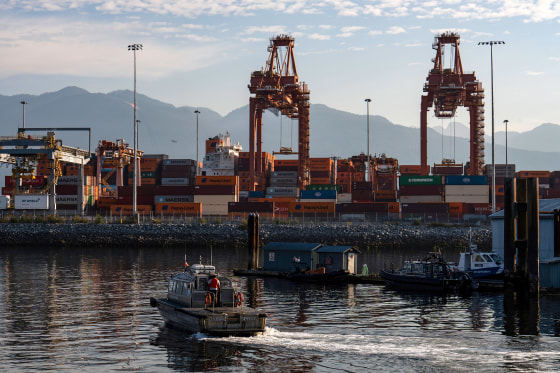
Beyond the small business lawsuit, a coalition of 24 states led by Oregon, Arizona, California, and New York filed a separate lawsuit on the same day, also challenging the new tariffs. The states argue the duties violate the Constitution and will drive up costs for consumers while failing to combat forced labor. “The focus right now should be on paying people back, not doubling down on illegal tariffs,” said Oregon Attorney General Dan Rayfield.
The new tariffs are part of Trump’s broader trade agenda in his second term, which has been marked by repeated clashes with federal courts over tariff authority. The Liberty Justice Center previously won a Supreme Court ruling against Trump’s emergency tariff authority and successfully challenged the Section 122 tariffs in the lower court.
Legal experts are divided on the challenge’s prospects. While Section 301 traditionally gives presidents more latitude than the emergency powers laws Trump previously invoked, the blanket application to 60 countries simultaneously may exceed the statute’s intended scope. The cases could ultimately determine the limits of presidential power to impose tariffs without congressional approval, a question the Supreme Court addressed in February but may need to revisit.
The White House did not immediately respond to requests for comment on the new lawsuits. The Trump administration has stated it plans to “vigorously defend” its tariff policies in court.