


Sorority women across the country say the alleged gang rape at Cornell University has left them frightened but not shocked, describing sexual assault as a persistent, systemic danger woven into Greek life culture.
Riley Kate Higgins, 22, president of the Panhellenic board at the University of Washington, said members of her community reacted with grim recognition when news broke. “A lot of our girls were like, ‘Yeah, this is something that happens. This is something that we’re familiar with,'” she told The Post. Higgins, a senior studying environmental engineering, added that the timing hit hard as students returned to campus.

“A lot of our girls have been a little scared — [especially] our new members, because we just started up school again and are kind of forced to think about [sexual assault] in a time where they should be excited about going out and excited about going to school and starting that new environment,” she continued. “I think it just makes every woman pause a little bit, whether they’re affiliated with Greek life or not.”
An anonymous member of Alpha Delta Pi at a northeastern state school described how her chapter has tightened precautions since the case surfaced. “We have been talking a lot about how to be safe and avoid situations like that,” she said. The woman noted that sisters now lock doors at night and cover drinks when going out.
She also detected a shift among fraternity men. “I think guys are more aware in a sense that they’re, like, more nervous and obviously they don’t want to run into a situation like that,” she said.
The emotional toll has fallen heavily on survivors within the Greek system. One sorority president posted on Reddit that “as I’m sure is true for everyone here, the Cornell case has been heavy on the hearts of the girls in my organization.” The woman, who identified herself as a rape survivor, wrote that members were pressing her to issue a statement and discuss the assault in chapter meetings.
“I have sat down a million times trying to write a coherent statement, and I just can’t do it,” she shared. “I haven’t been able to leave my bed or eat in days.”
Alumni voiced similar exhaustion with the cycle of violence and awareness campaigns. A former sorority sister at James Madison University recalled her own experience. “[We were] all aware that something could happen [when we went out partying with fraternity brothers],” she said. “I’ve been drugged. It’s surreal to me that this is still happening.”
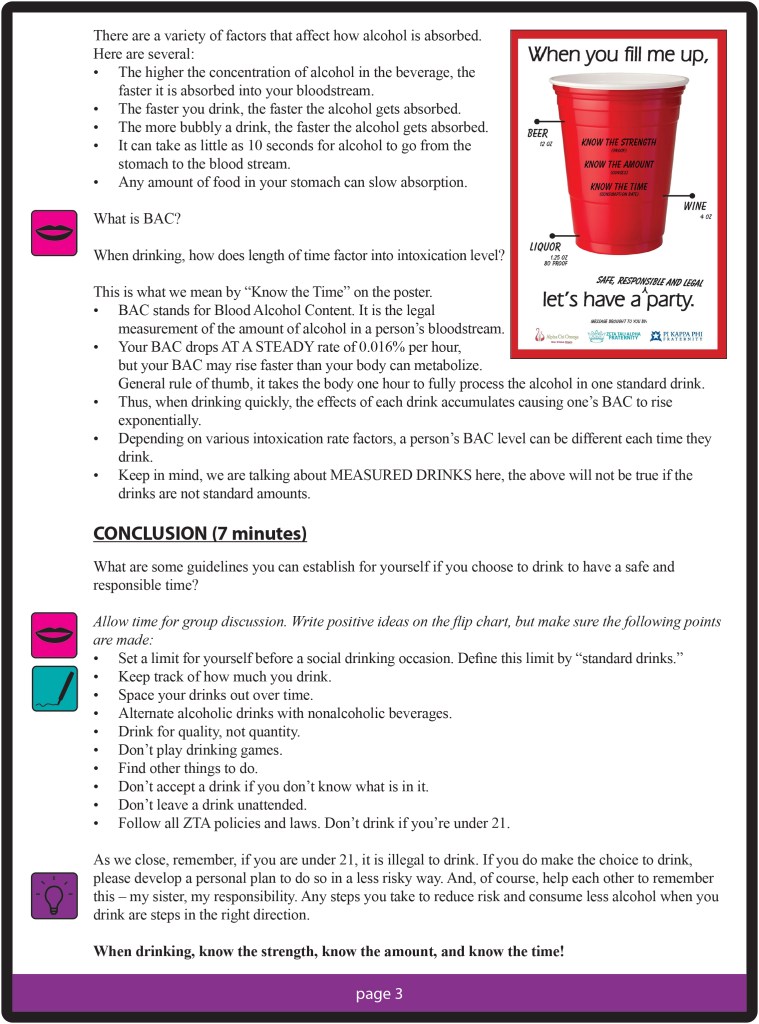
Greek life organizations have spent years deploying prevention programs with limited success. Zeta Tau Alpha released a “Drunk Does Not Equal Consent” chapter guide back in 2014. More recently, sororities nationwide adopted “sober sister” programs, assigning one member to monitor safety at parties.
Court documents indicate that system was in place at Cornell, where the victim herself had originally been designated as the sober sister for her Tri Delta chapter. She gave up that role after being robbed earlier that day, according to the filings.

Brandis Bradley, a TikTok Greek life influencer, told The Post she no longer believes reform can redeem the institution. “It’s never going to be the empowering experience I want it to be for young women, I’m afraid,” she said.
Public opinion has turned sharply against Greek life. A 2023 YouGov poll found fewer than a quarter of Americans believe fraternities and sororities positively impact campus culture. At Stanford, 41 percent of students favored abolishing Greek life entirely, while at Washington University in St. Louis, a Student Union Survey showed 65 percent of all students and 58 percent of sorority members themselves supported elimination.
Alabama-based rush coach Bill Alverson warned that some young women still underestimate the threat. “It is something that people are cognizant and aware of,” he told The Post, “but then there’s the other type of person that thinks it’s all Skittles with rainbows and lots of fun and nothing bad will happen… Bullshit.”
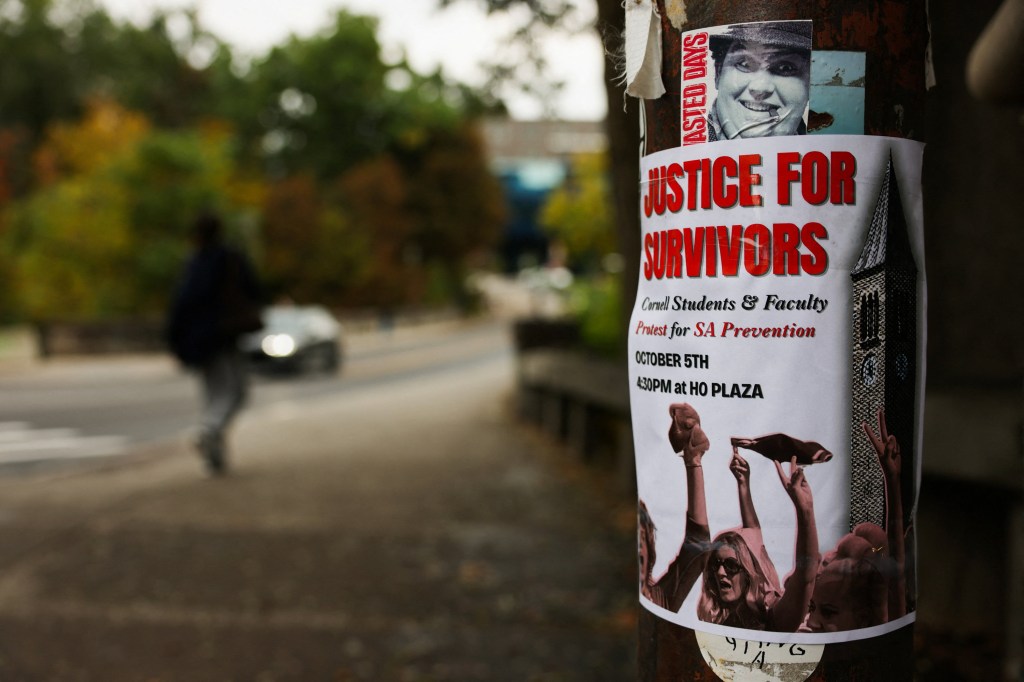
The case involves seven male Cornell students charged in connection with the alleged sexual assault of a female student at an off-campus fraternity house in Ithaca, New York, with the incident sparking national outrage after court documents detailed the woman’s account of being drugged and attacked.
Cornell University officials have not announced any new policy changes scheduled for this week.