

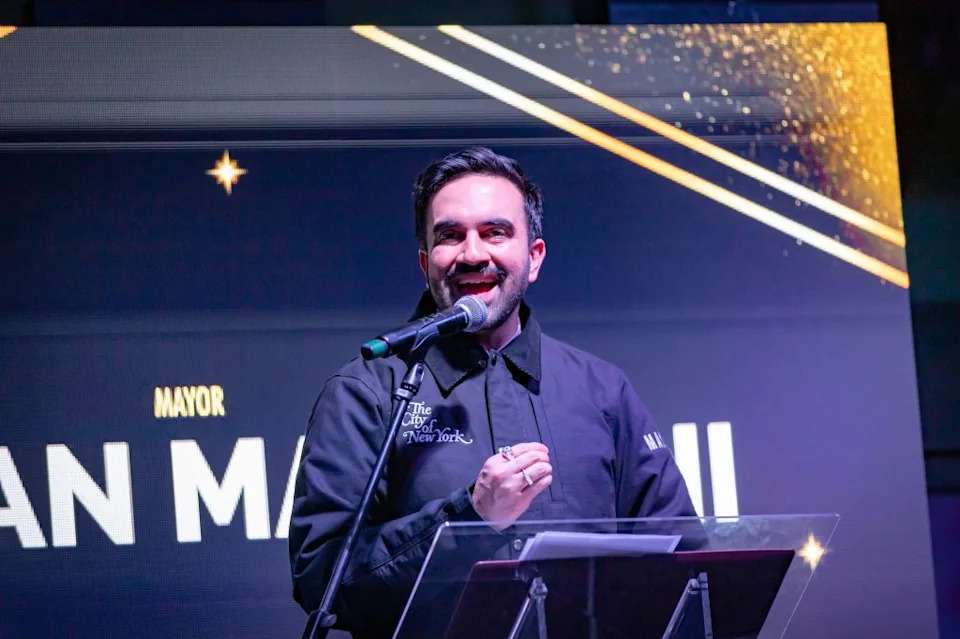
New York City Mayor Zohran Mamdani is developing a starkly different reputation behind closed doors than the one he projects to his millions of social media followers, according to political insiders who describe the democratic socialist leader as thin-skinned and hypersensitive to criticism.
The contrast between Mamdani’s carefully curated online persona and his actual behavior in private settings has become increasingly apparent to elected officials, political consultants, and other operatives who work directly with him. More than a dozen insiders recently detailed a pattern of behavior they characterize as retaliatory and emotionally reactive.
“I see more and more he cannot handle criticism, but mainly from elected officials who he thinks he can push around,” said one political consultant. “The mayor personally reaches out when electeds criticize him publicly. If they speak, then he cares. He cares because he doesn’t want bad press. It shows a sensitivity.”
Behind the scenes, sources say Mamdani badgers critics who publicly question him, harbors petty grudges against prominent politicians, and often selectively engages with communication only when he is upset about negative press coverage. Those who spoke with political observers asked to remain anonymous, citing concerns about crossing a mayor with whom they must regularly negotiate on matters of governance and policy.
The recent controversy involving Jewish community leaders provides a concrete example of this reported sensitivity. After city Jewish leaders called on Mamdani to stop what they described as inflaming tensions against Israel, following an antisemitic stabbing attack on the Upper West Side, the mayor personally contacted at least one elected official who had attended the news conference criticizing him.
The incident centered on a video Mamdani posted in which he called Israeli Prime Minister Benjamin Netanyahu a “war criminal” and described him as the architect of a genocide against Palestinians. Posted just days before the stabbing attack, the two-minute clip, delivered directly to camera with Mamdani seated at a desk with the American and New York City flags behind him, accumulated approximately 100 million views across social media platforms.
Mamdani’s response to the criticism from Jewish leaders reportedly upset him because their exhortation was connected to his Netanyahu video. Sources indicated he was bothered that community leaders had linked his rhetorical choices to the subsequent attack, viewing their call for him to moderate his language as criticism he found intolerable.
The mayor’s mastery of social media has been extensively documented and widely praised. Before taking office in January, Mamdani rose from relative obscurity to internet fame through carefully produced videos that projected an image of charisma, accessibility, and political conviction. His content strategy involved appearing in slick TikTok clips, filming viral moments in the city, and engaging with voters where they spent their time online. He accumulated over a million Instagram followers and hundreds of thousands on other platforms, ultimately defeating former New York Governor Andrew Cuomo in the mayoral primary.
Experts attributed Mamdani’s social media success not merely to his youth and digital fluency, but to his ability to convey authenticity and connection to working New Yorkers. His videos focused on policy substance while maintaining visual polish, discussing affordability and housing in ways that resonated with voters. The persona that emerged was one of an unflappable, good-natured young politician willing to take on entrenched interests.
The private behavior described by insiders suggests a significant departure from this public image. Sources characterize Mamdani as someone who becomes visibly irritated when confronted with criticism or when his actions generate negative headlines. His selective responsiveness to communications particularly when matters of press coverage are involved has struck multiple observers as indicating someone acutely sensitive to public perception and media narrative.
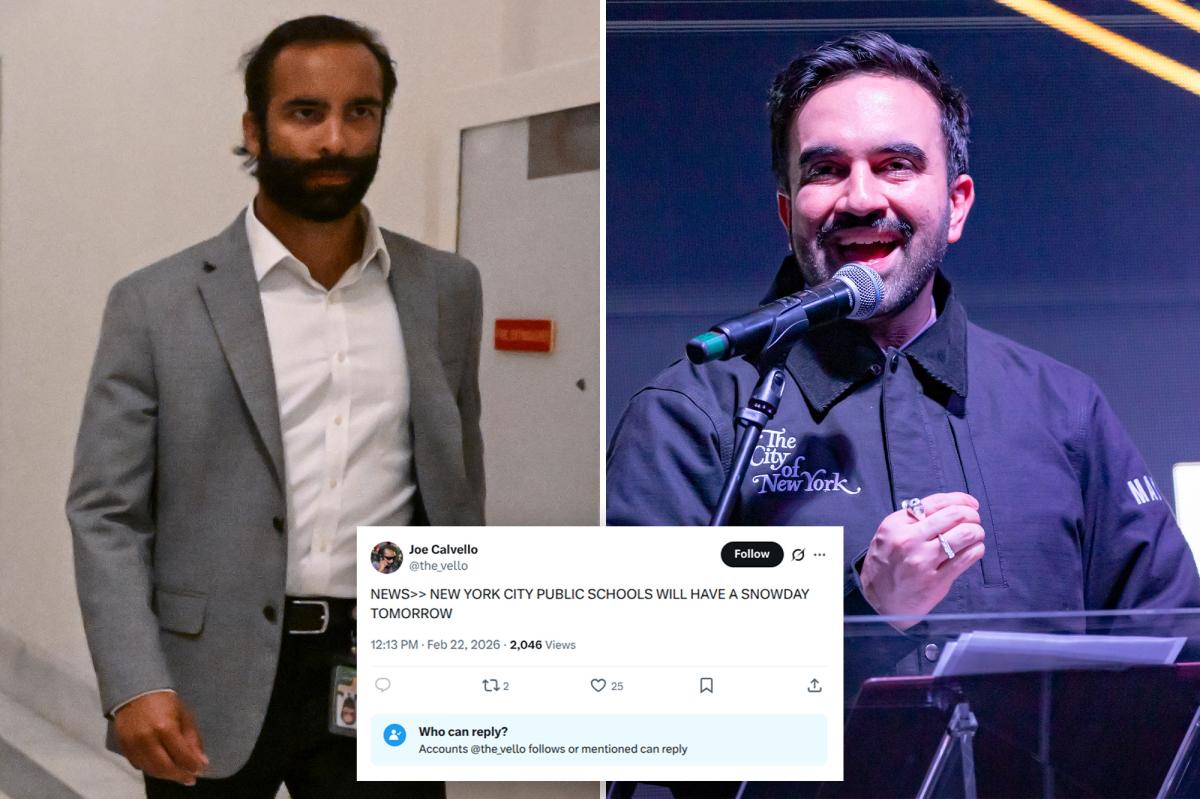
The political establishment figures interviewed noted they requested anonymity specifically to avoid potential friction with a mayor they must continue working with across multiple governance issues. The very fact that they felt compelled to hide their identities when discussing his personal behavior underscores the atmosphere they describe around Mamdani.
Throughout his tenure, Mamdani has faced considerable external criticism from various quarters. Jewish leaders have expressed concern about what they view as inflammatory rhetoric regarding Israel. Business groups have clashed with him over his policy initiatives. Moderate Democrats have criticized his endorsement of left-wing congressional candidates. Conservative outlets have run frequent critical coverage. Yet the accounts from insiders who regularly interact with Mamdani suggest the problem is not merely that he receives criticism, but how he personally processes and responds to it when it comes from political peers.
The emerging portrait from these sources reveals a mayor who appears to thrive on social media platforms where he can carefully control his message and image but struggles with the give-and-take of traditional politics, where he must face unscripted criticism from rival politicians and adversaries who refuse to play along with his carefully constructed public narrative.