

Investigators have uncovered the cause of a passenger aircraft malfunction that led to a dramatic drop in altitude during a domestic flight, prompting an intriguing hypothesis from space experts.
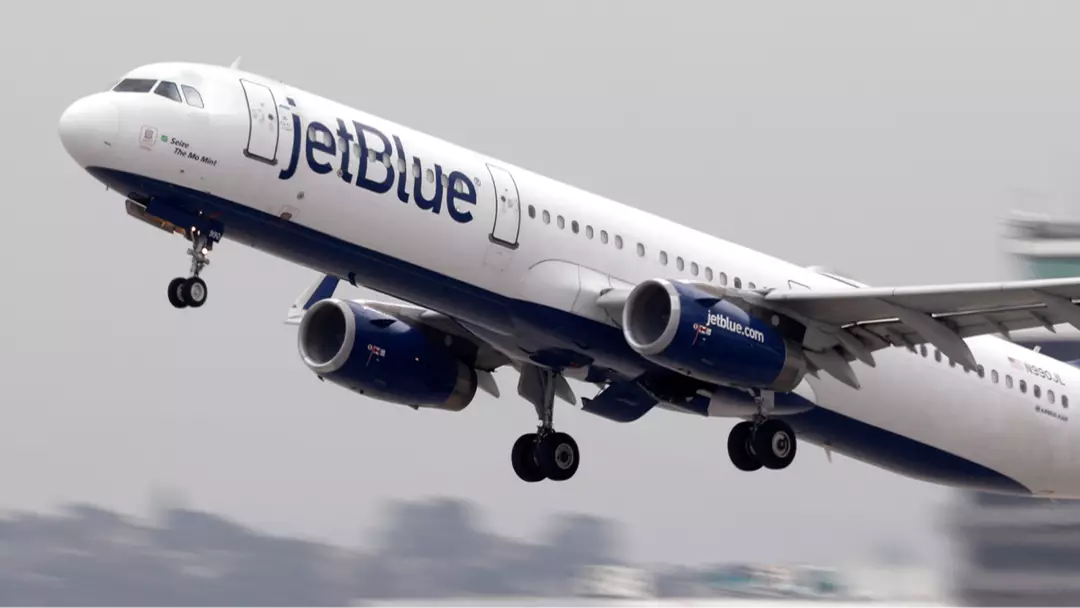
On October 30, a JetBlue Airbus A320 traveling from Cancun to Newark Liberty International Airport had to make an emergency landing in Florida. The incident occurred after the aircraft suddenly nosedived over 100 feet before the crew managed to regain control.
A post-flight investigation revealed that the A320’s Elevator & Aileron Computer (ELAC), responsible for controlling the plane’s pitch and roll, malfunctioned due to what Airbus described as ‘intense solar radiation’. This interference corrupted the ELAC’s memory, causing the aircraft to make an abrupt descent, injuring at least 15 passengers.
However, space experts suggest the damage was not due to solar radiation that day, which was at normal levels, but rather from a cosmic source far beyond our solar system.

Clive Dyer, a space weather expert from the University of Surrey in the UK, has long studied the effects of cosmic events on aircraft systems. He told space.com that the aircraft’s computer might have been hit by an intense cosmic ray that had traveled millions of years through space before impacting the JetBlue flight.
Dyer noted that such rays can interact with modern microelectronics, altering circuit states. “They can cause a simple bit flip, like a 0 to 1 or 1 to 0. They can mess up information and make things go wrong,” he explained. They can also cause hardware malfunctions by inducing a current in electronic devices, potentially burning them out.
These cosmic rays are believed to originate from supernova explosions occurring millions of light years away. Traveling through the universe at nearly the speed of light, they frequently collide with Earth’s atmosphere.
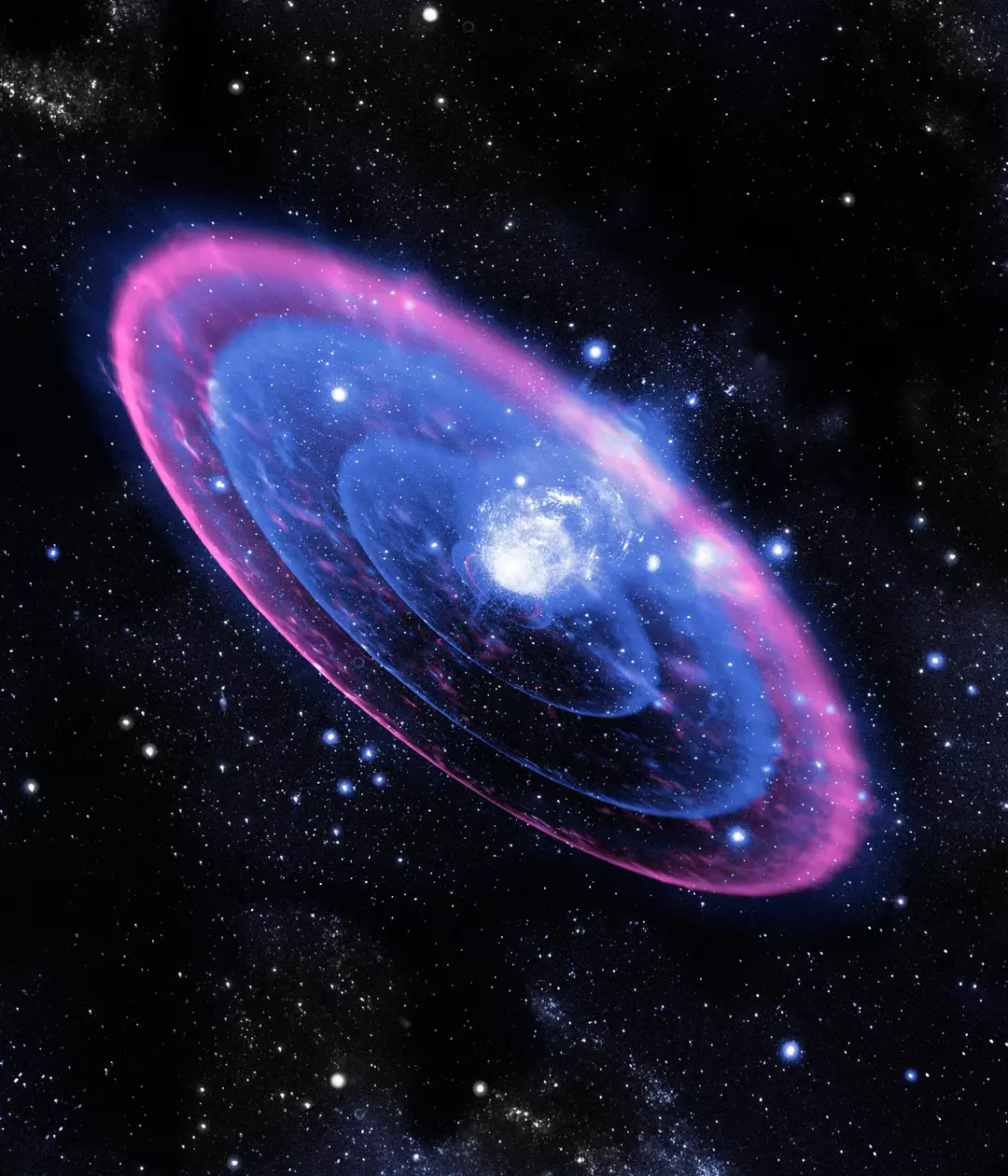
Upon reaching Earth, these rays break into smaller subatomic particles, such as muons, which can disrupt electronics as they pass through.
During solar flare events, the sun can emit intense radiation, increasing the number of subatomic muons and posing additional risks to aircraft electronics.
“You can get huge increases [in particle radiation] from the sun,” Dyer remarked. “A thousand times higher than cosmic rays, and then many aircraft could be bothered by it.”
Given the regular occurrence of such radiation, Dyer suggests that aircraft and avionics manufacturers take measures to prevent incidents like the JetBlue flight. He stated, “It’s down to manufacturers to produce hardy electronics, especially in safety critical units.” He also noted a potential issue with complacency over the past 20 years due to the absence of significant solar weather events.