

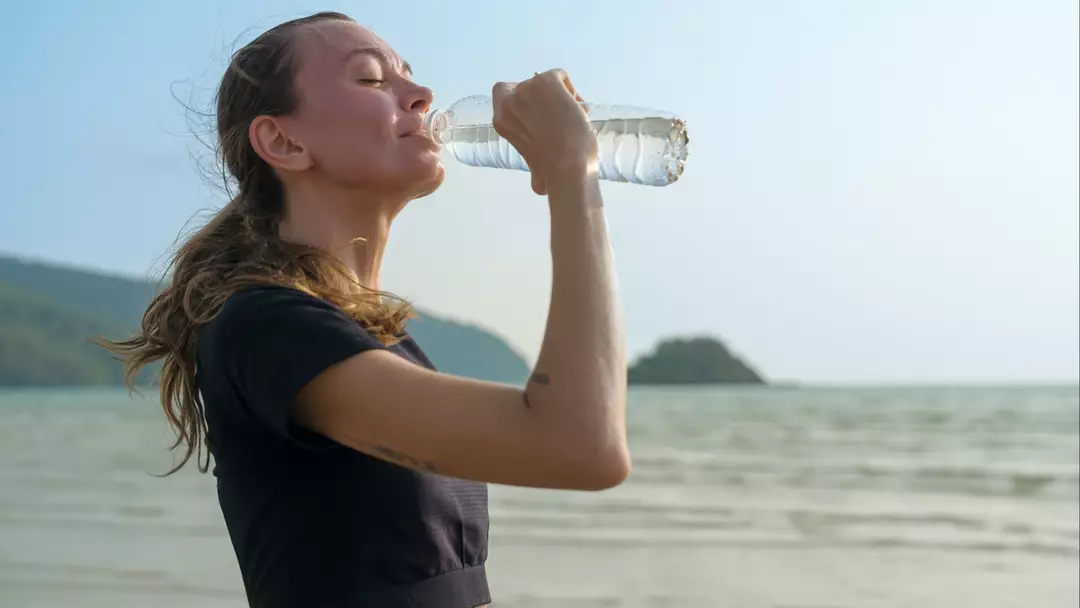
With a vast array of beverages available, we often forget the significance of drinking water.
Many people, including myself, tend to reach for coffee as the first drink of the day, often followed by several more cups.
You might opt for a soda during lunch and indulge in more coffee later, but it’s vital to prioritize water in our daily intake.
Despite being less flavorful, water is essential for health. According to the University of California, water is crucial for numerous bodily functions, such as delivering nutrients to cells, removing waste, safeguarding joints and organs, and regulating body temperature.
“Water should almost always be your go-to beverage,” the source advises. “Opt for it instead of sugary drinks like soda or juice, which are often high in simple sugars and calories.”
General guidelines suggest that men should consume about 13 cups of water daily, while women should aim for nine cups (ten if pregnant). But how does this requirement shift with age? Dr. Jonathan Webster provided insights to Metro Online.
Dr. Webster specifies that children within a certain age range should drink 1.2 liters per day, equating to six to eight 200ml glasses.
“Their bodies are still developing, and staying hydrated is vital for brain function, digestion, and temperature regulation,” Dr. Webster elaborated.

For teenagers between 14 and 18 years, boys should drink 1.6 to 1.9 liters daily, while girls should aim for 1.5 liters, according to Dr. Webster.
This age range is a critical growth period, so teens need more water to maintain energy levels, support metabolism, and assist muscle function.
Women under 60 should target 1.6 liters of water per day, with men advised to consume 2 liters.
“Adequate hydration aids in temperature regulation, kidney function, and concentration,” Dr. Webster noted.
It’s important to remember that factors like exercise, climate, and diet can affect personal hydration needs.
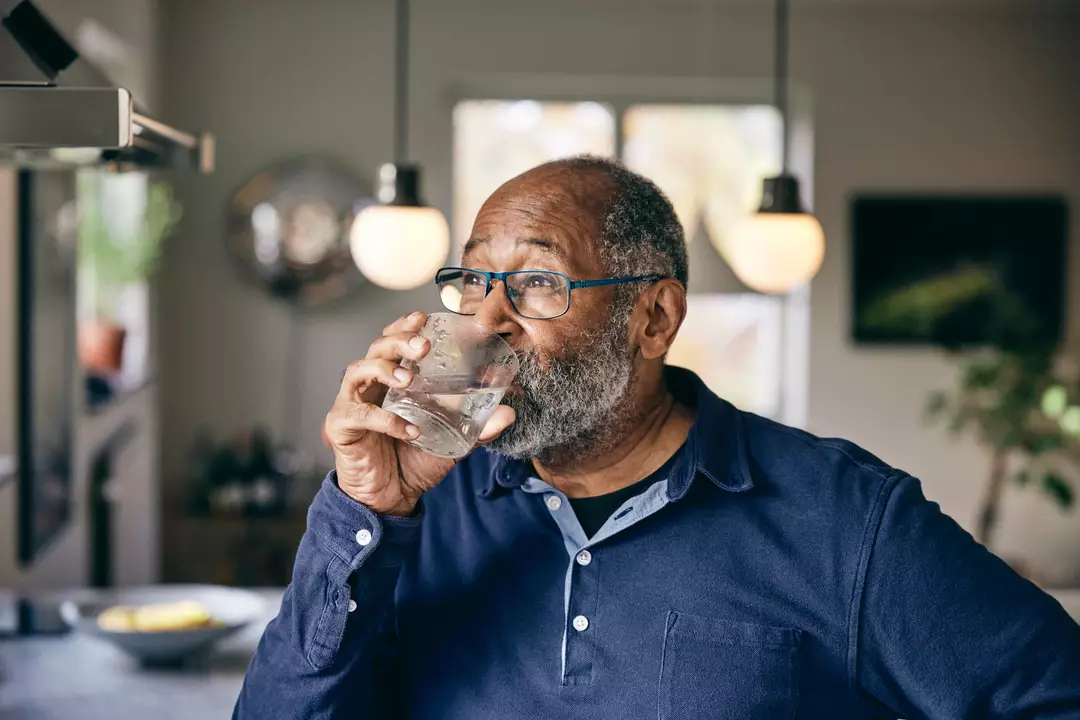
Individuals in this age group should also aim for 1.6 to 2 liters of water daily.
As people age, their sense of thirst diminishes, increasing the risk of dehydration in older adults.
Dehydration symptoms, as outlined by the Mayo Clinic, include reduced urination, dark urine, skin that doesn’t quickly return to normal after being pinched, fatigue, dizziness, confusion, and sunken eyes or cheeks.