

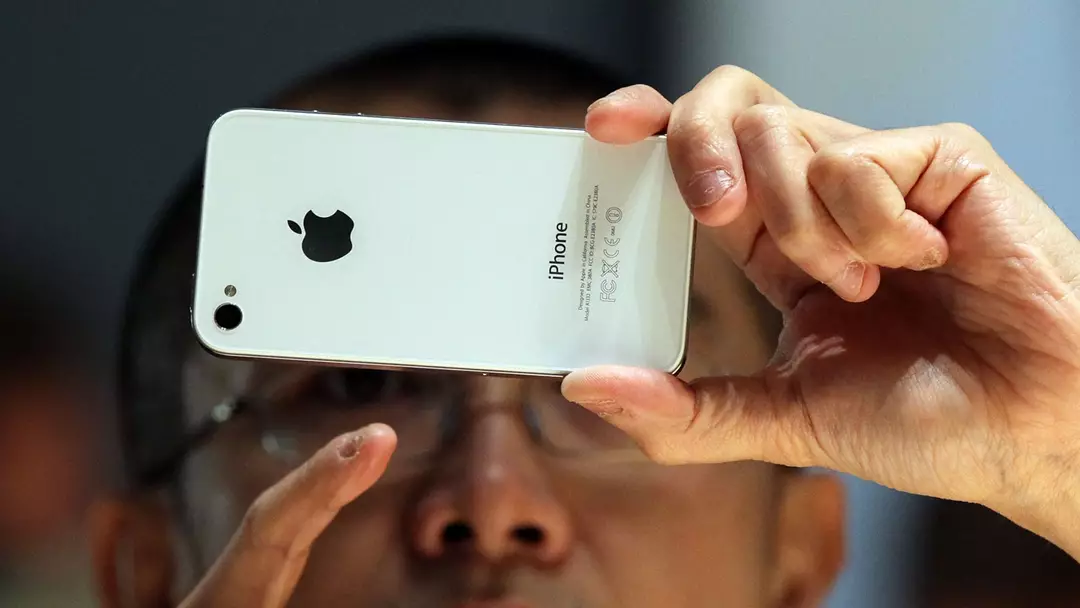
The iPhone 4 is experiencing a resurgence in popularity, yet a security expert has cautioned that this could lead to significant security vulnerabilities.
In the realm of technology, the iPhone stands out as a quintessential example of a groundbreaking innovation.
Despite the advanced features of the latest models, a growing trend among consumers is the preference for older versions of the iPhone.
Setting aside software and camera enhancements, the fundamental design of a touchscreen phone has remained largely unchanged since the inaugural model.
But what is driving the demand for these older iPhone models, to the extent that they are now fetching exceptionally high prices?
Nostalgia and the unique ‘feel’ of the device seem to be significant factors in this trend.
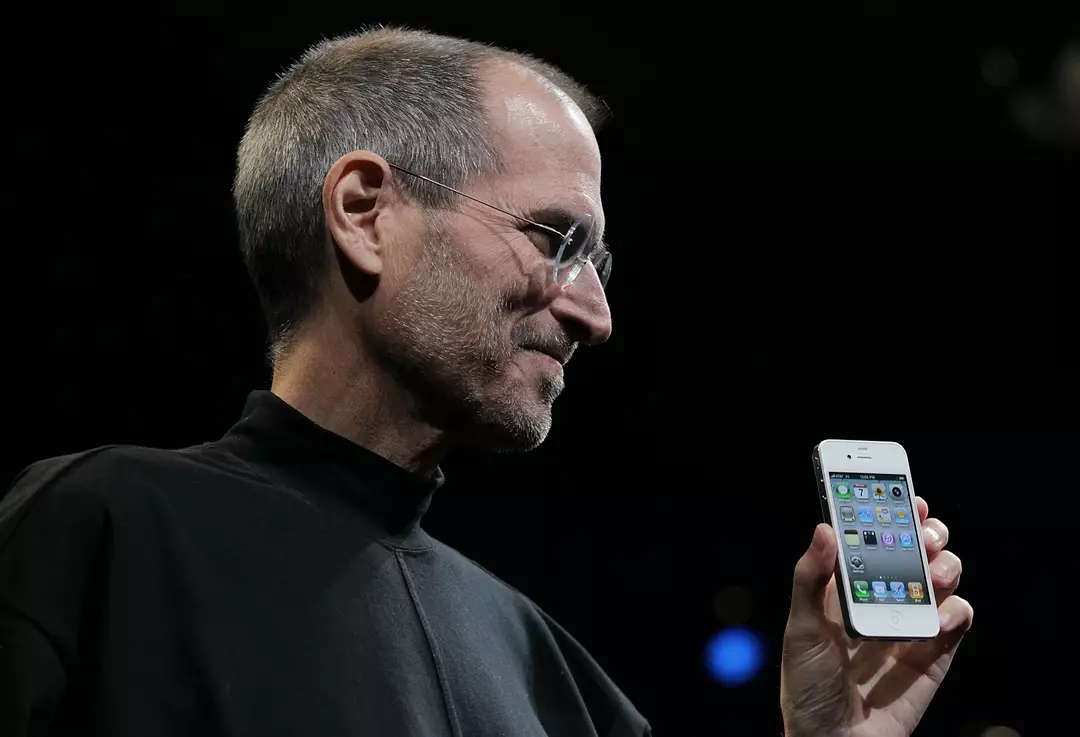
Some aficionados are repurposing it as a digital camera, expressing a preference for its lower picture quality over the ultra-high-resolution capabilities of modern phones.
GadgetHacks has referred to it as ‘a stylish throwback to simpler times,’ a sentiment that resonates as 2026 unfolds, leaving many yearning for nostalgia.
Yet, before rushing to platforms like eBay to invest thousands in a 16-year-old iPhone, it’s crucial to recognize potential security risks.
Lee Elliott, the chief product officer at tech recycling firm Compare and Recycle, highlighted that the outdated software on the iPhone 4 lacks the bug fixes and security updates available in later models.
He informed the New York Post: “The latest iOS version that the iPhone 4 can support is iOS 7.1.2 – a version released in 2014.
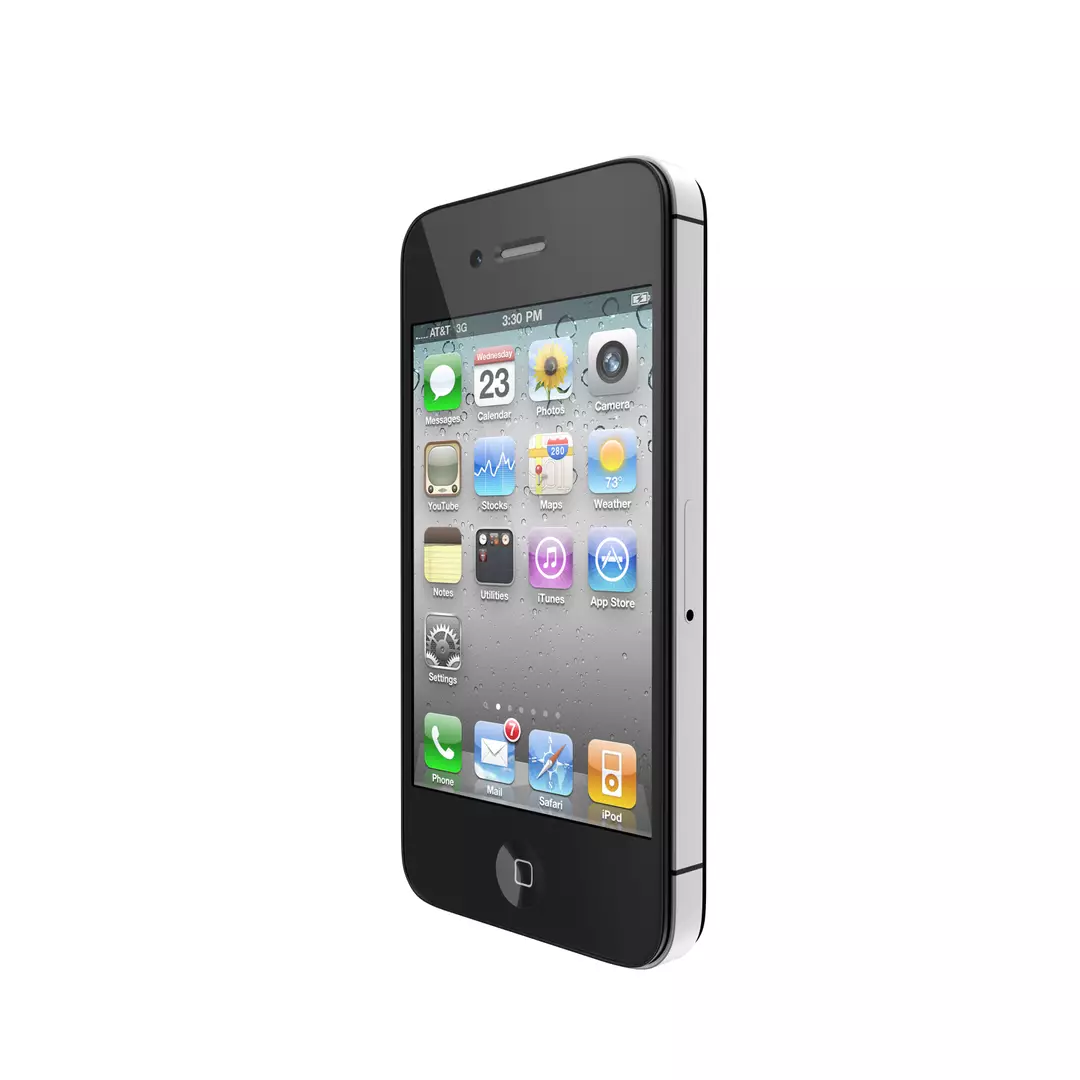
“That’s over a decade without updates or security fixes.
“Due to this, the iPhone 4 lacks the ability to safeguard personal data as effectively as more recent iPhones, exposing users to risks like data leaks, hacking, and other security breaches.”
Therefore, if you choose to invest in a phone that could legally order a beer in Germany, be cautious with the personal data you store on it.
This includes actions like logging into an Apple ID or using apps that require personal information.
If you’re simply using it as a camera, there’s no need to activate the phone features, as long as you’re willing to connect it to your computer to transfer photos, reminiscent of the year 2008.