

In Tennessee, a fungal outbreak has resulted in the death of one individual and has left 30 others seriously ill.
Officials from the health department have issued a warning as they work to trace the cause of these illnesses, attributed to histoplasmosis infections.
According to the Mayo Clinic, histoplasmosis is an illness caused by a fungus commonly found in bird and bat droppings.
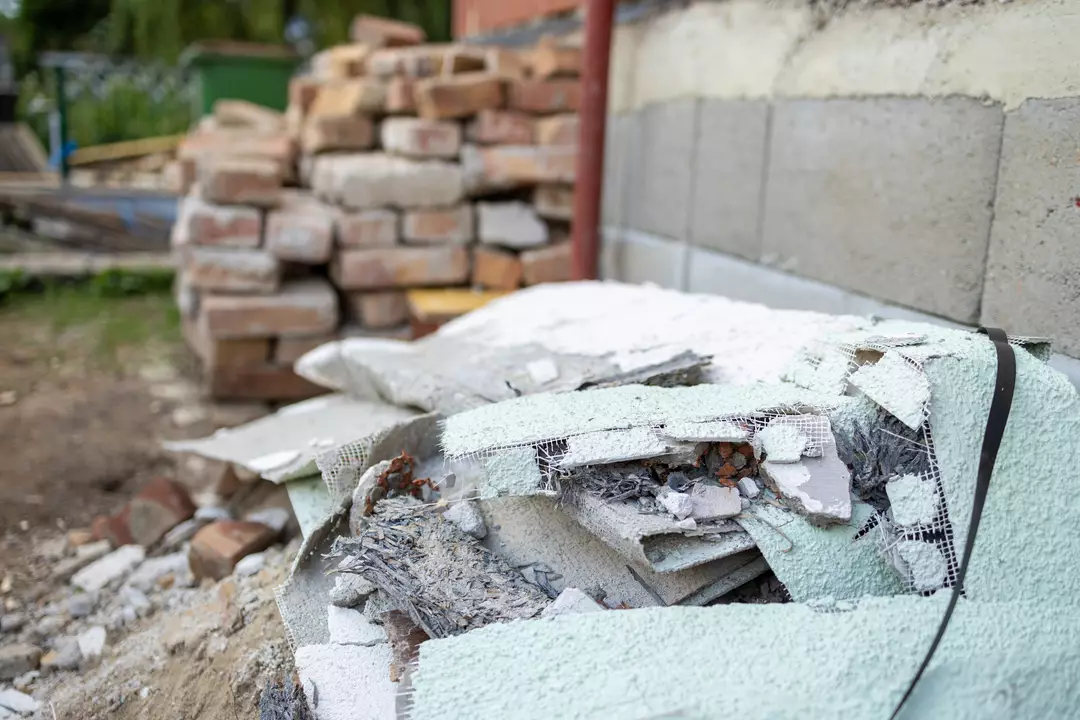
This infection occurs when people inhale the spores, often during activities like demolition or construction, especially when soil contaminated with droppings is disturbed.
Though many people may not show symptoms, the infection poses serious risks to infants and those with weakened immune systems.
Alyssia Brown succumbed to the infection in December after testing positive, while 14-year-old Eli Stinson has been battling the illness since Halloween.

“I think they drained half my blood it felt and nothing was coming back positive,” Eli shared with Denver7.
His mother, Cari, realized the potential cause after coming across an article about the fungal infection.
“Instantly, I was like oh my gosh, I bet this is what he has,” Cari explained.
“All the tests came back positive.
“I felt like the crazy mom I kept calling, but I knew he had it.
“I want people to know in Thompson’s Station, especially around this June Lake area, if your kid is sick, this isn’t a 7 to 10 day cold virus. It’s a bigger deal.
“… Something is happening right now to have all these cases with outbreaks.”
Symptoms of histoplasmosis may include:

In response to the outbreaks, state health officials stated, as reported by Denver7: “More than 30 histoplasmosis cases have been identified in Williamson & Maury Counties. The investigation is ongoing and a clear source of exposure has not been identified which is not uncommon for histoplasmosis.
“Histoplasmosis is commonly found throughout the soil in Tennessee, so it can be challenging to completely prevent exposure. People at highest risk of severe infection are those that are exposed to a large amount of spores and/or those with weakened immune systems. Individuals can reduce their potential exposure to histoplasmosis if they avoid activities that disturb the soil or increase exposure to plant matter or bird or bat droppings. This includes activities like cleaning chicken coops, exploring caves, cleaning, remodeling, or tearing down old buildings, landscaping or farming, and gardening or yardwork.
“If an individual feels that they are at high risk or want to mitigate their risk even further, they can consider wearing a protective mask like an N-95 while conducting higher risk activities.”