

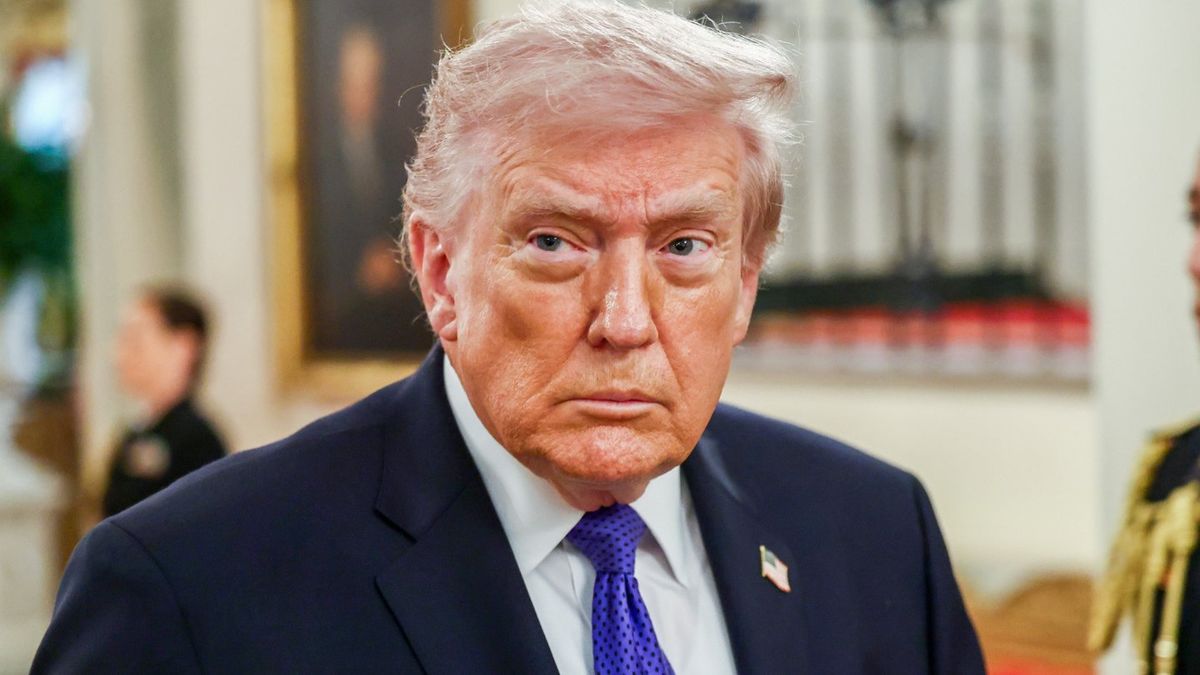
A possible war with Iran could carry a staggering price tag for the United States, after President Trump cautioned the fighting could last “far longer” than early estimates.
Not even a week after the first US-Israeli strikes on Iran, the financial impact is already being felt.
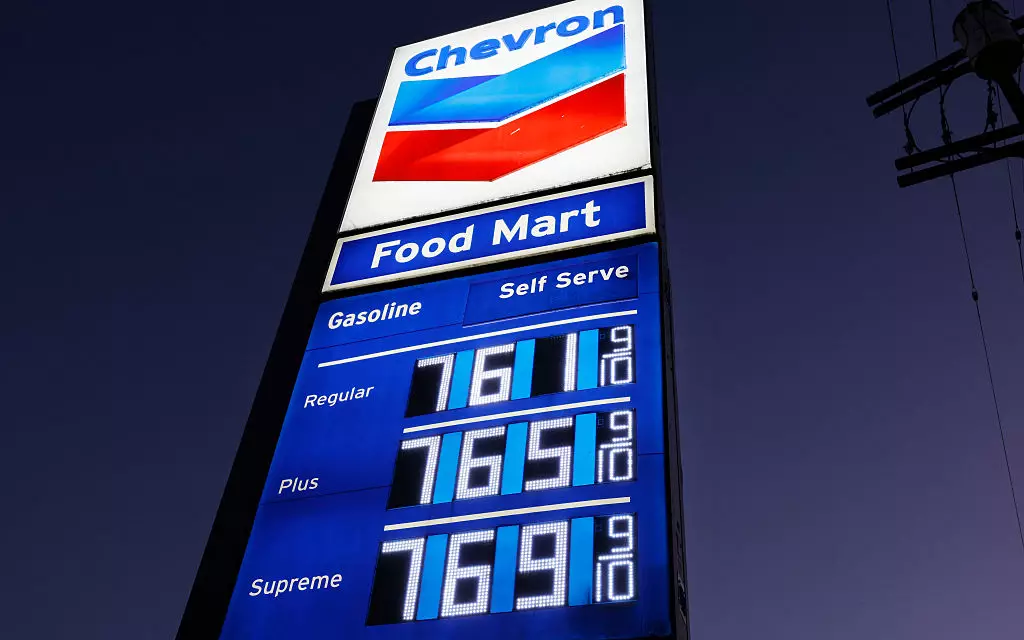
By March 4, USA Today reported that gas prices across the US had climbed by roughly 20 to 30 cents per gallon—an increase that has frustrated many drivers.
Beyond fuel, Goldman Sachs has projected inflation could reach 2.7 percent by May. But that bump may not last if the conflict ends quickly, JPMorgan Chase Chairman & CEO Jamie Dimon said while speaking to CNBC.
“If it’s not prolonged, it’s not going to be a major inflationary hit,” he shared. “Again, if it went on for a long time, that would be different.”

Trump has also suggested the timeline could stretch well past what was initially expected. While early projections reportedly put the combat phase at four to five weeks, the president has since said it might “go far longer than that,” pointing to the US military’s “capability” to sustain operations.
Even if the armed forces can maintain an extended campaign, the cost could weigh heavily on Americans at home.
In comments to Fortune, Kent Smetters—director of the Penn Wharton Budget Model (PWBM) and a leading fiscal analyst—estimated the overall cost of the war could climb as high as $210 billion.
Smetters said the lowest estimate for the direct budget hit is around $40 billion, though he also placed the upper end of that range at $95 billion.
PWBM’s central scenario puts the bill at about $65 billion, accounting for direct combat costs plus replenishing equipment, munitions, and other consumed supplies.
Smetters added that the longer the conflict continues—particularly if it extends beyond two months—the more those totals could rise.
He also projected additional economic damage to the US of about $115 billion, tied to the kind of disruption to trade, energy markets, and financial conditions that prolonged Middle East conflicts often trigger, Fortune reported.
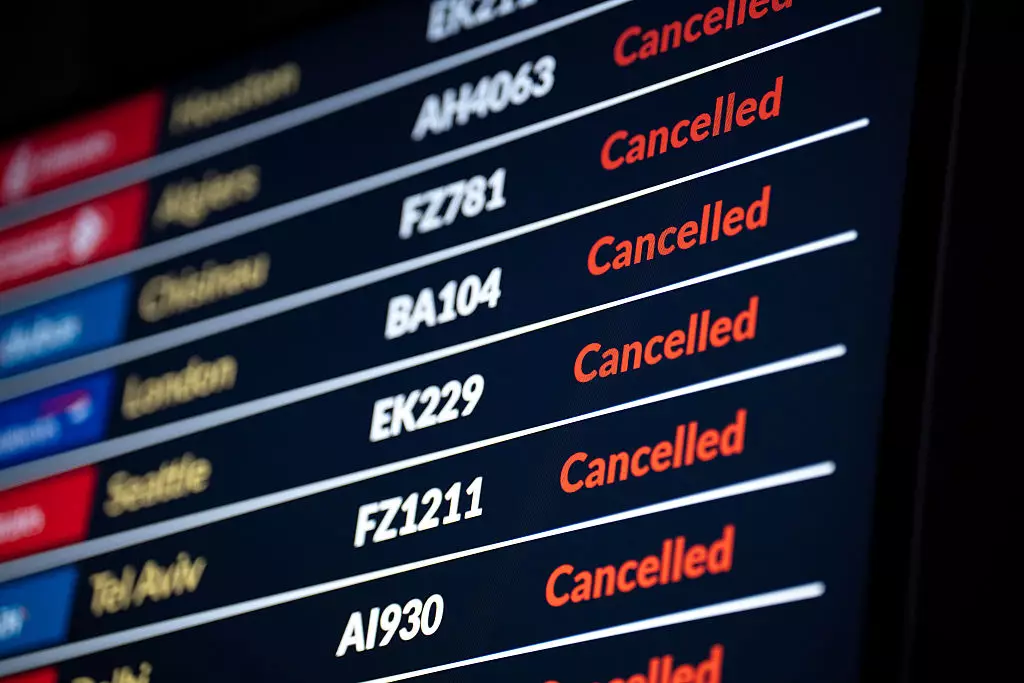
The knock-on effects have extended beyond markets, too, with travel across parts of the region thrown into chaos and some people unable to leave.
Travel blogger Alyssa Ramos, for example, has said she is currently stuck in Kuwait—one of the countries the US Department of State has advised Americans to leave.
So far, six US soldiers have reportedly been killed in the Iran conflict after an Iranian ‘unmanned aircraft system’ struck a US command centre at Port Shuaiba, Kuwait, on Sunday (March 1).
A source told CNN the strike happened around 9am local time, and that there was no warning or sirens beforehand.
Hours after the impact, parts of the building were still burning.
On Tuesday, the Pentagon released the names of four of those killed.
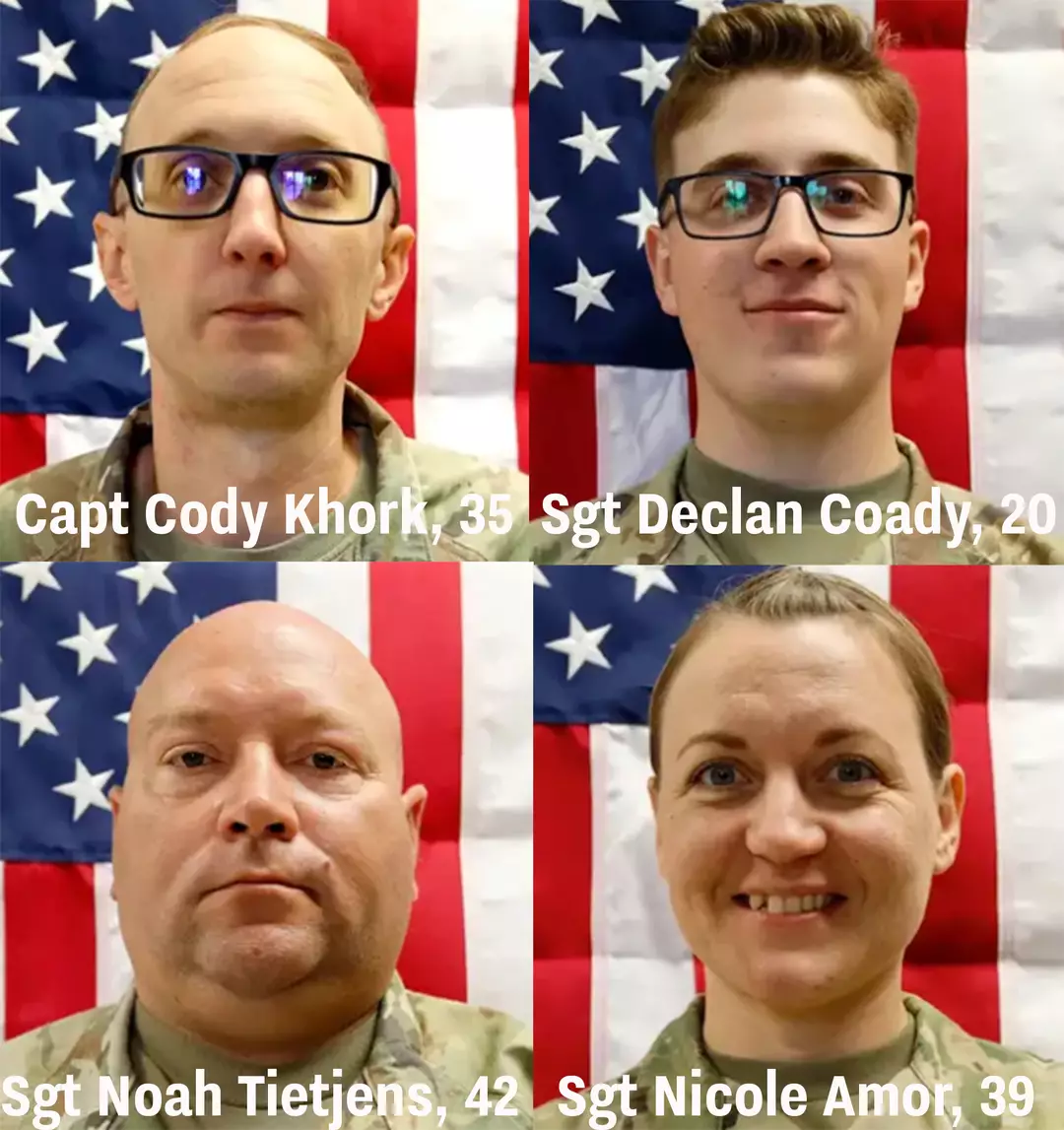
They have been identified as Capt Cody Khork, 35, Sgt Noah Tietjens, 42, Sgt Nicole Amor, 39, and Sgt Declan Coady, 20.
Lt. Gen. Robert Harter, Chief of Army Reserve and Commanding General U.S. Army Reserve Command, said: “On behalf of the Army Reserve, we express our heartfelt condolences to their families and loved ones.
“We remain steadfast in our commitment to honoring the legacy of our fallen and supporting their teammates and families during this difficult time.”