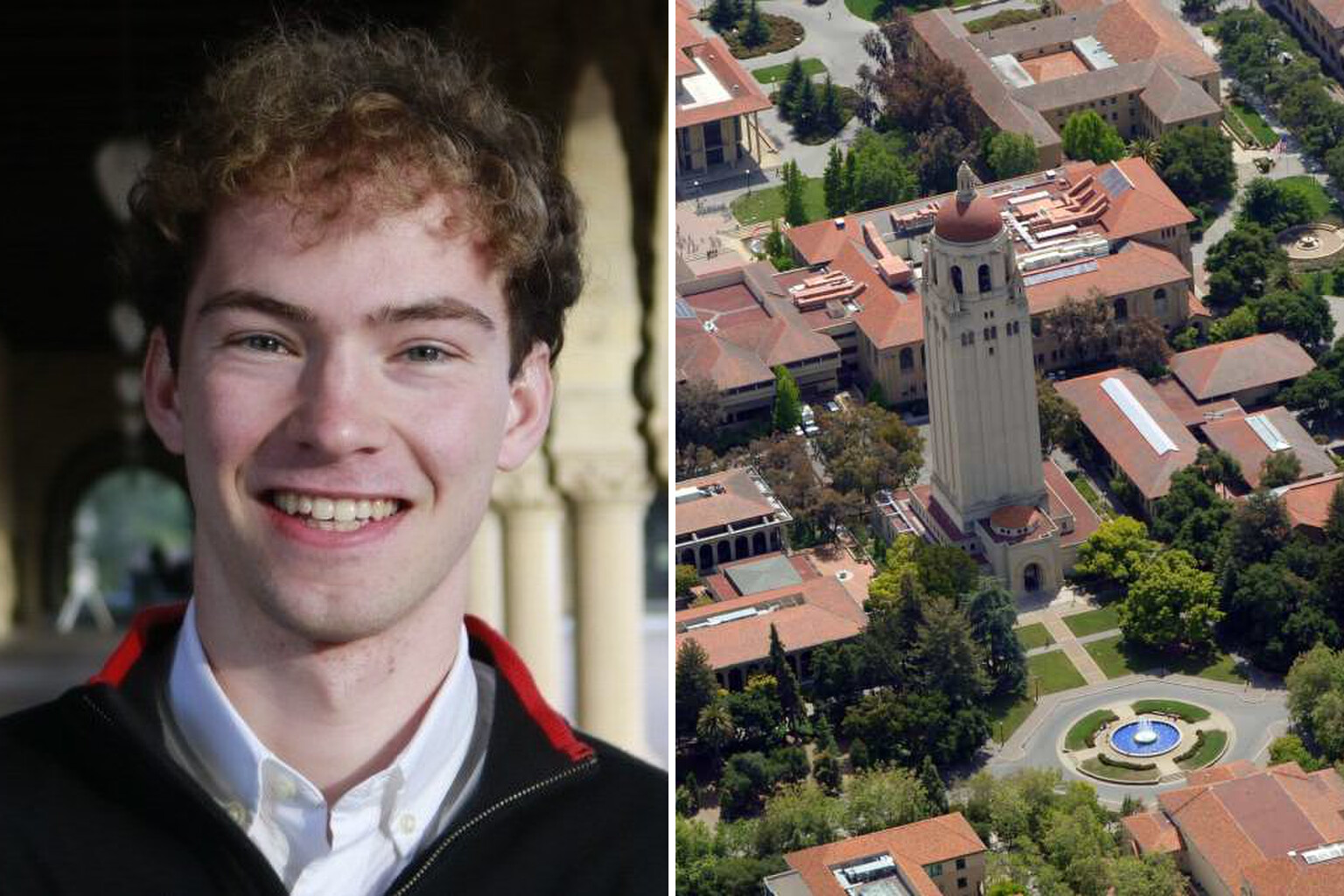
Leo Rossitter’s accuser has spoken out publicly for the first time in a scathing op-ed.
The 24-year-old Stanford economics and data science student, who faces felony sex charges, is currently employed by the NBA’s Minnesota Timberwolves as a business strategist according to his LinkedIn profile, a position he began in 2025. His return to campus this quarter after a two-year suspension has ignited fierce backlash from fellow students who say the university is prioritizing due process over survivor safety. Rossitter, a member of Stanford’s class of 2025, was suspended following an internal Title IX investigation into the assault allegations.
Rossitter was charged in October 2024 by the Santa Clara County District Attorney’s Office with rape of an intoxicated person, oral copulation of an intoxicated person, and penetration by force. He is scheduled to face trial next month, the Stanford Daily reported. His attorney, Daniel Barton, a Stanford Law School graduate who has practiced law since 1988, has maintained his client’s complete innocence.
“Since 2022, he has been defending himself against these false allegations both at the University and in court, and he will continue to defend his innocence,” Barton told the outlet. He added that his client “is not guilty of the horrible things that he is accused of.”

The woman at the center of the case published an op-ed in the Stanford Daily last month under the headline “A Stanford Jane Doe,” drawing deliberate parallels to a high-profile Cornell rape case. In it, she detailed what she described as systemic failures by both the university and law enforcement to act with urgency.
“When I was raped in my Stanford dorm room at 19, I too, like Cornell’s Jane Doe, thought that reporting it to Stanford and law enforcement would yield justice. It was their job to keep their community safe and hold others accountable, right?” she wrote.
“Like Jane Doe, I was met with negligence and apathy.”
The Daily reported that her claims of experiencing “months of silence” from the DA’s office were substantiated by emails, text messages, and documents she provided. The alleged attack, which she said left her bleeding and traumatized, occurred after Rossitter walked her home from a party and allegedly tried to kiss her multiple times before climbing onto her bed.

Pelagia Martin, a Stanford student graduating in 2027 and member of the campus group Resisting Rape Culture at Stanford, has been vocal in condemning the university’s decision to allow Rossitter back.
“The University is condoning rape at Stanford,” Martin stated. “There is 100 percent a public safety risk inviting known perpetrators like the defendant back onto our campus.”
Martin’s organization has joined a growing chorus of students revolting against accused rapists returning to campus while criminal proceedings remain pending. The movement reflects broader national tensions over how universities balance Title IX obligations with criminal justice timelines.

The accuser’s op-ed directly challenged Stanford’s disciplinary outcomes, questioning why academic dishonesty can result in expulsion while sexual assault allegations sometimes do not.
“I once believed, naively, that students’ suffering meant something to Stanford,” she wrote.
“Why is Stanford OK with giving degrees to people they recognize are rapists? Why can you be expelled for some forms of academic dishonesty but, apparently, not rape?”
Stanford spokesperson Angie Davis responded to the op-ed last month, acknowledging the protracted nature of the university’s process while defending its legal constraints.
“The process is designed to be careful and thorough, and many parts of it are dictated by federal law, but it can take too long,” Davis told the Daily.
Davis added that Stanford was “committed to finding opportunities to improve the process, from intake to hearing to outcome.”
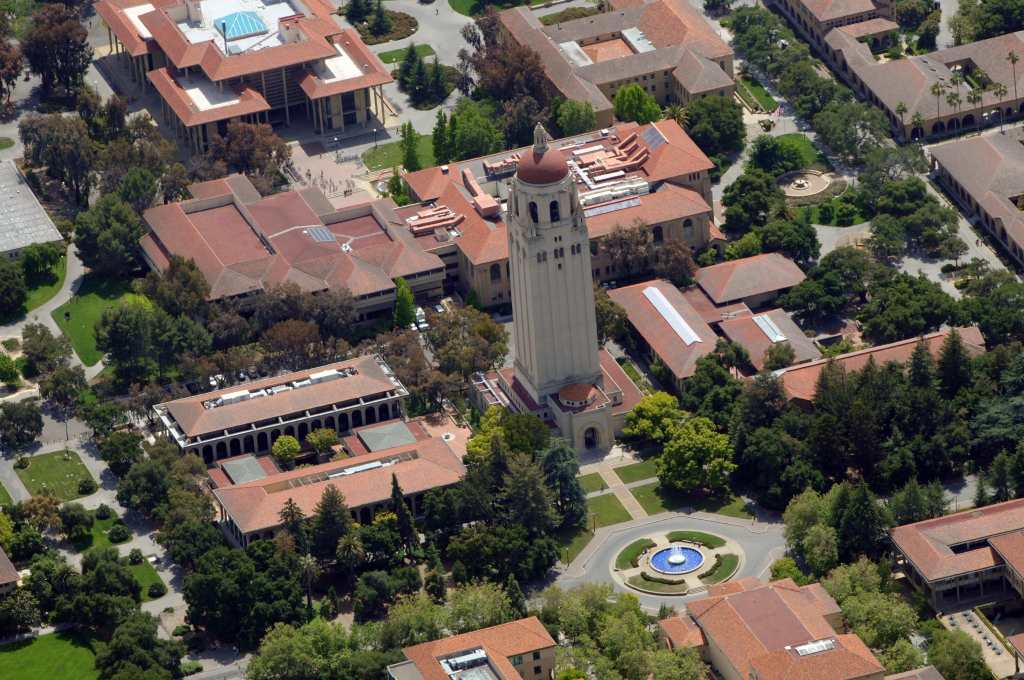
The case has resurfaced uncomfortable questions about institutional accountability at elite universities, where internal disciplinary processes often unfold parallel to criminal investigations with little coordination. The accuser’s op-ed explicitly cited this disconnect as a source of her frustration, noting that Stanford and the DA’s Office appeared to operate on separate timelines without meaningful communication.
Rossitter had not been publicly identified in media coverage until the recent Daily reporting. His two-year suspension, which made him eligible to return this quarter, was imposed through Stanford’s Title IX process rather than any criminal conviction. The university has not indicated whether additional interim measures will be implemented as his trial approaches.