

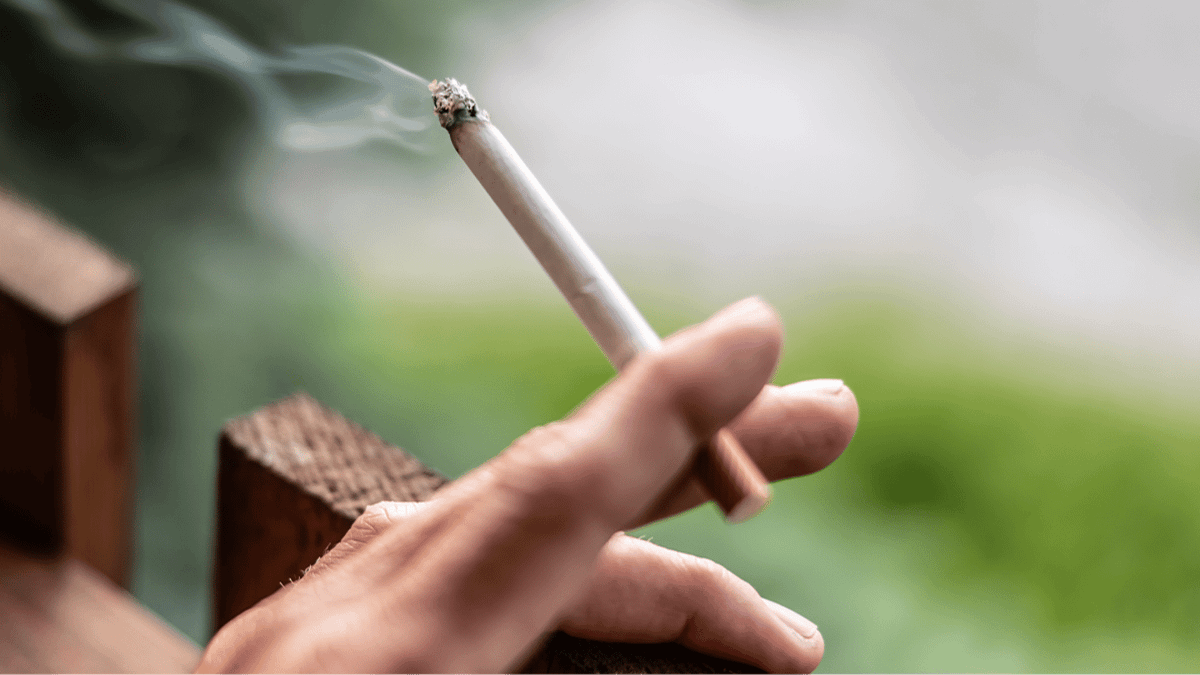
By 2026, most people recognise that smoking is harmful.
Pick almost any organ or body system, and a medical professional could explain the ways tobacco smoke can damage it.
With long-term use, tar can accumulate in the lungs and contribute to what’s commonly called ‘smoker’s cough’.
Smoking is also linked with increased blood pressure, elevated cholesterol, and a higher risk of heart disease.
On top of that, there’s the well-established association between smoking and lung cancer, along with several other cancers.
In short, smoking carries serious health costs, regardless of how it might look.
But while the dangers of regular smoking are widely understood, some people still wonder what happens if you only take a single puff.

According to a 704-page report, How Tobacco Smoke Causes Disease, published by the US Surgeon General’s Office, tobacco’s effects aren’t limited to heavy or long-term use — harm can begin immediately.
Many people who have tried smoking remember how the first inhale made them cough and splutter.
That reaction happens as the smoke irritates the nose and oesophagus, and it can also lead to dry mouth and bad breath because smoke disrupts the healthy bacteria in the mouth.
Within roughly 20 minutes, nicotine entering the bloodstream can raise heart rate and blood pressure, while also dulling the sense of smell.
If you stopped right after that one puff, it may take around 48 hours for nicotine and carbon monoxide to begin clearing out of your body.
During that time, the lungs can start moving out the extra mucus produced as a defence mechanism, and taste and smell may begin to improve.

If smoking continues beyond that first try, additional effects often become more noticeable.
As time goes on, tar can stain teeth and fingers, sometimes leaving a yellowish discolouration.
Ongoing exposure can also interfere with taste and smell, meaning food and drink may seem less flavourful than they once did.
Cigarette smoke contains thousands of chemicals, many of which are harmful, and repeated exposure increases the long-term risk of conditions such as cancer and cardiovascular disease.
The positive news is that stopping can lead to benefits quickly, with the body beginning to recover soon after quitting.
If you need support and advice about quitting smoking, go to the American Lung Association’s ‘Freedom from Smoking’ website where you can access resources and speak to professionals.