


As consumers continue to grapple with rising medication costs, state lawmakers across the nation are taking aim at the companies that manage prescription drug benefits for health insurers. Pharmacy benefit managers, or PBMs, have become the focus of an unprecedented wave of state legislation designed to lower drug prices and increase transparency in how these middlemen operate.
The scope of this effort is remarkable. All 50 states have now enacted at least one law regulating pharmacy benefit managers, with more than 220 laws enacted in total since 2016. In 2025 alone, 26 states passed new legislation targeting PBM practices, continuing a trend that shows no signs of slowing down. Between 2017 and 2025, laws regulating PBMs accounted for more than half of all enacted prescription drug legislation across the country.
The reason states are so focused on PBMs is straightforward: these companies wield enormous power in the drug supply chain. A small handful of firms dominate the industry. Three major companies—CVS Caremark, Express Scripts, and OptumRx—manage approximately 80 percent of all prescription drug claims across the nation. These intermediaries negotiate rebates with drug manufacturers, process claims, develop pharmacy networks, and decide which medications will be covered under health plans. Despite their role as “middlemen,” they have faced years of criticism for practices that many argue inflate costs rather than reduce them.
Among the most aggressive state actions this year was Arkansas’s ban on PBMs owning pharmacies, enacted through House Bill 1150. The law represents the first state prohibition of its kind and aims to prevent conflicts of interest when companies that manage pharmacy benefits also operate retail pharmacies. However, the law currently faces legal challenges, with a preliminary injunction temporarily blocking its enforcement after major PBMs challenged its constitutionality.
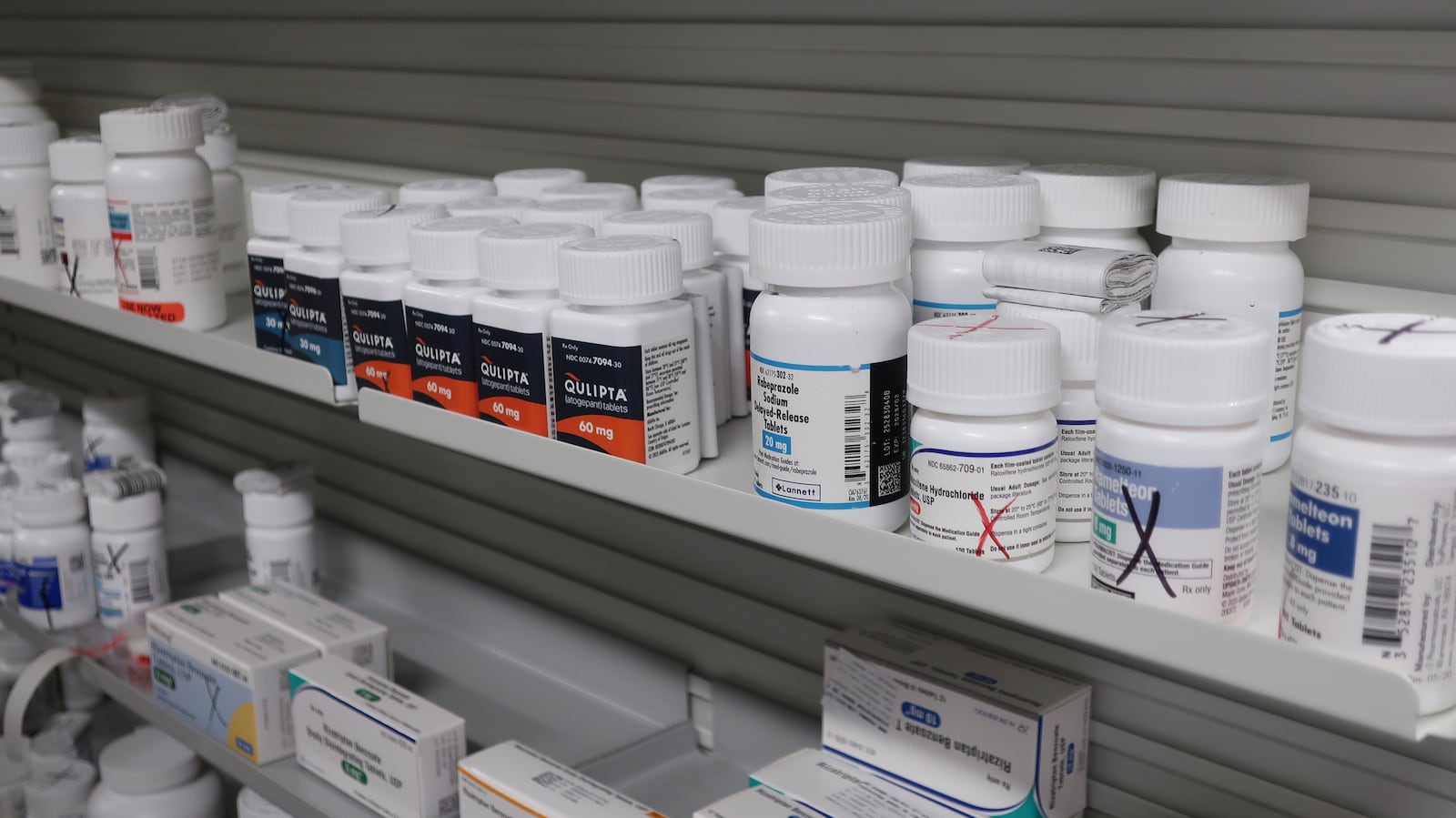
Tennessee has pursued a similar but narrowly tailored approach. The state enacted a law that will bar pharmacy benefit managers from operating retail pharmacies as of July 1, 2028. CVS Health has filed a federal lawsuit attempting to avoid having to close its 136 pharmacies in the state, underscoring the high stakes of this regulatory battle for one of the nation’s largest corporations.
State approaches to PBM reform have varied widely, reflecting different legislative priorities. Several states have focused on transparency and reporting requirements. Massachusetts enacted comprehensive PBM licensing and transparency legislation requiring detailed registration, reporting, and oversight mechanisms. California passed a “delinking” law prohibiting PBM compensation from being tied to drug prices and instead requiring flat-fee models to remove incentives for favoring expensive medications. Colorado enacted similar delinking legislation, signaling a broader trend toward restructuring how PBMs are paid.
Other states have targeted the practice of “spread pricing,” where a PBM charges a health plan more for a drug than it pays to the pharmacy, pocketing the difference as profit. Multiple states, including Iowa, Idaho, Vermont, and Washington, have enacted laws prohibiting or restricting this practice. Several states, including Utah, have implemented rebate pass-through requirements, forcing PBMs to ensure that drug rebate savings directly benefit consumers rather than increasing company profits alone.
Many states have also set minimum reimbursement rates for independent pharmacies. Kansas enacted a law requiring PBMs to pay a $10.50 dispensing fee per prescription, while Louisiana imposed an $11.81 dispensing fee. These provisions aim to help independent pharmacies survive in an environment where they have complained of receiving reimbursements below their costs to acquire and dispense medications.

Independent pharmacists have been vocal advocates for these reforms. Some have warned that without better reimbursement rates, their businesses face closure, particularly in rural communities where pharmacies serve as essential access points for medications. One independent pharmacy operator in Kansas reported losing money on 86 percent of the prescriptions she filled, relying instead on non-pharmacy items to offset those losses. For many independent pharmacy owners, state regulatory efforts represent a lifeline.
The industry itself has pushed back forcefully. CVS Health has spent millions of dollars fighting state regulations, including $4 million in advertising opposing Tennessee’s pharmacy ownership ban. CVS also settled three lawsuits filed by Louisiana in which the state accused it of unfair trade and deceptive practices in lobbying against legislation, agreeing to pay $45 million without acknowledging wrongdoing.
PBMs argue that they serve an essential function in the pharmaceutical supply chain. The industry contends that PBMs negotiate rebates that lead to significant savings for payers and patients. According to industry estimates, PBMs save payers and patients approximately $1,154 per person annually through rebate negotiations. The industry also points out that the use of generic drugs now accounts for 90 percent of U.S. Prescriptions, a shift the industry credits to PBM efforts to steer patients toward lower-cost alternatives.
Despite federal inaction in recent years, momentum for PBM reform has accelerated at the state level. The patchwork of state laws, however, has created compliance challenges for PBMs and health plans operating across multiple jurisdictions. Some PBMs have faced legal challenges based on federal ERISA preemption concerns, with some state restrictions facing injunctions in federal court. This legal uncertainty has not deterred state legislatures from advancing new proposals.

The issues driving state action are particularly acute for small-town communities and rural areas. In southeastern Kansas, residents expressed concern that aggressive regulation of PBMs could make it harder to access local pharmacies, forcing people to travel significant distances for medications. Meanwhile, in urban and suburban areas, consumer advocates argue that PBM practices have directly contributed to unaffordable prescription drugs.
The fact that medication costs remain a top concern for voters has made PBM regulation a bipartisan legislative priority. Some state lawmakers have been open about their role in the pharmacy industry, yet they have still advanced legislation aimed at curbing PBM practices they view as harmful to patients and competitors. This reflects a growing consensus across the political spectrum that change is necessary, even though the specific reforms proposed vary significantly by state.
Looking ahead, states show no sign of stepping back from PBM regulation. In 2026, additional states are advancing new legislation targeting PBM practices, focusing on areas like transparency, compensation models, and pharmacy ownership restrictions. The federal government has also recently stepped in, with Congress enacting comprehensive PBM reforms in February 2026 as part of the Consolidated Appropriations Act. These federal reforms include requirements for 100 percent rebate pass-through, increased transparency reporting, and changes to how PBMs can be compensated in Medicare programs.
Whether state and federal efforts will ultimately succeed in lowering drug prices remains to be seen. Some policy experts note that transparency and rebate requirements alone may not directly reduce what patients pay out of pocket, since copayments are often based on drug list prices rather than the net prices PBMs negotiate. Nonetheless, state lawmakers view their actions as necessary steps toward a more transparent and competitive pharmacy benefit system that serves patients rather than enriching middlemen.