

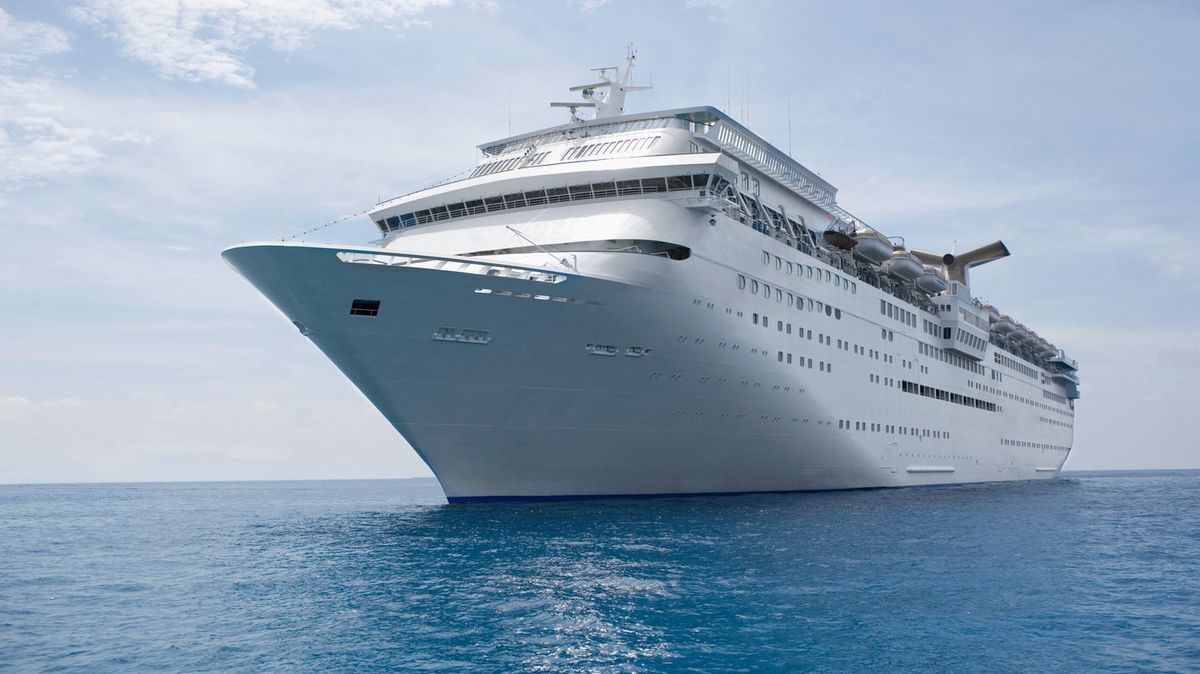
To a lot of travelers, a cruise is the definition of a stress-free getaway: meals included, entertainment on tap, and staff on hand to take care of the details.
It’s an easy way to switch off — spending days at sea in a setting that feels like part luxury hotel, part floating resort.
What most people don’t factor into that picture is the possibility of someone dying while the ship is far from shore.
That raises a practical question: if a death happens mid-voyage, miles from the nearest port, what can the crew actually do — and where is the body kept?
A wrongful death claim involving Royal Caribbean has drawn attention to how these situations are handled onboard.
The cruise company is facing legal action from the family of Michael Virgil, who died while traveling on Navigator Of The Seas.
The lawsuit alleges that staff served Michael 33 drinks in December 2024, and that this contributed to his death.
The filing also claims that after Michael was pronounced dead, crew members did not follow requests from his fiancée, Connie Aguilar, to return to Long Beach, California.
It further alleges that the 35-year-old father from California was placed into a refrigerator before the ship continued on its itinerary.
Royal Caribbean have been approached for comment.
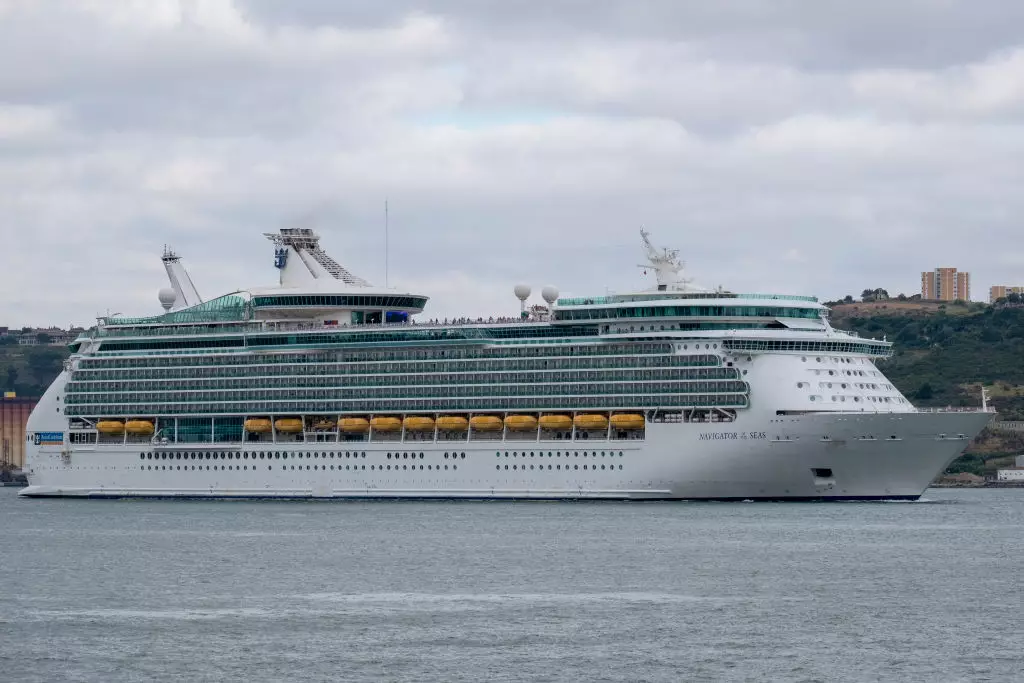
The Points Guy has previously reported that many cruise ships have morgues onboard, typically located out of public view, for use in worst-case scenarios at sea.
They said: “Yes, there are morgues on most of the world’s largest cruise ships. The larger the ship, the larger the morgue’s capacity.
“Vessels are also required to carry body bags.
“Cruise morgues are stainless steel refrigerated rooms with shelves where bodies are stored, either until the end of the voyage or until they can be disembarked in a port of call and repatriated.”
There are also reported code phrases that can hint at what’s happening behind the scenes.
“Operation Bright Star” is used to indicate a medical emergency, while “Operation Rising Star” is said to mean a passenger has died.
One academic review, published in the International Journal of Travel Medicine and Global Health, examined deaths on cruise ships and recorded 623 over a nine-year span from 2000 to 2019.
In that data, 11 percent of the deaths were crew members and 89 percent were passengers.
Regulations generally require cruise ships to have medical staff onboard, along with facilities intended to deal with urgent situations — commonly including an exam room and an intensive care area.
When a death occurs, the onboard doctor is expected to notify the person’s travel companions, or, if they were traveling alone, their next of kin.
The death is then logged officially, and the country where the ship is registered typically has jurisdiction over the process that follows.
If the circumstances appear suspicious, onboard security may begin initial steps before the matter is handed to authorities at the next port.
Under the US Cruise Vessel Security and Safety Act, ships that dock within US territory are expected to report certain potentially criminal incidents to US law enforcement.

Performer Dara Tucker, who previously worked on cruise ships, has also claimed there can be an unusual sign something has gone wrong: an unplanned ice cream event.
She said: “If the crew suddenly makes a bunch of ice cream available to the passengers, it’s often because more people have died on the ship than they have room for in the morgue.
“I was a singer on a cruise ship about 10 years ago, and I lived on a ship in the Mediterranean and the Caribbean for about six months.
“Thankfully, we didn’t have to deal with this kind of stuff, but we were friends with some crew members who did, and they said maybe four to ten people die every cruise.”
Tucker suggested those figures may be influenced by cruise demographics, with many ships hosting a significant number of older guests.
Dara continued: “So four to ten people on a ship like ours that carried maybe 2,500 to 3,000 passengers on a typical cruise, four to 10 people would die.
“So the morgue, I believe they said, held about seven people.
“And if more than seven people died on that particular ship, they would have to start moving bodies to the freezer, which meant they needed to make room in the freezer.
“So they would have to take out a lot of the ice cream and other frozen goods in order to make room for the extra bodies.”