

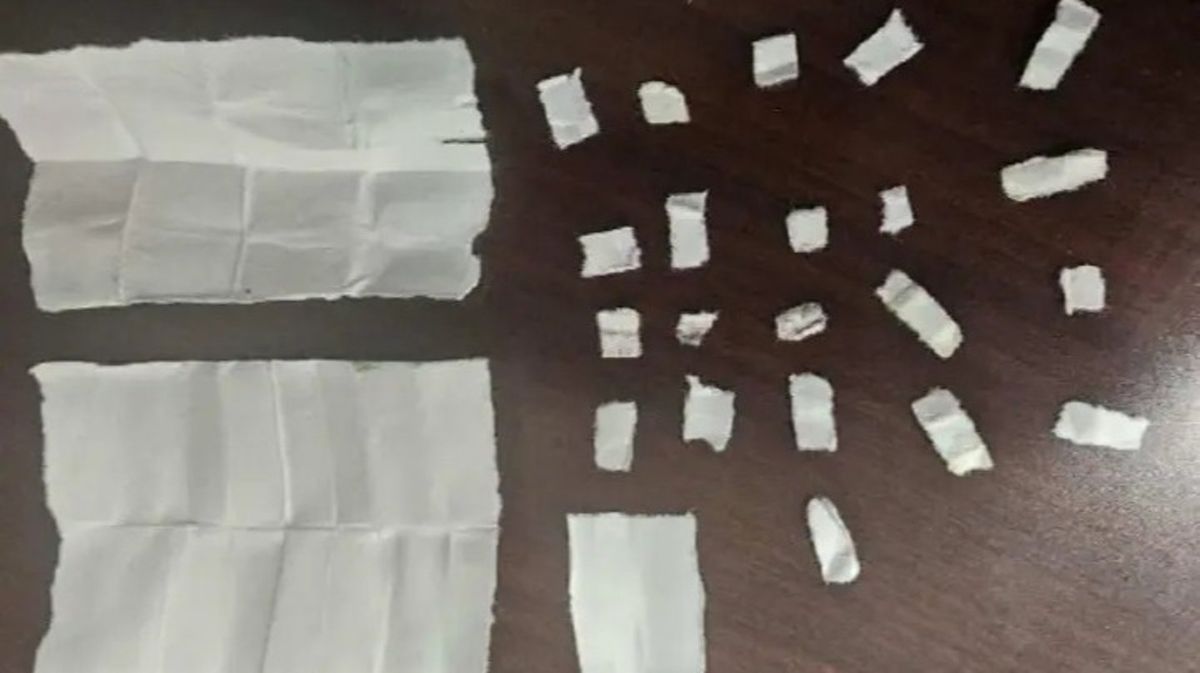
Officials say a disturbing new drug method is behind a cluster of sudden deaths at a Chicago jail.
At the Cook County Correctional Facility, multiple inmates died under strikingly similar circumstances, prompting investigators to look for a common link.
One of the first cases involved Thomas Diskin, 57, who was discovered unresponsive in his cell in January 2023. With no obvious signs of violence or an apparent accident, staff were left without a clear explanation for what caused his death.
What did stand out, however, was debris scattered around the cell: tiny, burned-looking strips of paper.
Brad Curry, the facility’s chief of staff, said the discovery stood out enough that he pushed for the paper to be analyzed to see ‘what’s going on’.
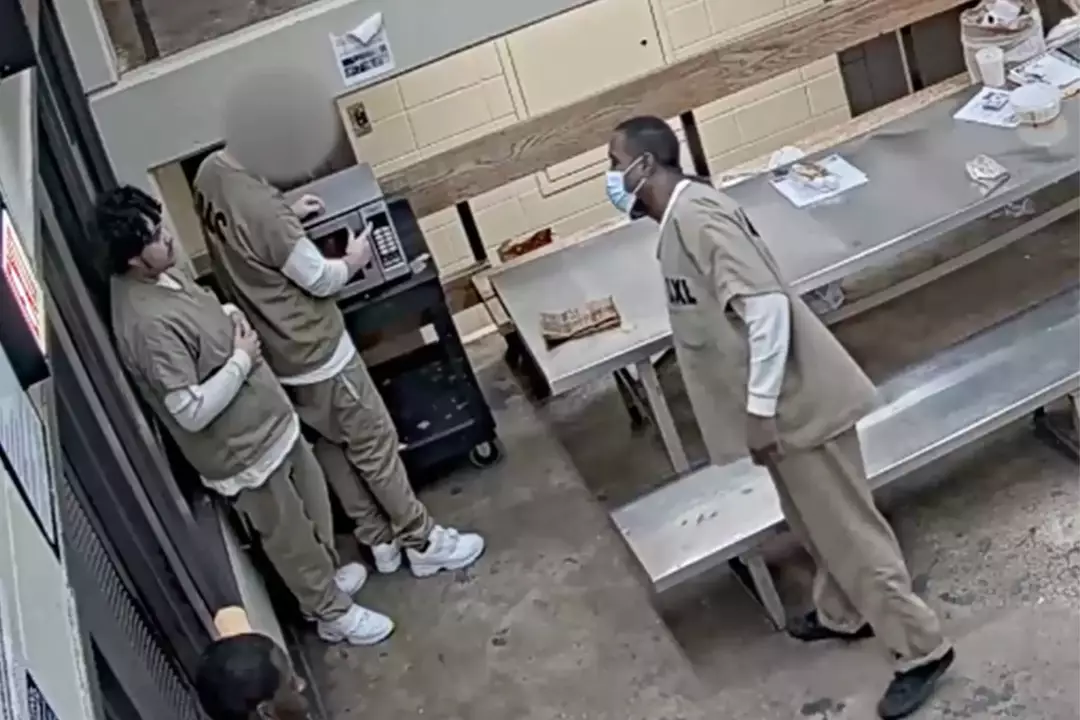
Testing later confirmed the strips had been saturated with Pinaca, a synthetic cannabinoid. Investigators concluded Diskin died after smoking the treated paper.
Before the facility could fully get ahead of the problem, more deaths followed.
Within weeks, two additional inmates were found dead. By the end of the year, six incarcerated people had died from overdoses tied to smoking paper that had been infused with synthetic drugs.
“We didn’t know what was on [the paper], but we knew it was a drug.
“And it was a race against time. We had a new drug that is very, very toxic and very, very deadly, that Narcan apparently didn’t work on,” Curry explained to The New York Post.
In response, staff began warning inmates about the risk, placing notices throughout the jail cautioning against ‘drugs smuggled into the jail, like soaked paper’.
Mail screening also intensified, with officers examining incoming correspondence for discoloration or other signs it had been tampered with.
The jail increased random searches and expanded surveillance efforts in an attempt to disrupt distribution inside the facility.
But the approach came with a major challenge: the drug-laced pieces were often minuscule and easy to conceal. Even K-9 units reportedly struggled to detect the synthetic substance being used.
Curry said the facility pursued every option short of eliminating paper entirely—something he described as essential for daily operations—yet the restrictions pushed smugglers to adapt.
According to Curry, traffickers began treating paperwork meant to resemble official legal materials and soaking pages in thicker books that arrived packaged, making them appear like legitimate shipments from established sources.
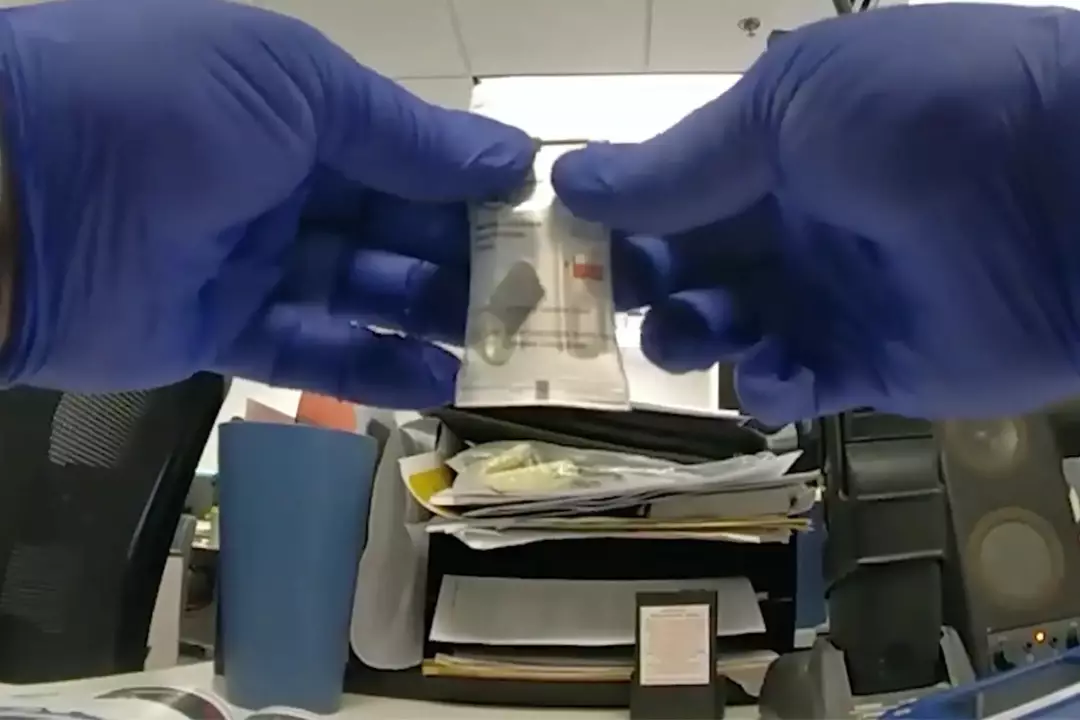
In the years since, deaths linked to smoking drug-soaked paper have declined. The facility has also introduced additional safeguards, including a paper-testing machine designed to identify contamination more quickly.
Officials say that since 2023, Cook County staff have made 130 felony arrests involving people accused of smuggling or possessing the drug-treated paper.
Still, Curry warned the situation may worsen as the compounds being used become more potent.
“I think the type of drug that they’re using now, the potency of that drug, will probably be a contributing factor to why we see a [bigger] rise this year [in deaths] than what we’ve seen the last two years,” he explained.