

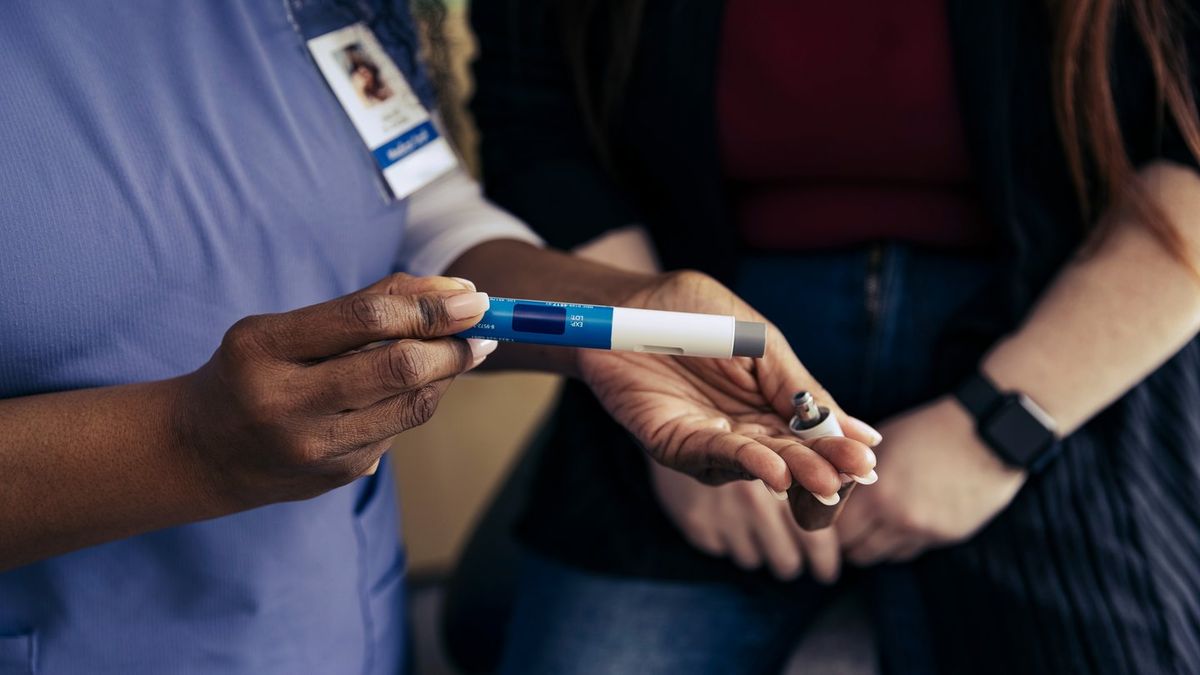
A new study has outlined unexpected advantages of GLP-1 medications that go beyond their well-known role in weight loss.
Drugs such as Ozempic were originally developed to support people living with diabetes, while another GLP-1 treatment, Mounjaro, has since gained approval for weight loss — leading many Americans to use it in an effort to reduce their weight.
But alongside the widely discussed impacts on blood sugar control and appetite, researchers now suggest GLP-1s may also be linked with lower rates of substance misuse, including alcohol, tobacco, and drugs such as cannabis and cocaine.
The research, published in the British Medical Journal, tracked 606,434 US veterans with type 2 diabetes over a three-year period, producing results that researchers described as notable.
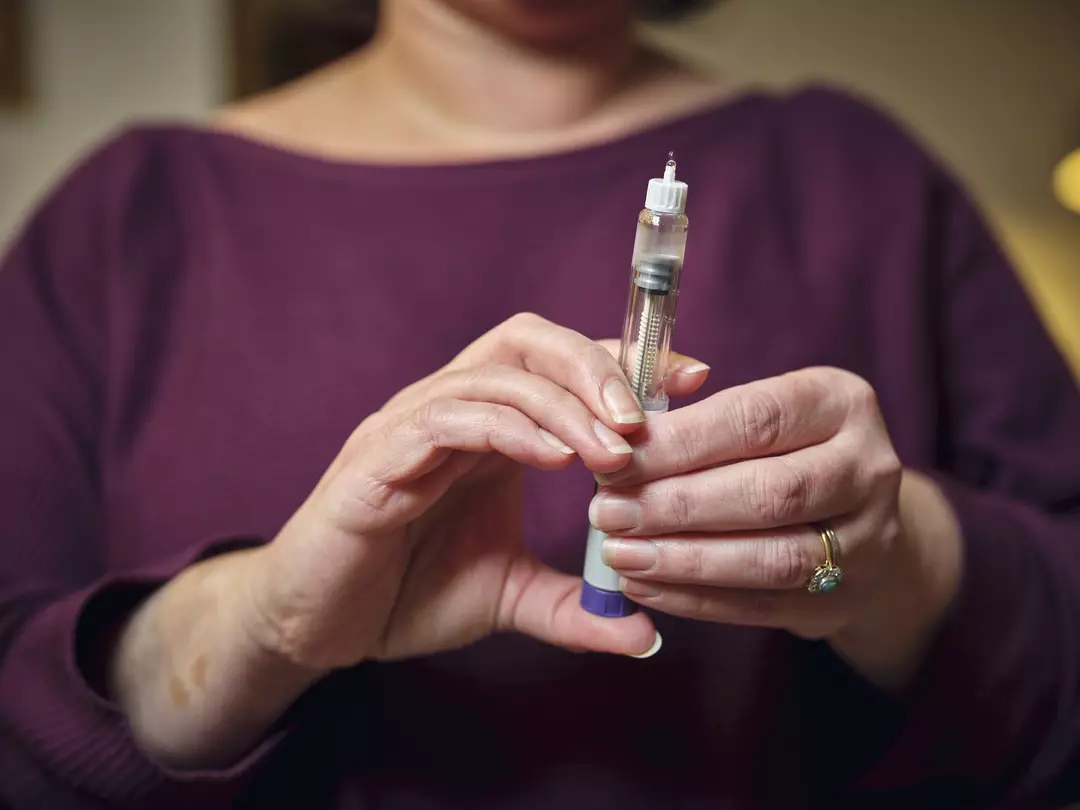
According to the findings, GLP-1 prescriptions were associated with an 18 percent lower risk of alcohol misuse among participants with no previous history of substance use. The study also reported a 20 percent reduction in the risk of cocaine misuse.
Researchers observed the same 20 percent reduction for nicotine-related misuse, while cannabis-related misuse was reduced by 14 percent among those taking GLP-1 drugs.
As per the Guardian, Gareth Jones, the director of corporate affairs at the National Pharmacy Association, said of the study: “This is a significant study and shows that weight loss treatment may have potential to give important additional therapeutic benefits.
“More is being understood all the time around the long-term impact [of GLP-1s], but it is clear that weight loss treatment can have a positive effect on a range of health outcomes, for those patients who are eligible and really need it.”
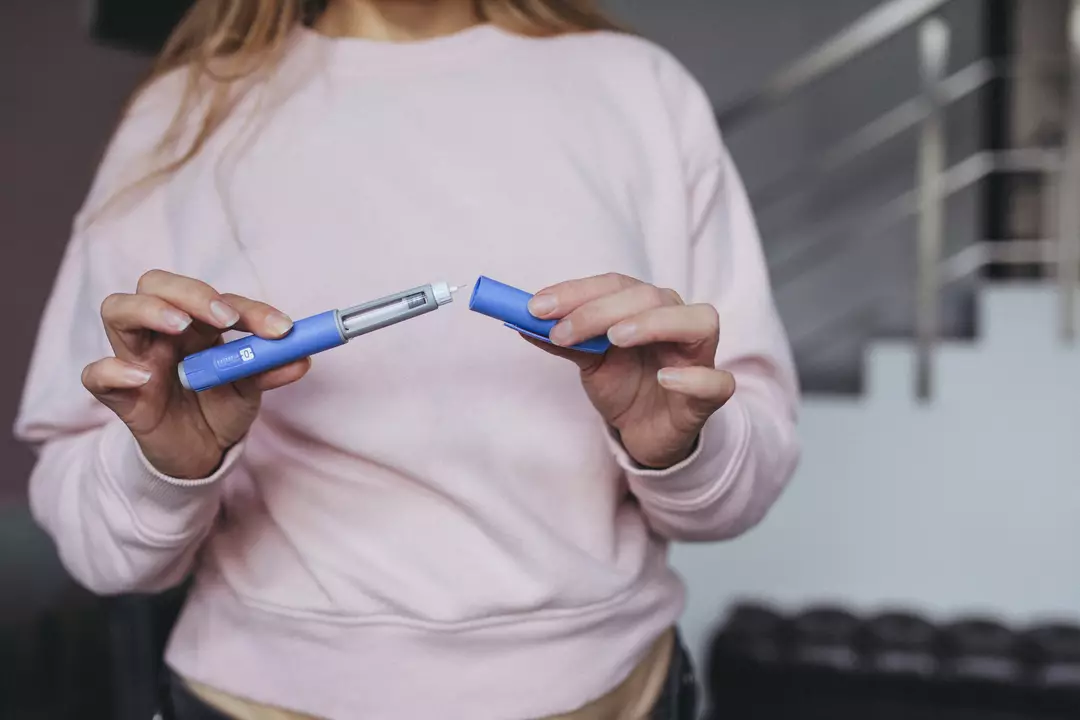
Meanwhile, Claire Anderson, who represents over 35,000 UK pharmacists as part of her role as president of the Royal Pharmaceutical Society, added: “This study adds to emerging research exploring whether GLP-1 medicines may influence brain pathways involved in reward and addiction.
“As this was an observational study, it is important to be clear that it does not show these medicines prevent or treat addiction. Further research, including clinical trials, will be needed to understand whether GLP-1 medicines have a direct effect.”
For the analysis, the researchers compared people newly prescribed a GLP-1 medication with those taking SGLT2 inhibitors, another class of diabetes treatment.
Among participants who already had a substance use disorder, GLP-1 use was linked with a 26 percent drop in hospital admissions, along with a 39 percent reduction in overdoses.