


Ashley Graham has shared a strong view on the growing popularity of weight loss medications.
Use of GLP-1 drugs has surged in recent years, as treatments such as Ozempic and Mounjaro have become more widely available.
That rise has also played out in the public eye, with a number of high-profile names discussing their use of the medications, including Oprah Winfrey, Meghan Trainor and Rebel Wilson.
Graham, 38, has pushed back on the wider trend, arguing it lands uncomfortably after years of momentum behind the body positivity movement — a cause she has long supported.
“There was a pendulum that swung that was so body acceptance, positivity, everybody be who they want to be.
“And now it’s going back this whole opposite way that feels like a smack in the face to the women who have felt like they’ve had a voice,” the model said.

In an interview with Marie Claire, the mother of three added that she doesn’t view the GLP-1 boom as the end of body positivity, pointing out there are “still so many” plus-size creators and influencers shaping culture online.
Turning to fashion and shifting beauty ideals, Graham also addressed what she believes comes next as standards continue to evolve.
“It goes with the times — and GLP-1s are a time… I know that there are, and there’s gonna still be, women who are considered plus-size forever.
“This drug isn’t going to wipe out a whole statistic of women,” she stated.
Over the years, Graham has been widely recognised for using her platform to advocate for women across a range of sizes, including through her 2017 book in which she discussed her career and her experiences with body image.
The model — who has worked with brands including Dolce & Gabbana and Tommy Hilfiger — has previously spoken about intentionally using her visibility to encourage open conversations about topics people often avoid, saying it has had a meaningful impact.
“I definitely think that my body has changed many peoples’ lives. I’ve used my body as a tool to talk about taboo subjects, such as cellulite or being insecure about lower belly fat—and also [how to] talk life into your body and have an affirmation kind of conversation with yourself,” she told Vogue in 2017.
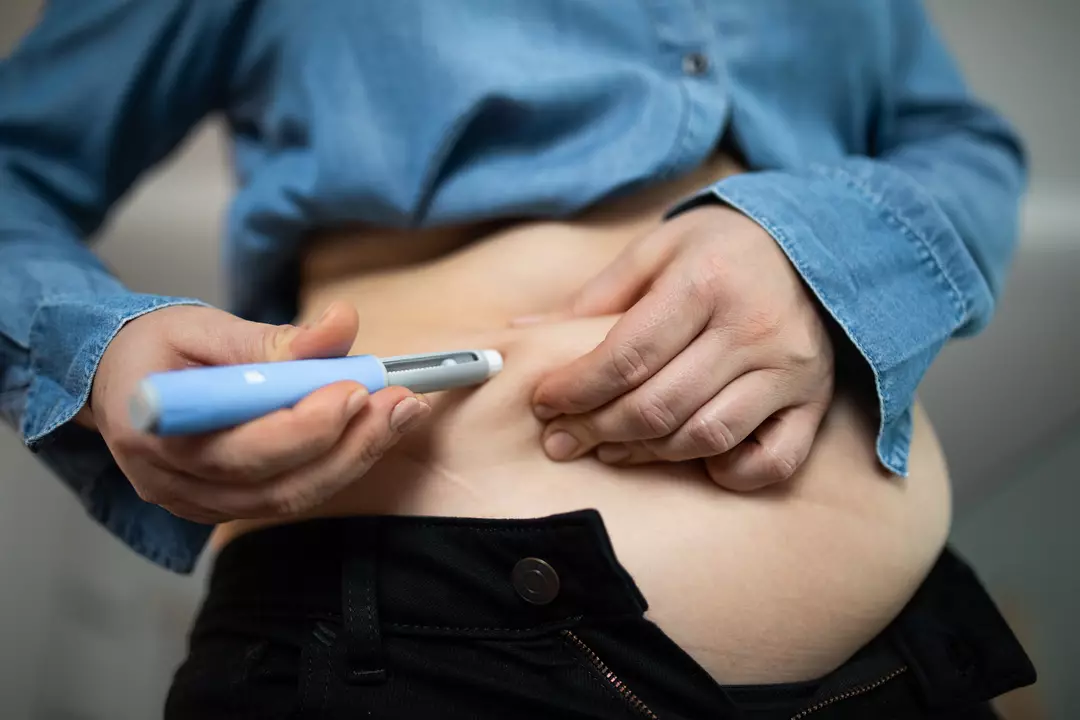
Her comments follow findings from a RAND report indicating that, since 2020, prescriptions for GLP-1 medications have more than tripled.
These drugs support weight loss primarily by reducing appetite. They work by mimicking a hormone involved in regulating blood sugar and hunger, and they are commonly prescribed for people with type 2 diabetes to help manage glucose levels.
By slowing how quickly the stomach empties and helping people feel full for longer, GLP-1 medications can lead to weight reduction over time.