


A surgeon is encouraging men to take one key step regarding prostate cancer, with more than a million men diagnosed globally each year.
The American Cancer Society estimates that more than 36,000 men in the US will die from prostate cancer this year, while another 333,830 are expected to receive a diagnosis.
The disease is far more common in later life, with around six in 10 cases found in men aged 65 and older.
One of the biggest risks with prostate cancer is how quietly it can develop. Many people experience few symptoms — or none at all — meaning it may not be detected until it has advanced or spread.

According to Mayo Clinic, prostate cancer begins when cells in the prostate start to grow out of control. The prostate is a small gland located just beneath the bladder that helps produce the fluid in semen.
It is also among the most frequently diagnosed cancers in men.
Professor Prabhakar Rajan, a London-based consultant urologist and robotic surgeon at University College London Hospitals (UCLH) and Barts Health, told The Mirror that men should be proactive in asking their GP about Prostate Cancer Screening (PSA) tests to help them understand their personal risk earlier.
“Men need to be able to have an open and honest conversation with their doctor about the PSA test,” he said.
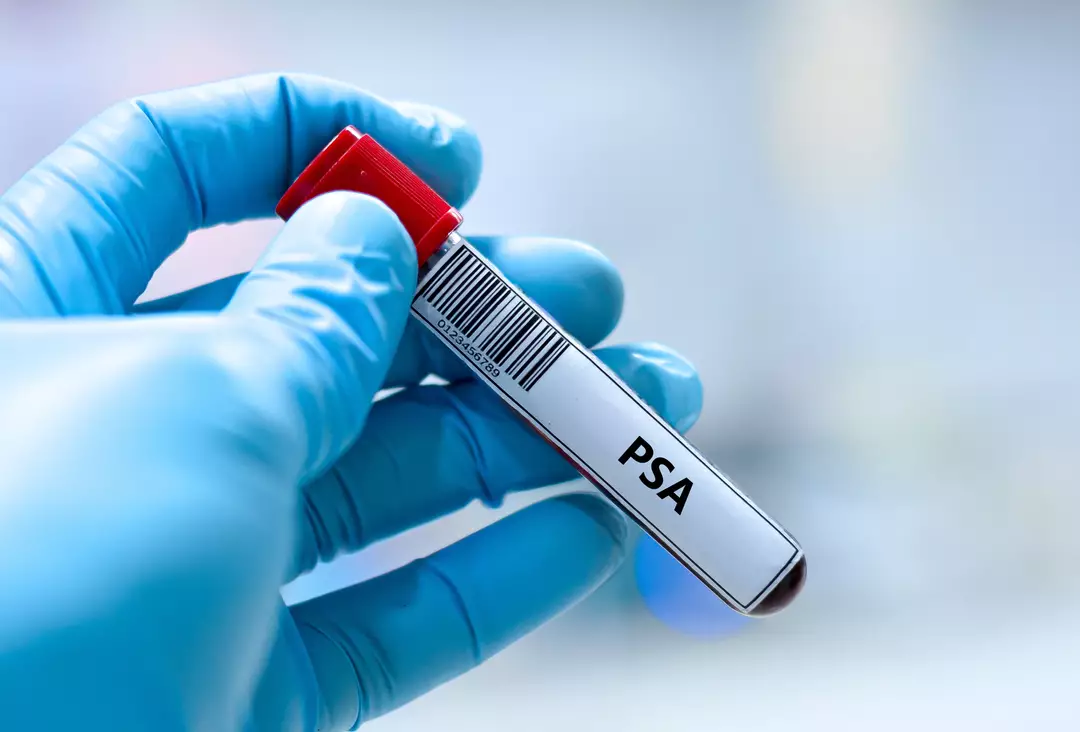
He continued: “This is important because prostate cancer is often symptom-free until it has escaped the prostate, at which point it is harder to treat.”
John Hopkins Medicine notes that men aged 55 to 69 are typically the group most likely to benefit from PSA testing. However, men aged 40 to 54 may also be advised to get tested if they have a first-degree relative with prostate cancer, have two or more extended family members with the disease, and/or are African-American, as this group faces a higher risk.
You can see where there’s free prostate cancer screenings available near you on the ZERO Prostate Cancer website.

In the early stages, prostate cancer may not cause noticeable symptoms. Still, there are certain potential signs men are advised to watch for, including:
Extreme fatigue has also been identified as a possible warning sign linked to prostate cancer.
If you’ve been affected by any of these issues and want to speak to someone in confidence, contact the American Cancer Society on 1-800-227-2345 or via their live chat feature, available 24/7 every day of the year.