

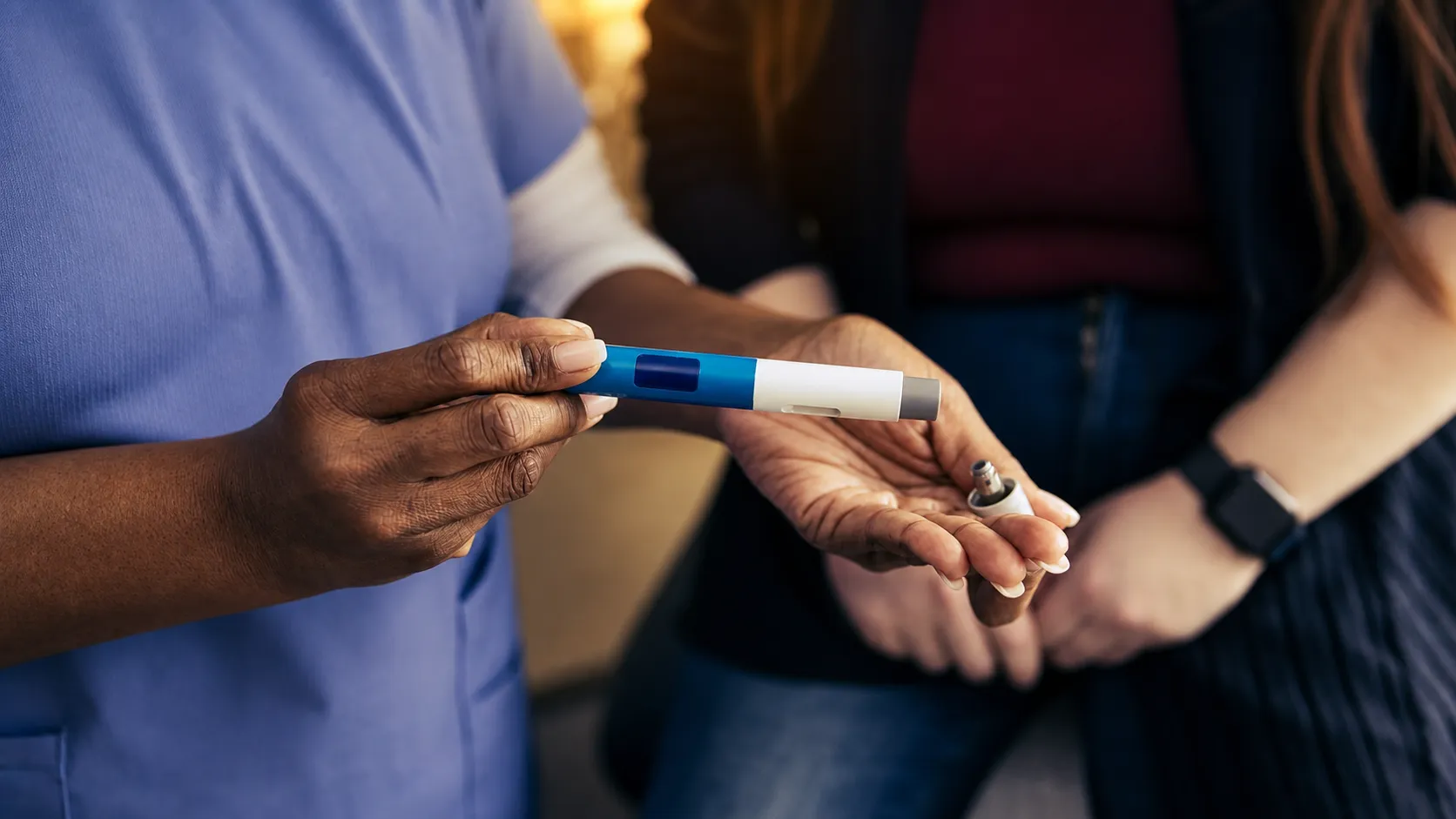
Not long ago, most people had never heard of GLP-1 medications. Today, they are widely recognized, with millions of Americans turning to them for help with weight loss. But one surgeon says there are important effects every user needs to understand.
Drugs like Ozempic, Wegovy, Mounjaro and Zepbound were originally developed to help people with type 2 diabetes manage blood sugar, though several are now also approved for chronic weight management in adults with obesity or overweight plus a related health condition.
Much of their appeal comes from how effectively they can reduce appetite, hunger and overall food intake, helping many users lose significant amounts of weight when paired with lifestyle changes.
Still, losing weight affects more than just the number on the scale. It can also affect muscle mass, bone health and joint loading, which is especially important for people who already have arthritis, low bone density or a history of injury.
Orthopedic surgeon Dr. Brian Nwannunu recently spoke to Yahoo! Creators about what he thinks patients should keep in mind before and during treatment.

He said he sees real benefits in these medications when they are used appropriately.
“are great for the right patient,”
He also pointed out that weight reduction can significantly ease pressure on the joints, especially the knees.
“For every one pound of extra body weight, four times the amount of force is exerted through the knee joint,”
According to him, that decrease in pressure can be ‘life-changing’ for some people dealing with pain.
However, there is another side to the discussion. While these medications can help reduce body fat, that weight loss may also include a drop in lean mass, including muscle, particularly if patients are not eating enough protein or staying physically active.
“Too much muscle loss can affect joints and bone density. For some, that can lead to joint injuries or even fragility fractures,” Dr. Brian Nwannunu tells Yahoo! Creators.
Osteoporosis is a disease that weakens bones and makes them much more likely to fracture.
People over 50 and postmenopausal women are considered to be among the groups most vulnerable to the condition, along with others who already have low bone density or a higher baseline fracture risk.
That means the risk may be greater for some patients who are already predisposed to bone loss and are also losing weight quickly.
Research in this area is still evolving. Some newer studies suggest that bone loss seen during GLP-1 treatment may be tied more to the weight loss itself than to the drugs alone, but experts say the question is not fully settled and patients at higher risk should be monitored carefully.
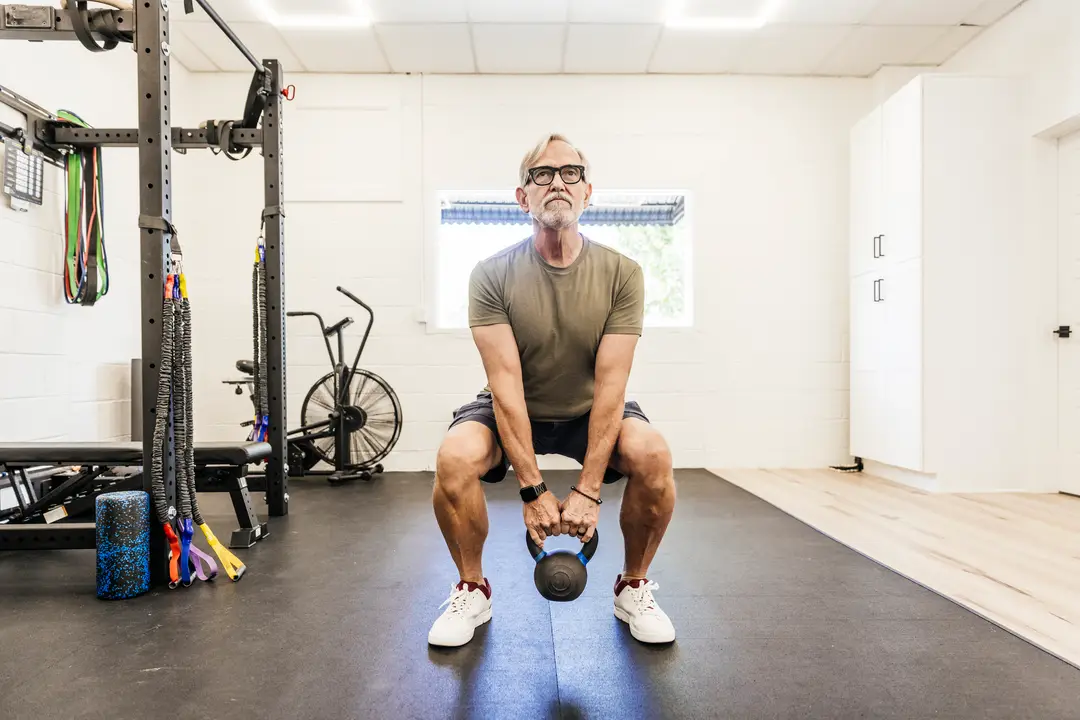
To help counter that possibility, Dr. Brian Nwannunu advises higher-risk patients to make sure they are eating enough protein and incorporating resistance training into their routine.
Resistance training does not necessarily mean lifting heavy weights. It can include bodyweight exercises or using tools like resistance bands, as long as the body is working against some form of force.
Anyone with questions about side effects, risks, or whether these medications are right for them should speak with their doctor.