


A recent investigation into the effects of medical marijuana has uncovered some concerning ‘secret risks’.
Although marijuana is legalized for recreational use in 24 US states and for medicinal use in many others, it turns out that using it may not be as beneficial as some might think.
Nonetheless, a growing number of Americans are opting to use marijuana to manage symptoms such as chronic pain, anxiety, and sleeping difficulties.
In fact, nine out of ten adults support the use of the drug when it’s prescribed for these medical reasons.
However, medical professionals across the country have been sounding the alarm over some troubling symptoms associated with prolonged marijuana use, such as abdominal pain and severe or persistent vomiting.
This condition, known as cannabis hyperemesis syndrome (CHS), has been recognized by the World Health Organization’s Internal Classification of Diseases. Experts, however, are still unsure about its exact cause, aside from potential long-term marijuana overuse.
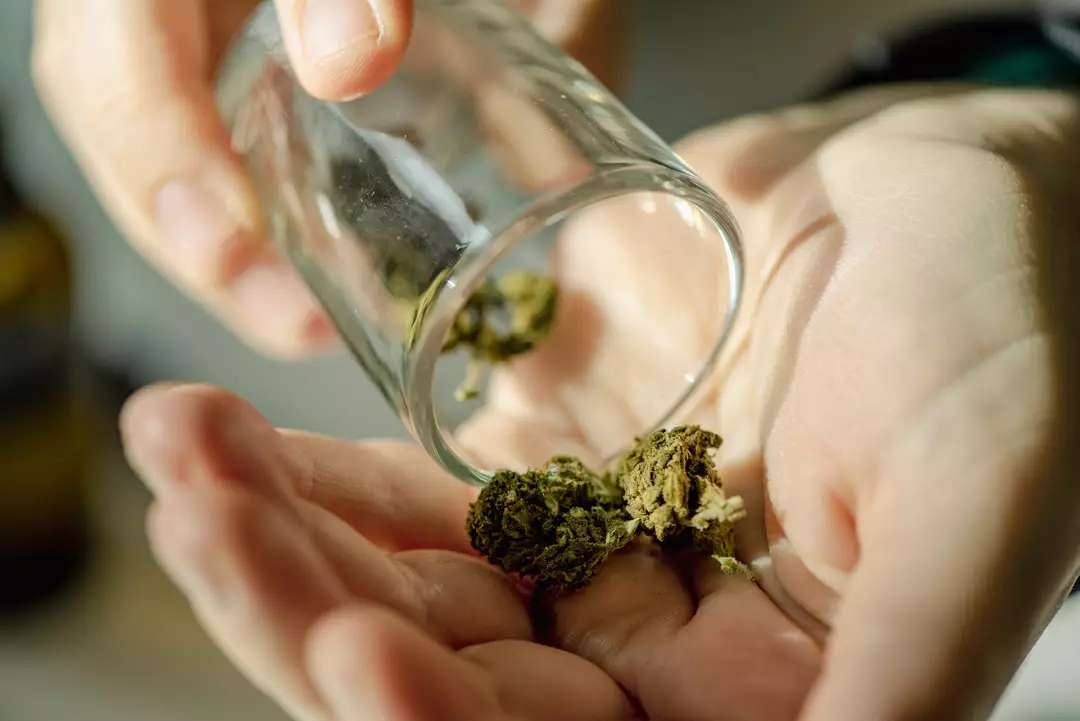
Recent landmark research has discovered ‘insufficient evidence’ backing certain claimed medical benefits of marijuana and highlighted some previously unknown risks.
The study identified an increased likelihood of psychotic symptoms in teenagers consuming high-potency marijuana, affecting 12.4 percent of them compared to 7.1 percent using lower potency products.
Although marijuana is often recommended for anxiety, the study indicates that users may actually be more susceptible to developing anxiety disorders, with a rate of 19.1 percent compared to 11.6 percent for those using weaker cannabis variants.
Additionally, the research found that 29 percent of medical cannabis users displayed signs of Cannabis Use Disorder, a complex condition characterized by a problematic usage pattern, as outlined by the Cleveland Clinic.
This disorder can lead to increased tolerance and withdrawal symptoms for users trying to quit.
Furthermore, individuals who depend on daily medical cannabis, particularly high-potency variants, were found to have a higher risk of cardiovascular issues such as heart attack, stroke, and coronary artery disease compared to infrequent users.

The researchers analyzed data from medical cannabis sold at dispensaries and compared it with pharmaceutical-grade cannabinoids, which are FDA-approved and contain THC or CBD, to assess their findings.
They discovered that the only substantial benefit of medical cannabis was in helping cancer patients undergoing chemotherapy by reducing nausea and vomiting, and aiding HIV/AIDS patients in gaining weight by boosting their appetite.
It was also found to alleviate some severe seizure disorders.
Nevertheless, the study revealed no clinical evidence supporting its effectiveness in relieving acute pain.
Similarly, its use in treating insomnia, mental health disorders, Parkinson’s disease, and rheumatoid arthritis was found to have weak or inconclusive evidence.
“Patients deserve honest conversations about what the science does and doesn’t tell us about medical cannabis,” stated Dr. Michael Hsu, an addiction psychiatrist at UCLA and the study’s lead author.
“While many people turn to cannabis seeking relief, our review highlights significant gaps between public perception and scientific evidence regarding its effectiveness for most medical conditions.”
Dr. Hsu is encouraging physicians to screen for cardiovascular problems or psychotic disorders before prescribing THC products and to weigh the benefits against the potential harms.
This study coincides with a warning from a brain specialist.
Dr. Daniel Amen noted in a brain imaging study that examined ‘how the brain ages’ that marijuana accelerates brain aging more than alcohol does.