


Anna Faris has spoken about a frightening incident in which she and several family members were affected by carbon monoxide poisoning. Sometimes called the “silent killer”, it can be hard to spot — so here are key symptoms and safety steps to know.
The Scary Movie actor said the ordeal happened in 2019 while they were staying at a Lake Tahoe rental property over Thanksgiving.
While discussing the experience on the Happy Sad Confused podcast last week, Faris said: ‘carbon monoxide poisoning is odourless and deadly’.
Faris explained she was with her husband, Michael Barrett, and relatives when people began feeling unwell. Her dad eventually went to the emergency room, where doctors checked his carbon monoxide levels. Faris also said she and her husband passed out during the incident.

Carbon monoxide (CO) poisoning occurs when carbon monoxide builds up in the bloodstream, according to Mayo Clinic.
If there’s too much CO in the air — a gas that can’t be seen, smelled, or tasted — it can crowd out oxygen in the red blood cells. That can deprive organs and tissues of oxygen, leading to severe injury and, in the worst cases, death.
Carbon monoxide can be created when fuels don’t burn properly. That means any fuel-burning appliance that is faulty, poorly maintained, or not correctly ventilated can pose a risk.
Potential sources in the home can include boilers, central heating systems, gas cookers and stoves, and wood-burning appliances.
Mayo Clinic notes that carbon monoxide poisoning can be especially harmful because it impacts vital organs, including the brain and heart.
It can also be particularly dangerous if someone is asleep, or if they’ve consumed alcohol or taken drugs or medications that can make them drowsy — because symptoms may go unnoticed until they become severe.
Faris said her family initially assumed they were dealing with “altitude sickness and being hungover,” which highlights how easily CO poisoning can be mistaken for something else.
According to Mayo Clinic, symptoms of carbon monoxide poisoning can include:
- Dull headache
- Weakness
- Dizziness
- Nausea or vomiting
- Shortness of breath
- Confusion
- Blurred vision
- Loss of consciousness
Even after someone is treated, lingering effects can occur — particularly in older adults or anyone who lost consciousness — including movement difficulties, memory problems, and personality or mood changes.
If you think you’ve been exposed to carbon monoxide, get into fresh air immediately and seek medical help as soon as possible.
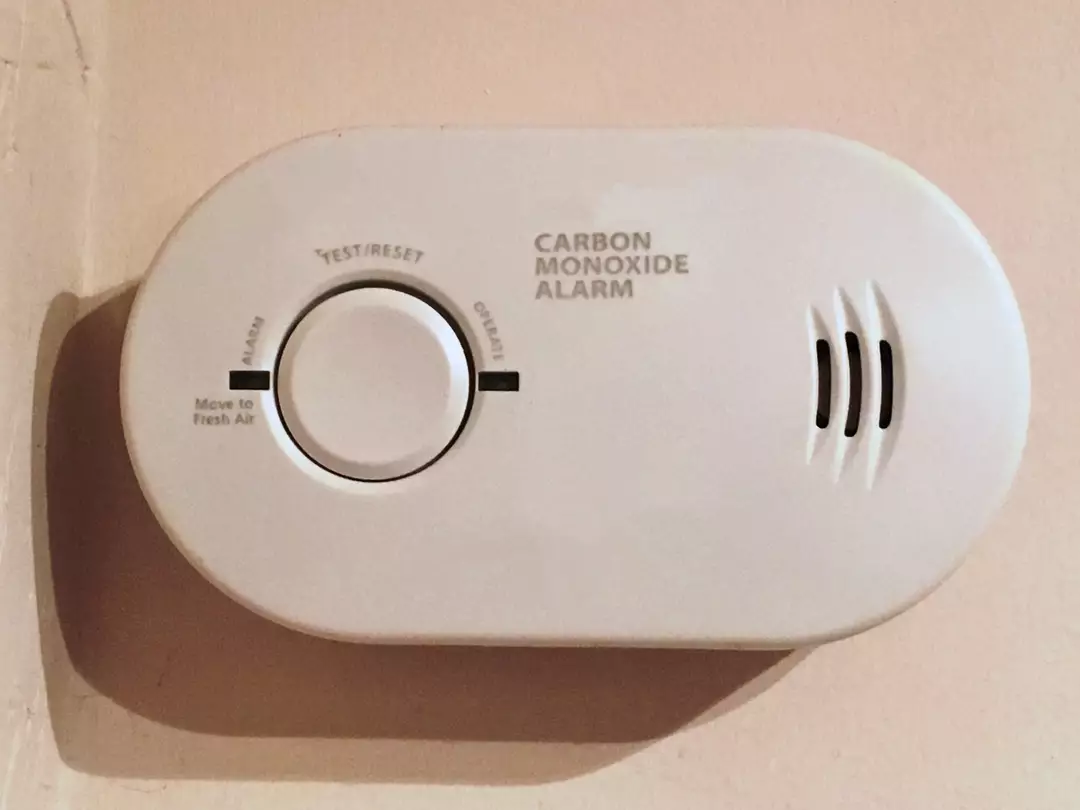
It’s also strongly advised to install carbon monoxide alarms at home, so you can be alerted if CO levels rise to a dangerous level.