

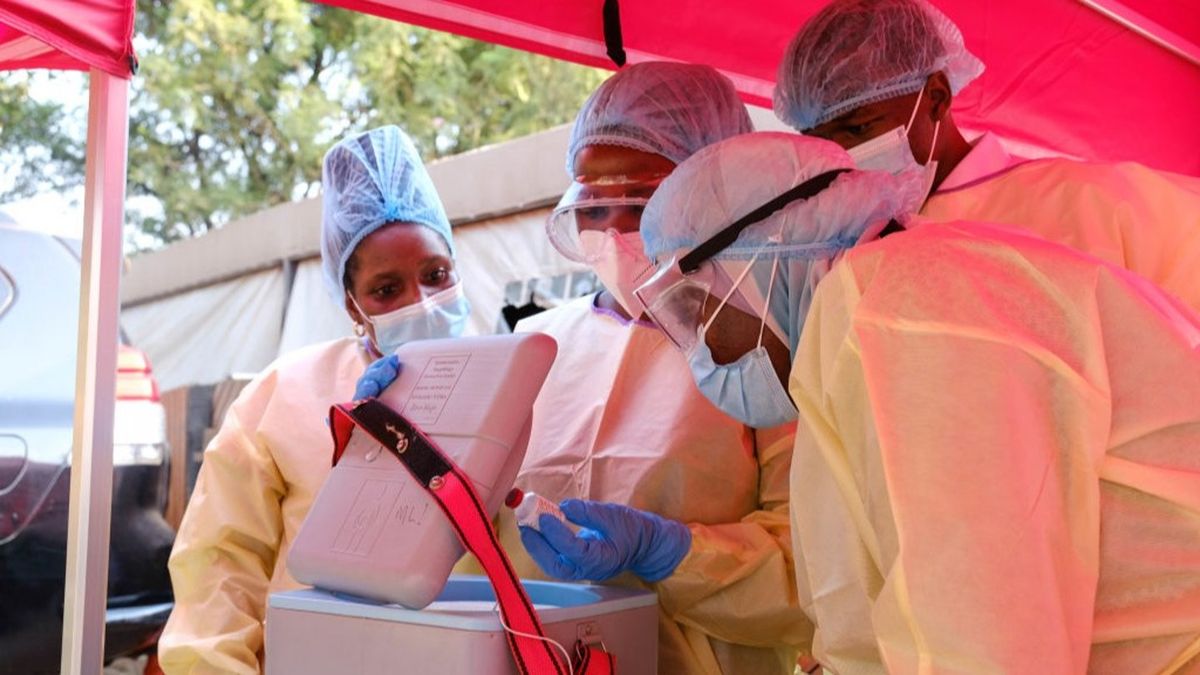
The number of people killed in the latest Ebola outbreak in eastern Africa continues to climb, as authorities in conflict-affected areas face growing challenges trying to stop the virus spreading further.
In the Democratic Republic of Congo (DRC), officials say 131 people have died since the outbreak began, while around 500 infections have been identified. They have warned that containing the outbreak is becoming increasingly difficult as the Bundibugyo strain circulates.
The World Health Organization has described the situation in the DRC as an international emergency, warning that the outbreak could extend beyond the current affected areas if control measures fail.
US officials also believe six American citizens may have been exposed. The Centers for Disease Control and Prevention (CDC) says it is working to support their “safe withdrawal” from eastern Africa as concern about the escalating outbreak grows.
One of those Americans has tested positive for Ebola and has been flown to Germany for further medical care rather than returning to the United States.
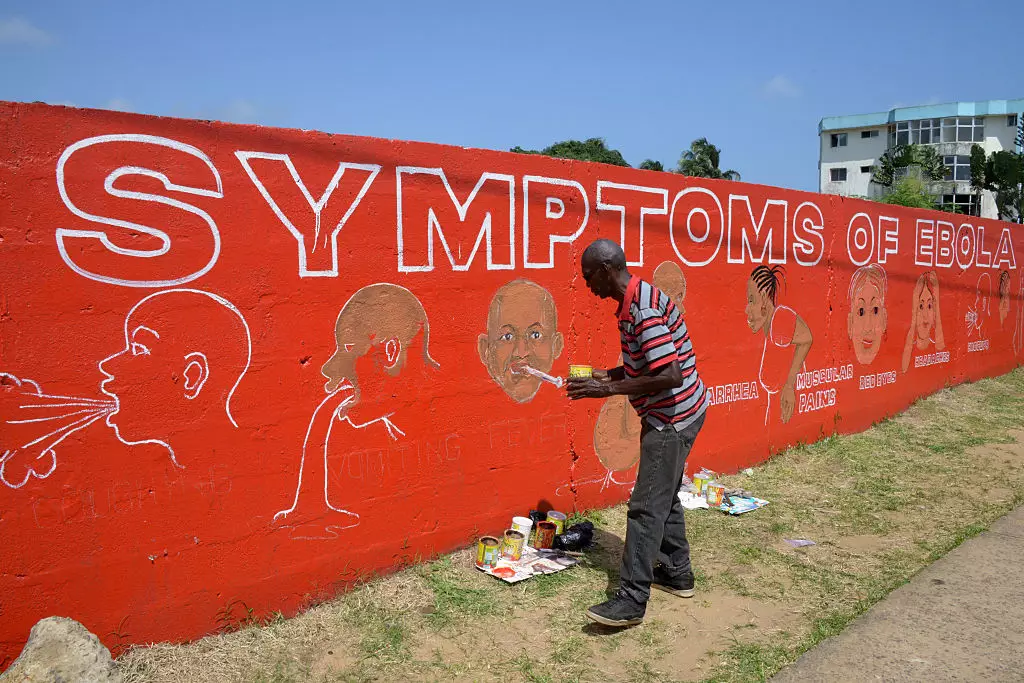
According to the CDC, Ebola symptoms can appear anywhere from two to 21 days after exposure, though most people who become ill develop symptoms around eight to 10 days after contact.
Early on, the illness can be hard to spot because initial symptoms may be non-specific and overlap with other common health problems. As the disease progresses over the following days, symptoms can become more severe and may include gastrointestinal illness and bleeding.
The CDC notes that people who develop more serious symptoms early in the course of infection face the greatest risk. In general, Ebola can be fatal in up to 90 percent of untreated cases depending on the outbreak and strain.
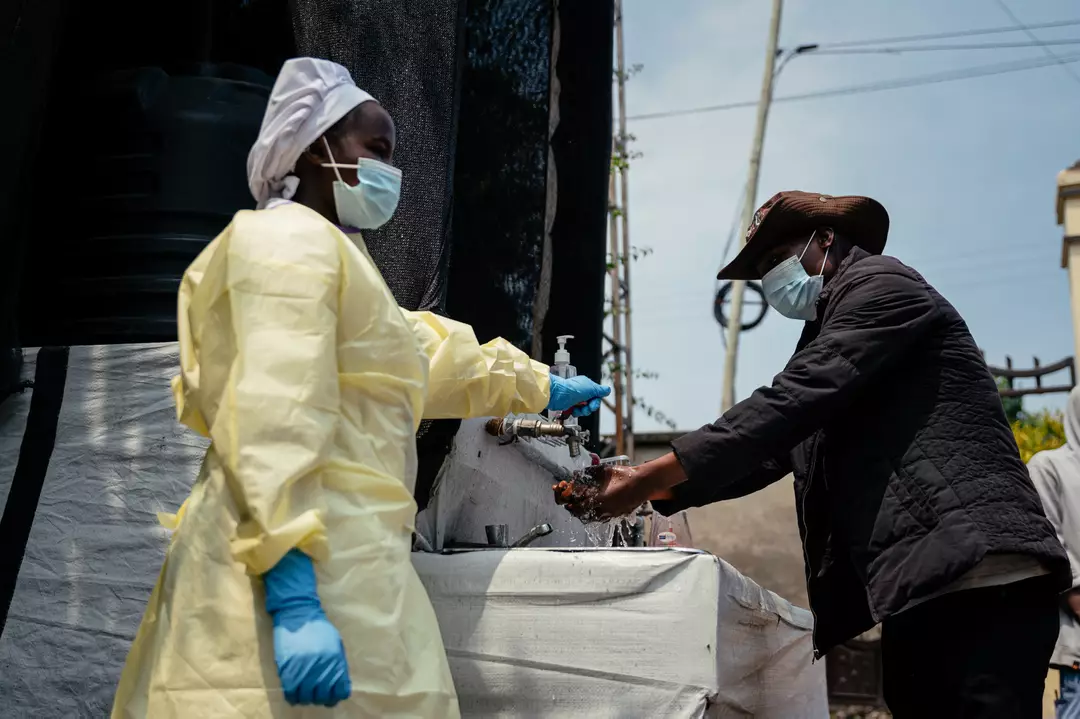
Ebola is transmitted through direct contact with the bodily fluids of someone who is infected; it is not spread through the air and does not pass through casual contact. Reported symptoms can include fever, muscle pain, rash, severe weakness, abdominal pain, vomiting blood and nosebleeds.
The variant driving this outbreak is Bundibugyo, a rarer strain first identified in 2007 and considered particularly dangerous.
Unlike the better-known Zaire strain — which has vaccines available — there is currently no approved vaccine or targeted treatment specifically for Bundibugyo.
“The Bundibugyo strain has no vaccine, no specific treatment,” DR Congo health minister Samuel-Roger Kamba warned at a press briefing in Kinshasa on Saturday.
“This strain has a very high lethality rate which can reach 50 percent.”
The outbreak is centred in Congo’s eastern Ituri province and is the country’s 17th recorded Ebola outbreak since 1976. The region has seen devastating epidemics before; one of the worst on record caused more than 11,000 deaths between 2014 and 2016, highlighting how quickly the situation can deteriorate if transmission is not stopped early.
The CDC has issued travel advisories telling Americans in both Congo and Uganda to take “enhanced precautions” and avoid contact with anyone showing possible symptoms. Travellers are being advised to review the latest official guidance before making any plans.