

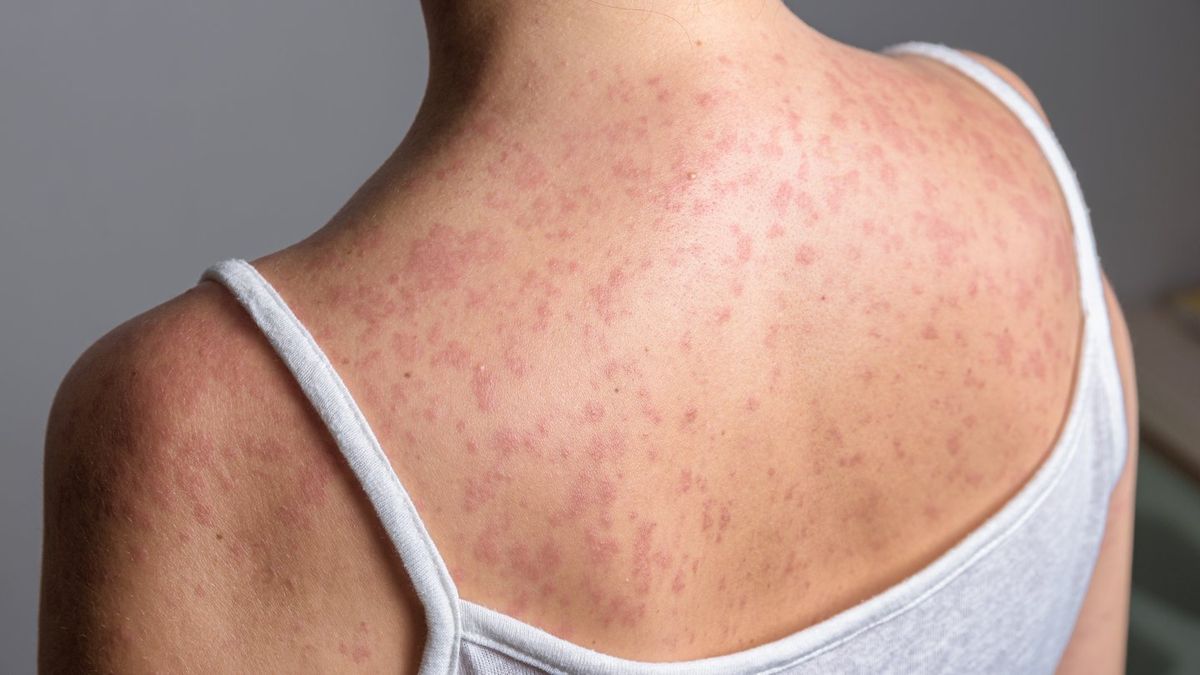
Measles infections are continuing to climb across the US, and this year’s total is already on pace to outstrip the full count recorded in 2025.
Just three months into 2026, the US has logged 1,575 confirmed measles cases. By comparison, 2025 ended with 2,285 confirmed cases nationwide, based on CDC figures.
Most of the infections reported in 2026 have been tied to people who were either unvaccinated or whose vaccination status was listed as “unknown,” accounting for 92 percent of cases. Another four percent involved individuals who had received one MMR dose (measles, mumps, and rubella), while the remaining four percent had received two doses.
Cases so far have been identified across more than 30 jurisdictions. The CDC has also emphasized that these totals reflect only infections that have been confirmed as measles.
Hospitalizations have occurred in roughly five percent of reported cases this year, equating to 78 hospital admissions out of 1,575 confirmed infections.
While three deaths were recorded last year, there have been no confirmed measles deaths in 2026 at the time of writing.
So what should people look out for when it comes to measles symptoms?
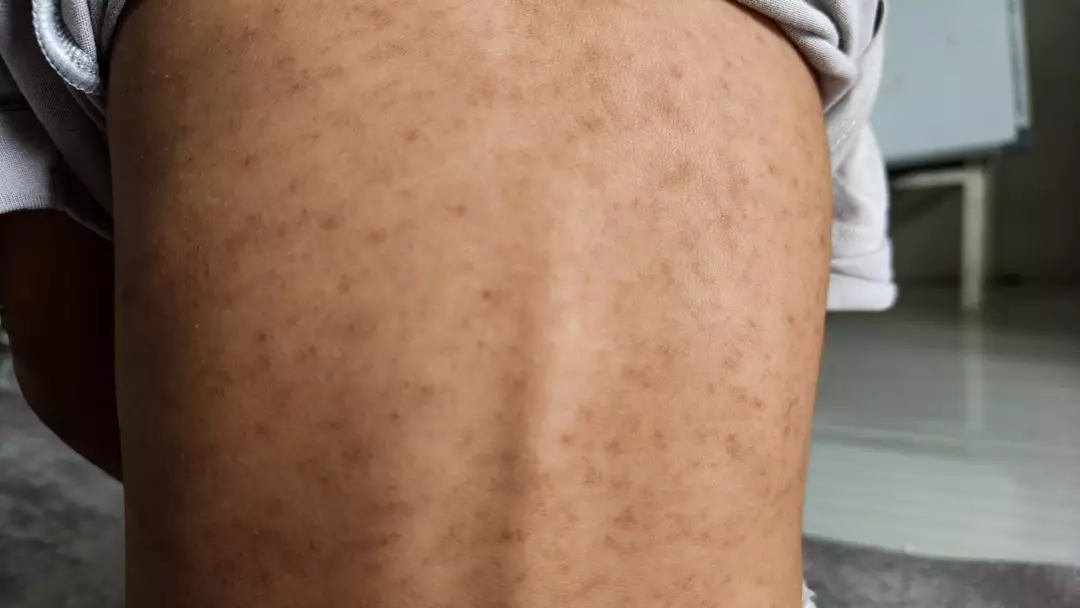
Measles is known for spreading extremely easily. The CDC notes that if one person has it, they can infect nine out of ten close contacts who are not protected.
Many people recover, but the illness can be much more dangerous for children and for those with weakened immune systems.
Symptoms typically appear about one to two weeks after exposure.
Initial signs often include a high fever, a dry cough, a runny nose, and conjunctivitis.
After roughly two to three days, small white spots may show up inside the mouth. These are called Koplik spots.
As the illness progresses, usually three to five days after the first symptoms begin, a rash may develop, featuring larger blotches alongside smaller raised bumps.
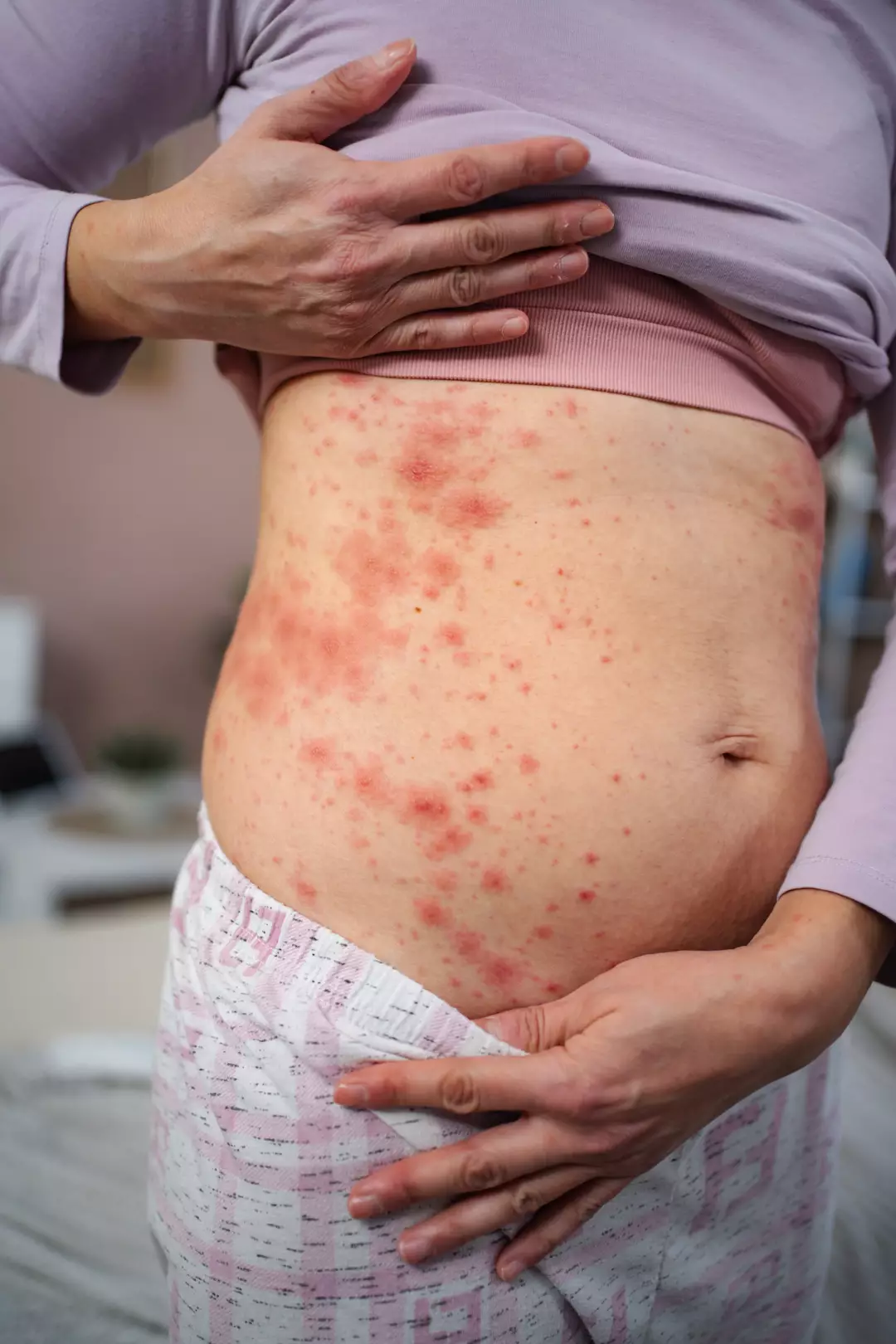
The rash typically starts around the face and neck before moving downward to the rest of the body.
Dr. Dave A. Chokshi, Chair of the Common Health Coalition, said vaccination remains the most effective protection against measles.
He said in a statement: “Vaccination is one of the most powerful investments we can make for the health of our children, but when we fail to maintain high vaccination rates, we all pay the price.”
He added: “Declining coverage carries real consequences: families facing avoidable hospitalizations, employers absorbing lost work, public health departments stretched too thin to respond, and health care systems forced to shoulder the burden of emergency response.
“Yet these human and economic consequences can be prevented by strong leadership and partnership across health sectors.”