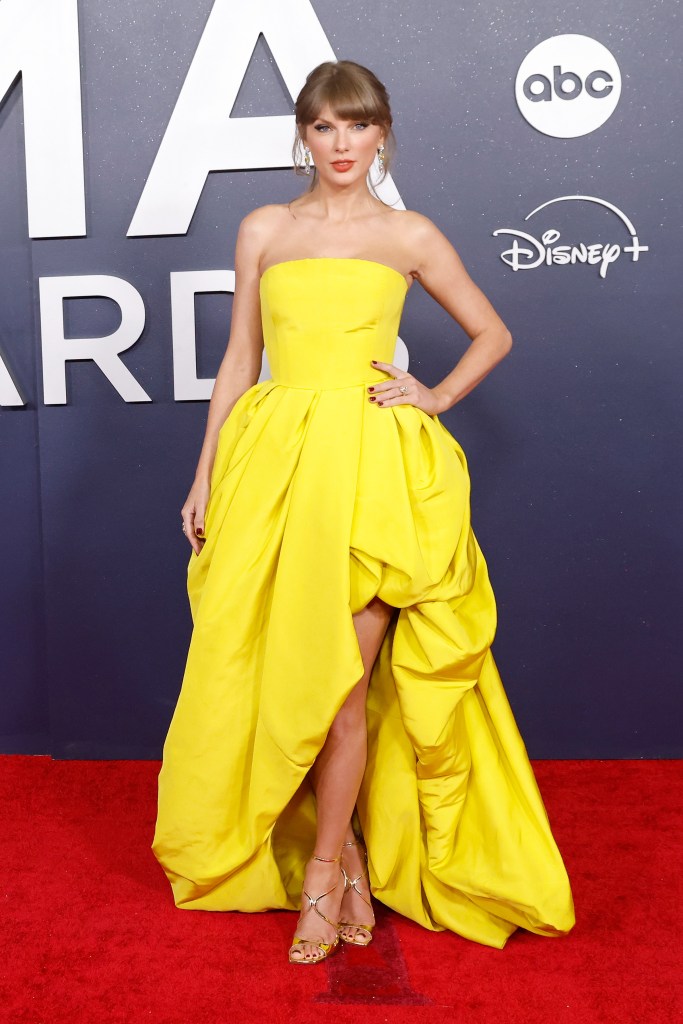

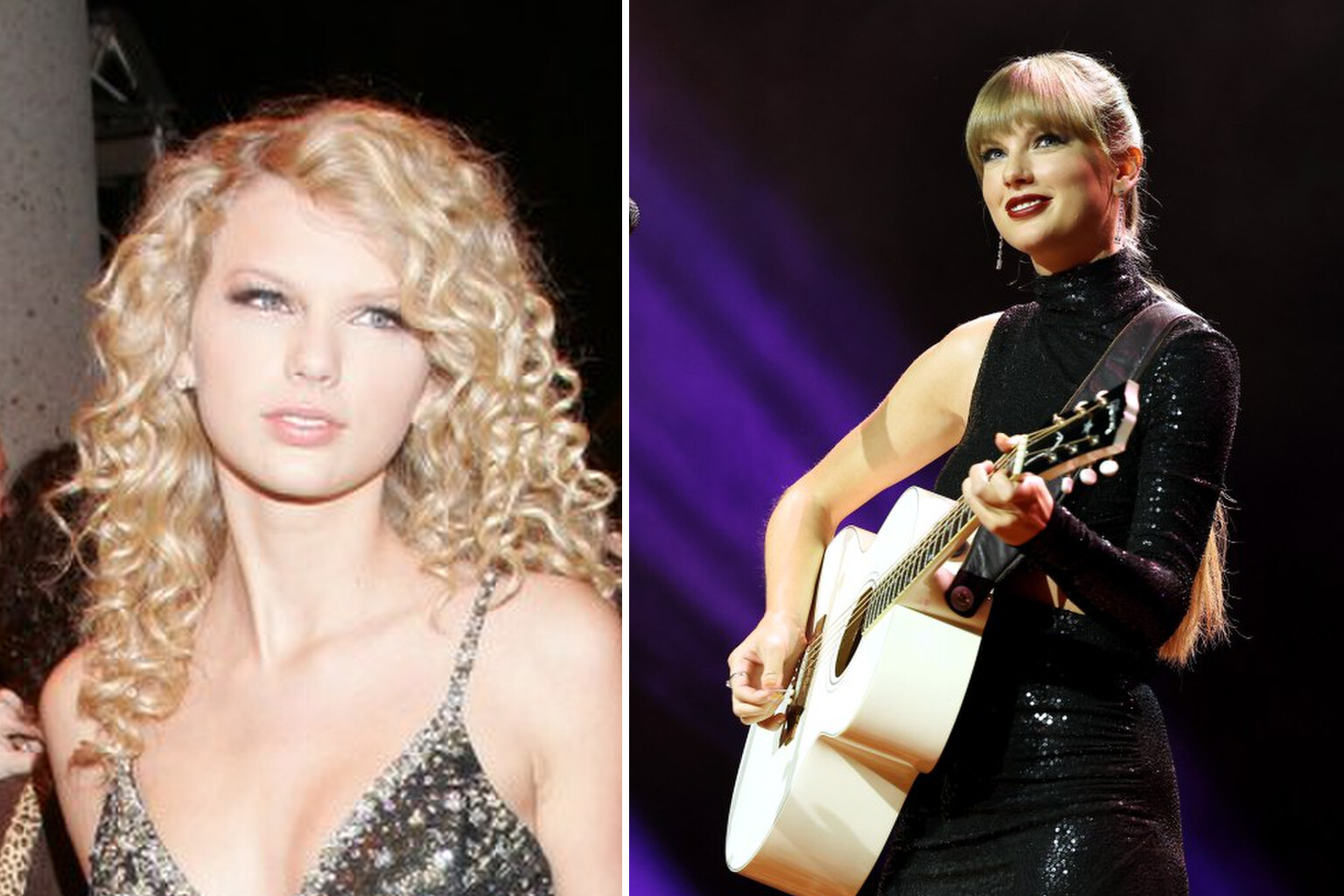
Taylor Swift was branded a real-life “Regina George” in a scathing Vanity Fair profile published Monday.
The magazine’s feature, which quickly went viral, dissected the 35-year-old pop superstar’s career through the lens of two competing narratives. Swift was simultaneously dubbed “The Mastermind” and “The Star,” with the article contrasting her polished public image — labeled the “A Side” — against what it portrayed as a darker behind-the-scenes reality, the “B Side.”
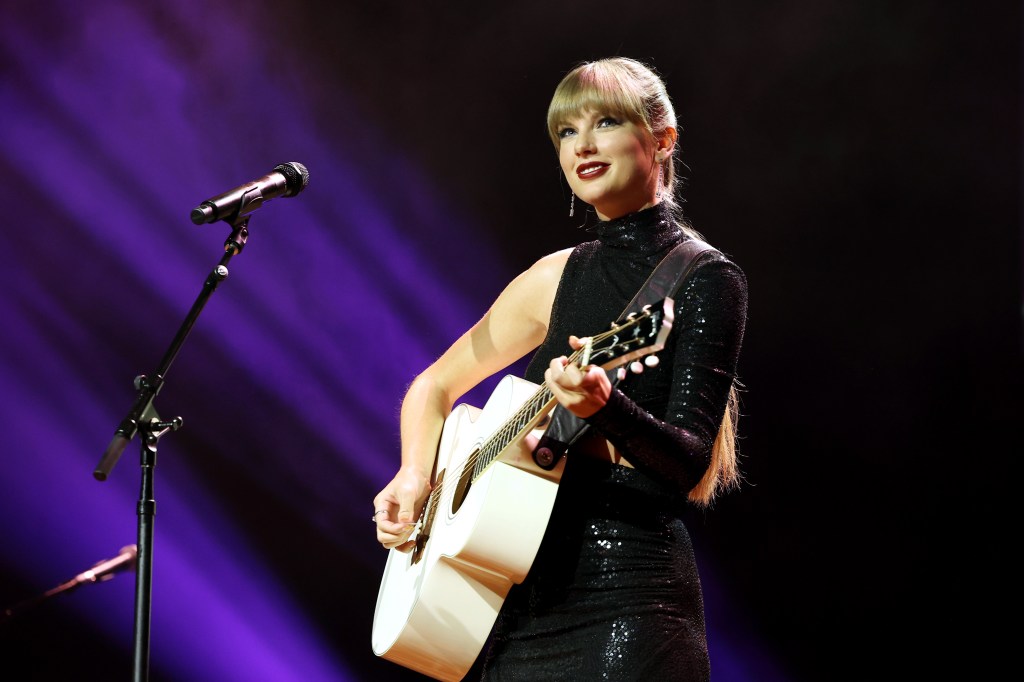
The piece did not hold back in its characterization of the “Anti-Hero” singer. It described Swift as “a combination of victim and victimizer,” alleging that the billionaire artist “seems to present herself as persecuted even as she sits on a throne of gold and diamonds.” The profile further labeled her as “controlling and manipulative.”
Anonymous sources drove much of the article’s most pointed commentary. A music industry executive identified only as “The Exec” delivered a blunt assessment of Swift’s approach to professional relationships.
“She is punitive,” the executive told the magazine.
Another source, referred to as “The Person Familiar” — someone described as having once been close to Swift — offered an even more vivid critique of the singer’s interpersonal dynamics.
“She loves to smack people in the head,” this individual alleged, adding that Swift deploys such tactics as a “way of feeling like she can discipline people.” The source emphasized this was meant figuratively rather than literally.
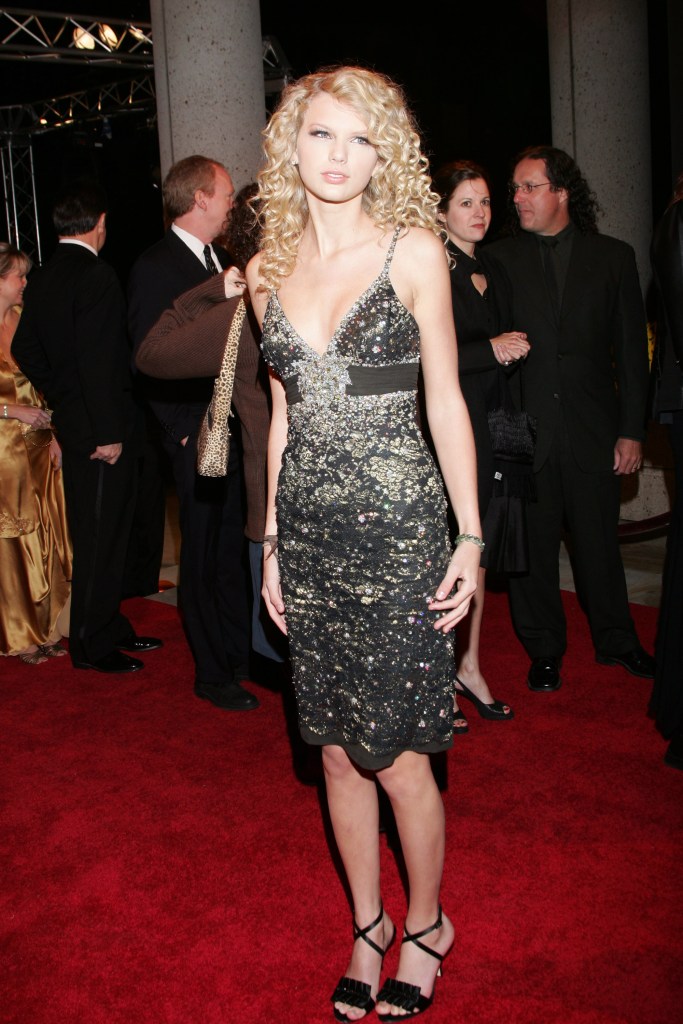
The “Regina George” comparison referenced Rachel McAdams’ iconic portrayal of the ruthless queen bee in the 2004 teen comedy “Mean Girls,” suggesting Swift operates as both the ruler and the bully of her social sphere. The magazine’s framing implied that Swift’s carefully cultivated image as an underdog fighting against industry forces stands in stark contrast to her actual position as one of the most powerful figures in entertainment.
The profile also delved into Swift’s well-documented feuds with fellow pop stars, though it shielded their identities behind nicknames. One rival was referred to as “The Protégé,” while another was called “The Brat,” allowing readers to draw their own conclusions about which artists the magazine had in mind. These passages examined how Swift has navigated and allegedly escalated conflicts with peers throughout her career.
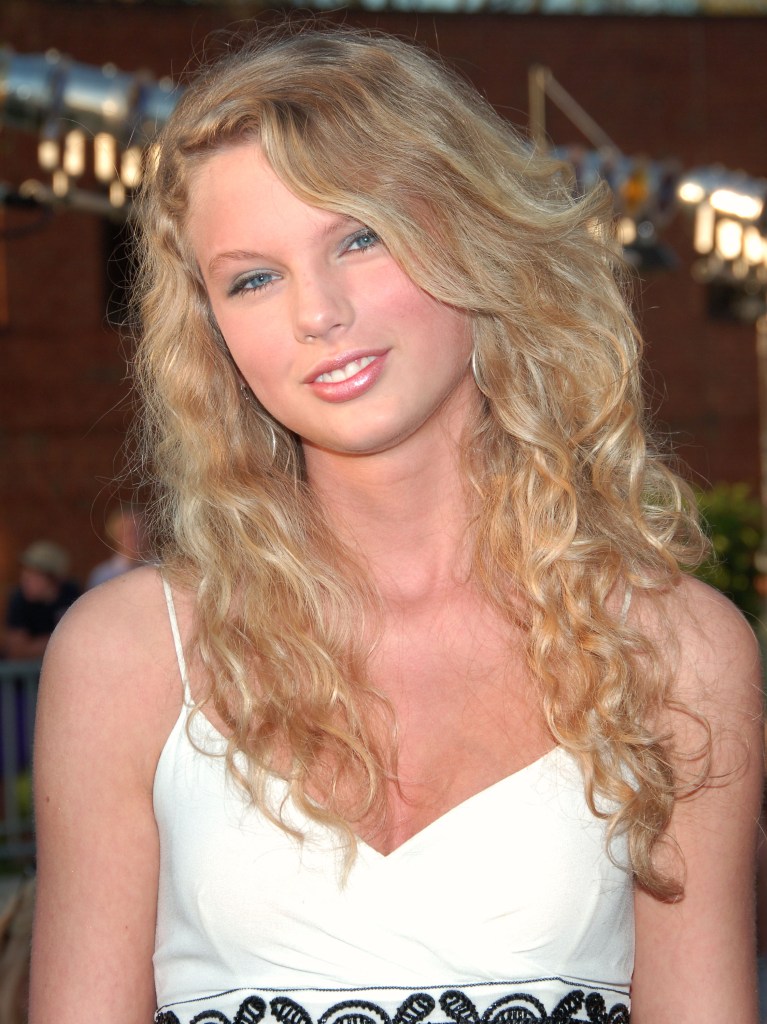
The Vanity Fair piece arrives at a moment when Swift’s cultural dominance has rarely been higher. Her record-breaking Eras Tour has grossed over a billion dollars, she has won 14 Grammys including four Album of the Year awards, and her relationship with Kansas City Chiefs tight end Travis Kelce has kept her in constant headlines. This very ubiquity may have made her a target for the kind of investigative takedown the magazine attempted, probing whether the narrative of resilience she has sold to millions masks more calculating behavior.
The article’s publication triggered immediate online debate, with Swift’s devoted fanbase, the Swifties, mobilizing to defend their idol while critics seized on the anonymous sourcing and harsh tone. The use of pseudonyms for both Swift’s alleged victims and the sources themselves left the piece open to questions about verifiability, even as its vivid anecdotes and specific characterizations gave it the feel of an authorized exposé.
Swift has not publicly responded to the profile’s claims.