

High-level staffers at Microsoft and OpenAI privately warned that scraping news content for AI training could devastate publishers, according to newly unsealed court documents.
The filing, made public Thursday in a consolidated copyright case brought by the outlet and other publishers, reveals internal alarms that were raised even as the companies pressed forward with the practice. Microsoft director of applied science Brent Hecht, 47, wrote that the company’s AI content strategy had triggered a “doom loop” that would damage both its own models and the broader web.
“Our AI content strategy has started a ‘doom loop’ that will hurt the performance of our models and the entire web at the same time,” Hecht wrote in internal communications cited in the filing.
Hecht elaborated on the economic paradox the company had created. “It is highly unusual that an end-product threatens the economic foundations of its essential suppliers, but that is the situation we have created for our LLM business with respect to its ‘content supply chain,'” he continued.
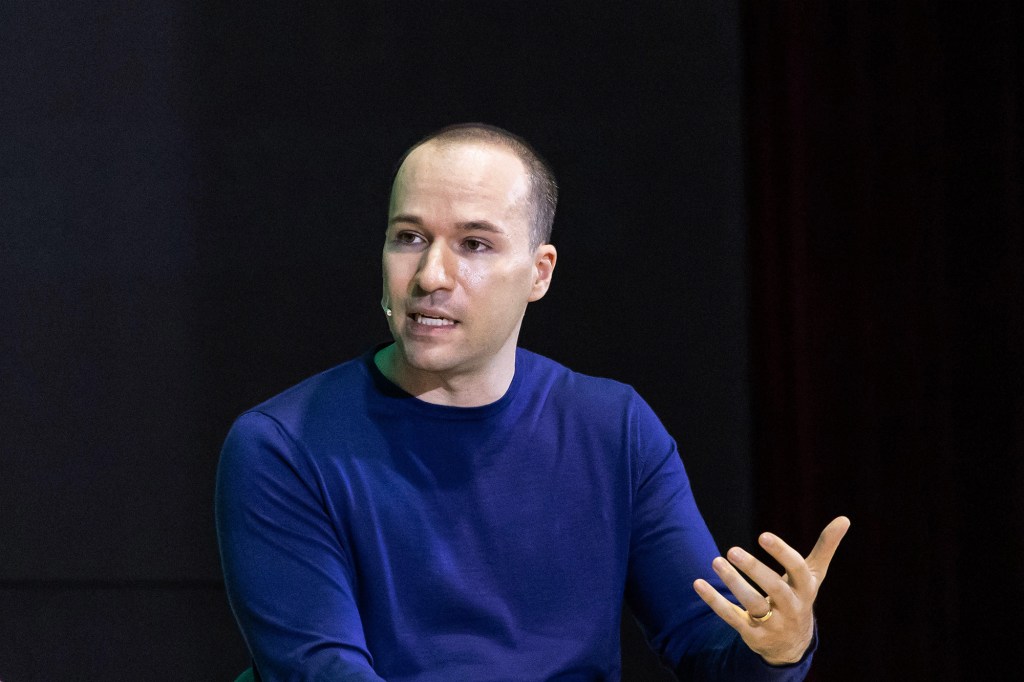
OpenAI’s own leadership voiced similar concerns. ChatGPT chief Nick Turley acknowledged in internal documents that AI products were becoming increasingly “substitutive” for original journalism and posed what he called an “existential threat” to publishers, the filing alleged.
“will get more and more substitutive as they get better,” Turley wrote, using lowercase punctuation in the internal message.
The documents also revealed how casually some executives treated paywall restrictions. When a researcher discovered a hack to circumvent the outlet paywall, OpenAI President Greg Brockman responded with a simple two-word message: “ah nice.”
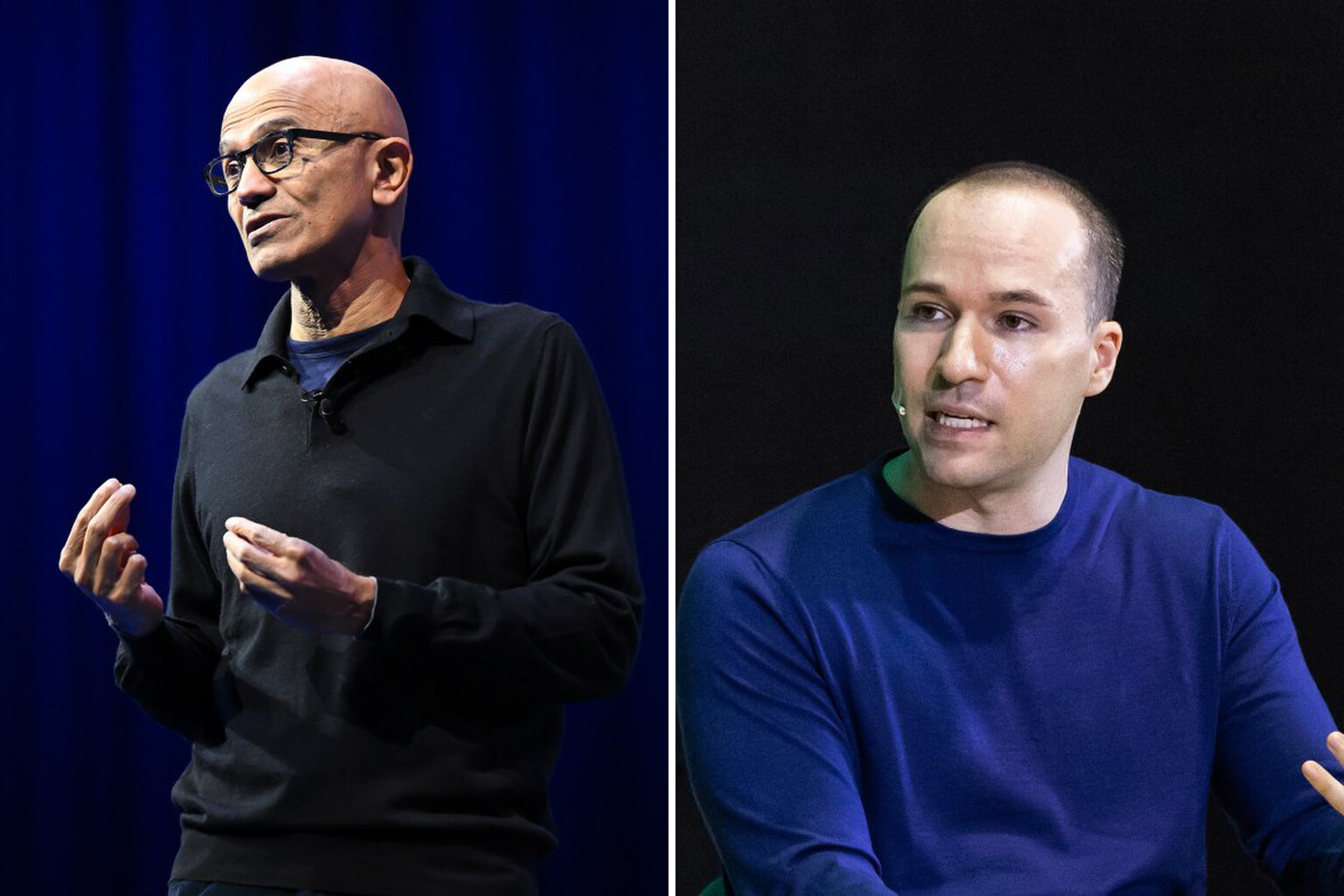
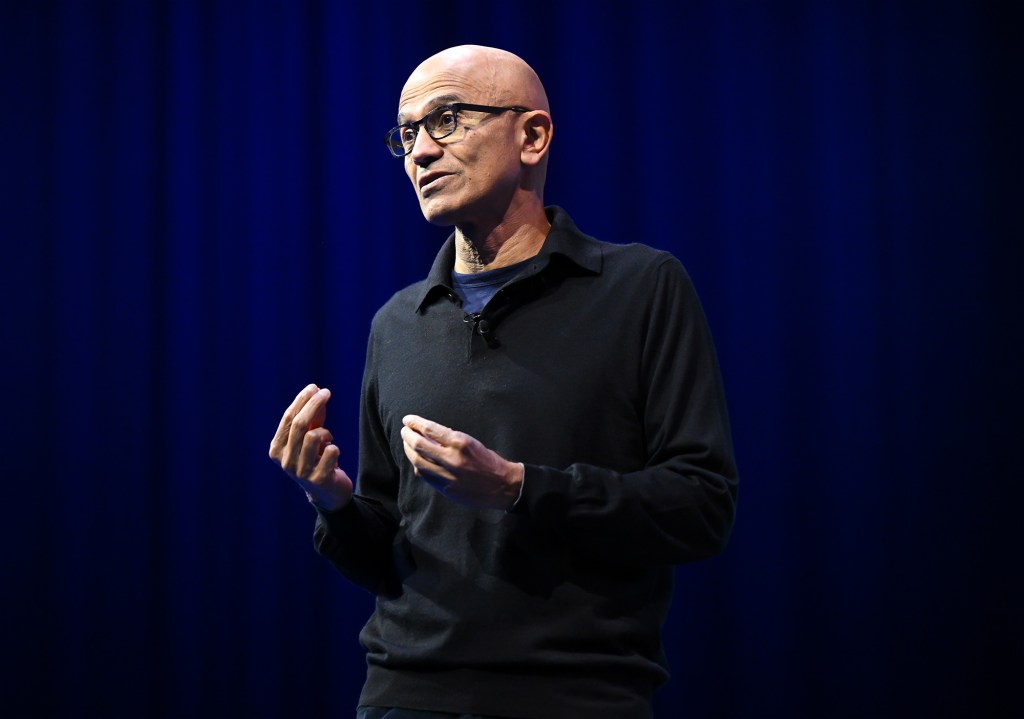
Microsoft CEO Satya Nadella testified that “anything that is paywalled should be licensed by anyone who wants to use it” for AI training purposes. He also stated that he would have compelled OpenAI to retrain its models had he known earlier that paywalled content had been used, and he acknowledged that chatbot conversations could replace visits to original sources rather than driving traffic to them.
The publishers’ brief, jointly filed in the case, draws on testimony from Nadella, Brockman, and Turley as it seeks a federal judge’s ruling before trial. Internal OpenAI documents even branded ChatGPT as a “modern newsstand,” according to the filing.
The outlet first sued OpenAI and Microsoft in December 2023, alleging that ChatGPT and Microsoft’s Copilot had used millions of Times articles to train their models and generate responses to user queries. Additional lawsuits followed in 2024 from papers owned by Alden Global Capital, including the Chicago Tribune and the New York Daily News, before the cases were consolidated into the single proceeding now unfolding.
The tech companies have defended their practices as “fair use,” the legal doctrine permitting limited use of copyrighted material without permission. A Microsoft representative pushed back against Hecht’s characterization, telling The Post that his comments “reflect one employee’s individual perspective, are not a legal analysis, and do not represent the company’s views.”
“Microsoft’s position is set out in its court filings, which explain why these transformative uses are consistent with copyright law and why Copilot is not a substitute for publishers’ journalism,” the spokesperson added.
The Justice Department recently entered the dispute by filing a statement of interest supporting the companies’ fair use position under U.S. Copyright law.
OpenAI did not immediately respond to The Post’s request for comment.