

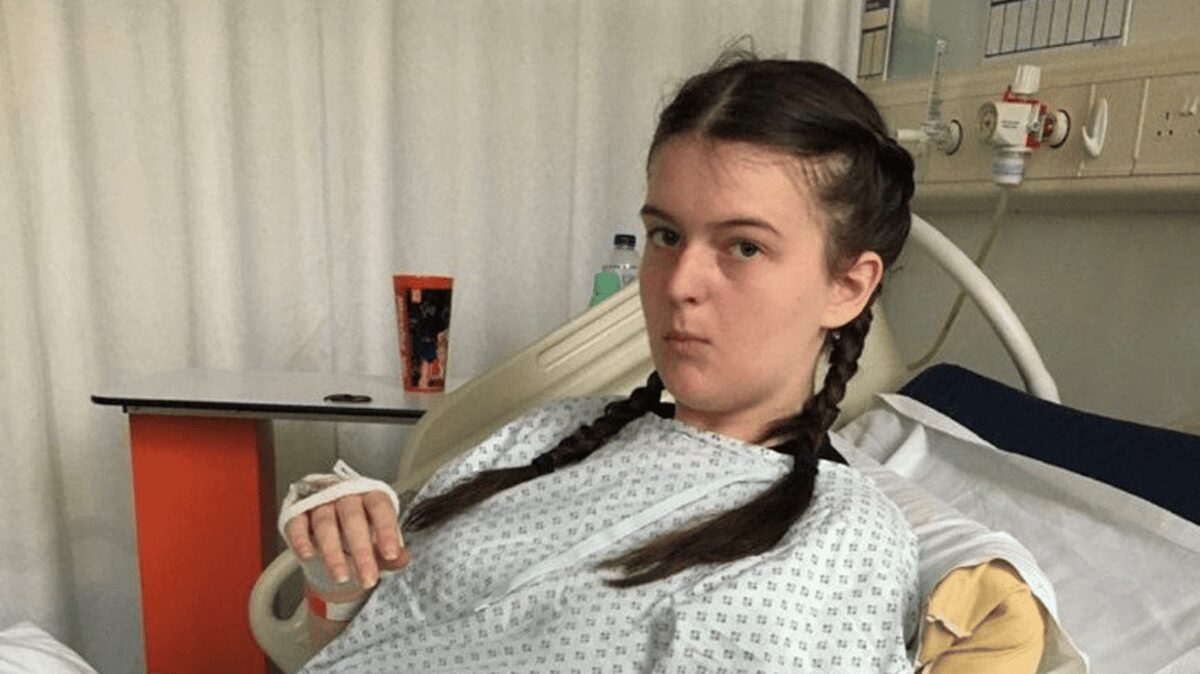
After years of severe headaches, a young woman was eventually found to have a brain tumour after 15 doctors reportedly dismissed her symptoms, with one suggestion being that they were caused by “eating too much chocolate”.
Sophie Barclay, now 21, had been struggling with intense headaches throughout her teenage years.
She said she went to her GP many times to seek help, but felt her concerns were repeatedly brushed aside, leaving her feeling as though she was being treated as “like an over-dramatic teenager”.
The Leicestershire woman explained that her previous anxiety diagnosis appeared to influence how doctors viewed her condition, and she believes “they just put it down to that”.
She also said medics asked her to monitor what she was eating because “they thought I was eating too much chocolate and dairy”.
“I knew something was wrong as I’d had headaches for two years, and no one was listening,” she said.

Eventually, Sophie was referred for an MRI scan, though she said it felt as if this was only done “to shut me up and stop me coming back”.
The scan revealed she had pilocytic astrocytoma, a low-grade brain tumour that commonly affects children and young adults and is often classified as a WHO grade 1 tumour.
Although these tumours usually grow slowly and have a generally good prognosis when they can be removed completely, they can still cause serious symptoms depending on where they are in the brain. Headaches, nausea, vomiting, balance problems and signs of raised pressure in the head are all possible warning signs.
In children and teenagers, persistent headaches that are getting worse, headaches that wake someone in the morning, or headaches combined with vomiting, vision problems, weakness or poor coordination should be taken seriously and assessed promptly.
She described finally getting an answer as a relief, and she later underwent surgery to have the tumour removed.
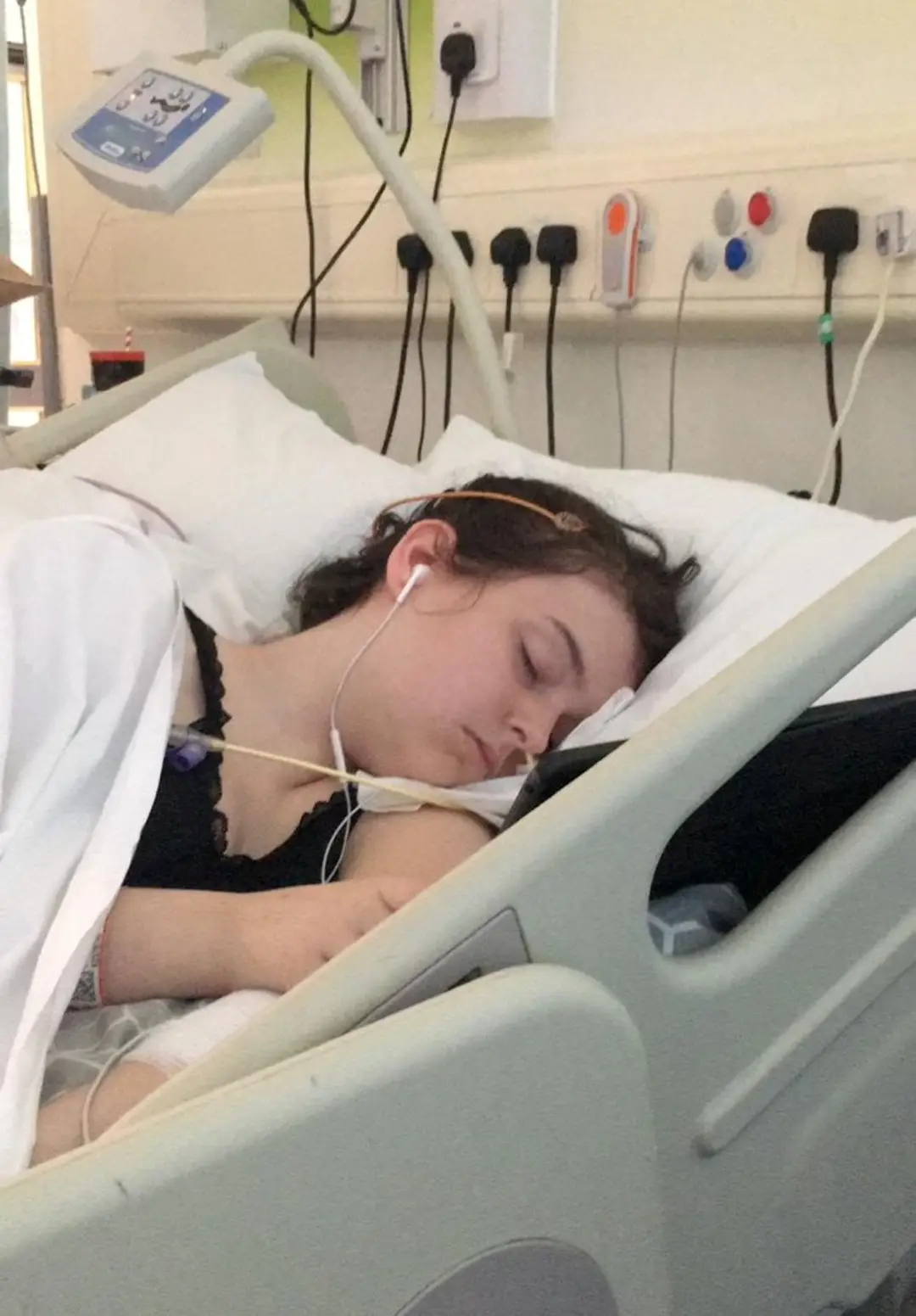
After the operation, however, Sophie developed posterior fossa syndrome, a condition that can occur following surgery to remove a brain tumour in the back of the brain.
It can affect speech, movement, coordination and swallowing, and recovery may involve a period of intensive rehabilitation.
“I lost the ability to walk, talk, swallow or even lift my head up,” she said. “I felt trapped in my own body, and I couldn’t even tell anyone if I was in pain.”
With the help of physiotherapy, speech and language therapy, and occupational therapy, she slowly regained those skills.
“I couldn’t talk for around two weeks and it took me around six weeks to learn how to walk again,” she said.
Sophie has now completed her second year studying psychology at De Montfort University and hopes speaking publicly will encourage others to trust their instincts about their health.
“I’ve learned that I know more about what’s wrong with me than someone else,” she said. “So, I’d say to others, if you know something is wrong, go to your GP but keep pushing.”
Dr Shaarna Shanmugavadivel, a CCLG Child Cancer Smart Research Fellow at the School of Medicine at the University of Nottingham and a paediatrician specialising in emergency medicine, explained that these tumours can be difficult to identify quickly.
“Low-grade gliomas in children are slow growing and so symptoms can accumulate more slowly than with other brain tumours.
“The symptoms that they present with depends on where in the brain the tumour is growing, as with any other brain tumour, and the symptoms can be non-specific which can take some time to reach a diagnosis.
“As the tumour grows, there is more risk of brain injury including loss of vision and so it’s really important to diagnose as early as possible.“
Brain tumours remain relatively rare, but experts say the biggest challenge is that their early signs can look like common problems such as migraines, stress, dehydration or sinus issues. That can make it especially important to look for patterns, such as headaches that keep returning, become more severe, or come with other neurological symptoms.
In Sophie’s case, the combination of long-running headaches and repeated appointments eventually led to the scan that revealed the tumour. Her story has become a reminder that a previous mental health diagnosis should not be used to automatically explain away physical symptoms.
While most headaches are not caused by anything serious, doctors advise people to seek urgent medical help if symptoms are sudden, severe, or accompanied by vomiting, vision changes, weakness, confusion, seizures or problems with balance and speech.