


An 18-year-old woman says her sudden fixation on the Frozen soundtrack and children’s films turned out to be an early warning sign of anti-NMDA receptor encephalitis, a rare autoimmune brain disease that can cause dangerous inflammation and swelling in the brain.
Elise Seymour, from Hampshire, UK, noticed something was wrong during a holiday in Rhodes in September 2025, when she spent the final three days of the trip wanting to stay inside her hotel room watching children’s television.
On the journey home, she listened continuously to Disney music and also began experiencing confusion, agitation and overwhelming fatigue.
After suffering a seizure, Elise was taken to hospital on September 28, 2025. She went on to have more seizures and was admitted again on October 12.
Doctors later diagnosed her with autoimmune anti-N-methyl-D-aspartate (NMDA) receptor encephalitis on October 17, 2025.
The rare and potentially fatal illness causes the body’s immune system to attack brain cells, leading to inflammation and swelling. Anti-NMDA receptor encephalitis is one of the better-known forms of autoimmune encephalitis and can affect memory, behavior, movement, speech and awareness. It is often seen in younger people, including children and young adults, and treatment is generally most effective when started early.
According to Elise, her unusual comfort in childhood music and films was later identified by doctors as part of how her brain was reacting to the illness.
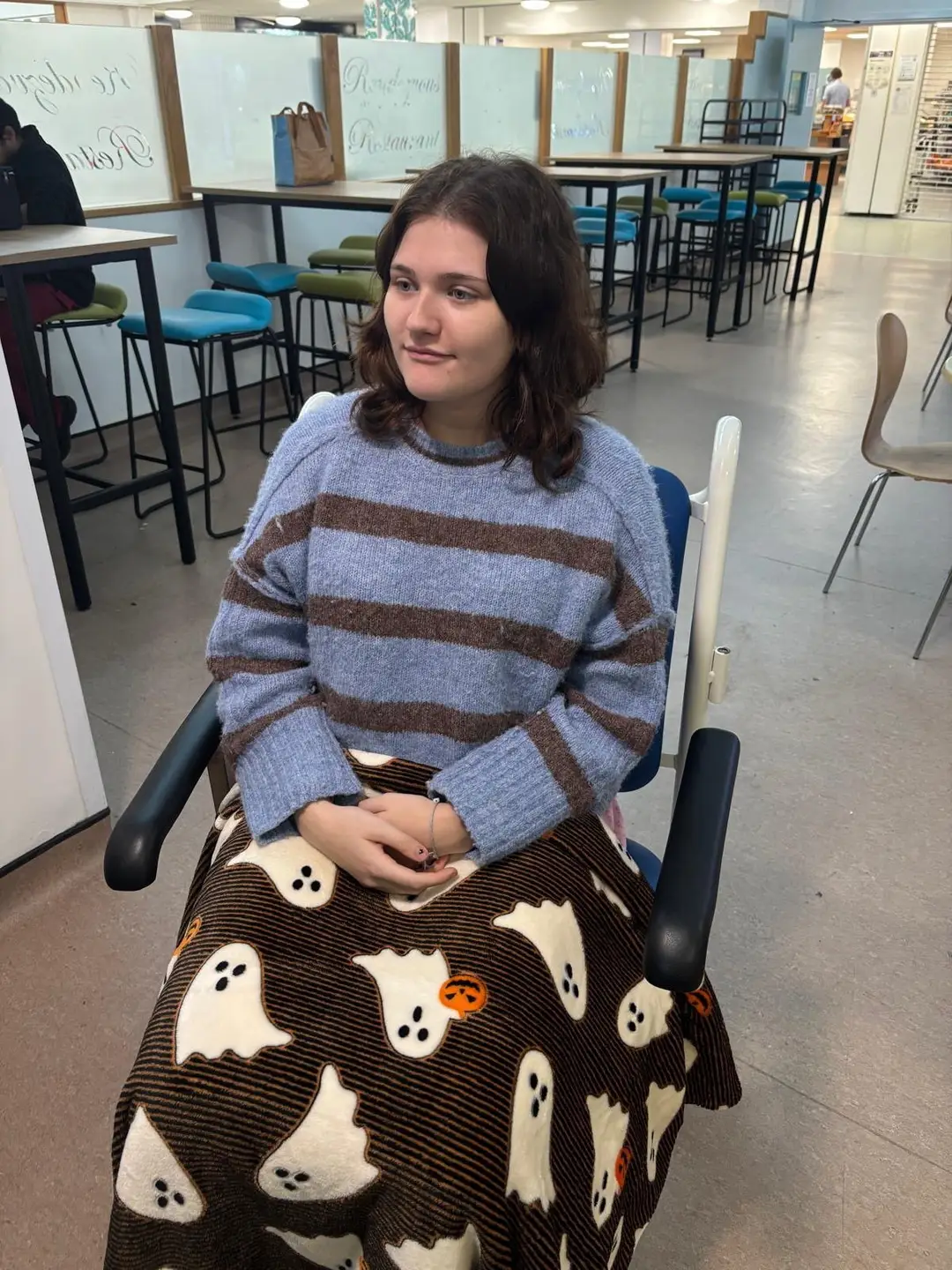
Elise, a waitress from Hampshire, UK, said: “I am so lucky to be alive. I’d never heard of this illness so I didn’t realise I was getting very unwell.
“Going back to my childhood was the most prominent symptom for me. A therapist explained it’s my brain going back to a time it can remember which feels safe.
“Looking back it’s clear that something was definitely not right. I was just lying there laughing at the TV. I honestly felt like a four-year-old, it was very confusing.”
While away in Rhodes with her then partner, Elise began finding it hard to understand what he was saying. At first, she assumed the problem was due to blocked ears after swimming.
She said: “I kept saying ‘what are you saying to me?’
“Everything just sounded like gibberish.”
She was also extremely exhausted, although she initially blamed that on recovering from flu shortly before the holiday.
During the three-and-a-half-hour flight back, she sat staring ahead and barely spoke. She later said she listened to the Frozen soundtrack for the entire trip home from London Gatwick Airport.
She said: “I have no memory of that flight. Things felt a bit less confusing at home, I think because of the familiarity.”

Once back home, her symptoms became even more obvious. She could no longer count to ten or recite the alphabet, and spent much of the following week in bed watching Minions and laughing at Despicable Me.
At one point, she even fell asleep with her face in her plate while eating a curry.
“I couldn’t do anything,” she said. “I was just crying hysterically, I was very very scared. I thought ‘If I can’t count to ten I’ve got no future’.
“I couldn’t remember things at work that I’ve known for over a year.”
She later developed severe aching and stiffness in her neck and back before collapsing in the shower with a seizure.
Paramedics took her to Basingstoke and North Hampshire Hospital, where staff checked her heart and blood pressure, confirmed that she had suffered a seizure, and sent her home after scans showed no immediate abnormalities and she had been monitored for several hours.
“It was terrifying,” she said, “I woke surrounded by paramedics, I had no idea what had happened. My head was hurting.
“My partner said I’d been trembling on the floor. I’d bitten my tongue very badly.”
The seizures did not stop, and after experiencing one during a routine GP appointment on October 12, she was sent back to hospital.
She then had another seizure in the waiting room. Elise became extremely distressed, and medical staff initially suspected psychosis, leading to her being sedated.
Further testing began to reveal the cause. A lumbar puncture found raised immunological activity, while an MRI showed inflammation in her brain along with abnormal brain activity.
On October 15, a neurologist began treatment for autoimmune anti NMDA receptor encephalitis using immunoglobulin and steroids.
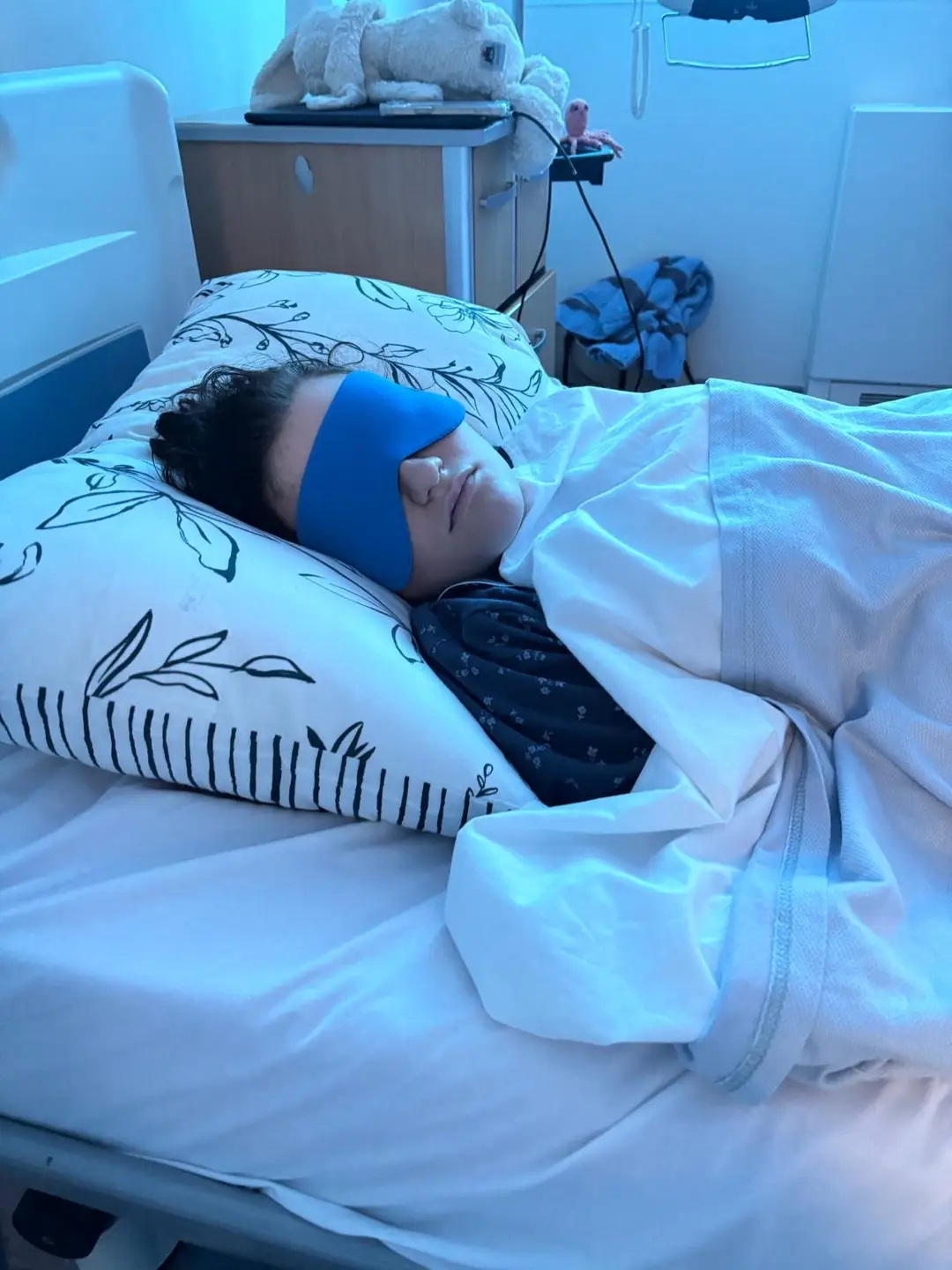
Elise said the neurologist told her that her symptoms reminded him of the film called Brain on Fire about someone with the disease.
Specialist blood testing in Oxford later confirmed the diagnosis of autoimmune anti NMDA receptor encephalitis.
She was discharged on October 28 and prescribed 40mg of steroids each morning to reduce inflammation, along with Omeprazole to help support her body. She gradually reduced the medication and stopped taking it last month.
The exact cause of autoimmune anti NMDA receptor encephalitis is still not fully known. In some cases, it can follow a viral illness, and in others it is linked to a tumor, most often an ovarian teratoma in women. Doctors say common warning signs can include confusion, personality changes, memory loss, seizures, abnormal movements, speech problems and psychosis-like symptoms.
Diagnosing the condition often involves MRI scans, lumbar puncture, EEG monitoring and antibody testing in blood or spinal fluid. Treatment usually includes high-dose steroids, intravenous immunoglobulin or plasma exchange, and sometimes stronger immune-suppressing drugs. If a tumor is found, removing it can improve the chances of recovery.
Elise believes stress and burnout following her A-levels and the start of work may have contributed to her becoming ill. During recovery, she said she had to relearn basic skills including speaking, writing and playing the guitar.
Although she still struggles with short-term memory, she was able to return to work in February.
Elise said: “It’s so important that people know about this illness. I am extremely lucky to be alive, and so grateful to have survived this. I was a completely different person.
“If you spot changes like this in yourself or someone you know get help straight away. Trust your instincts, and, even if nobody believes you, keep trying.
“It isn’t worth the risk of waiting.”