

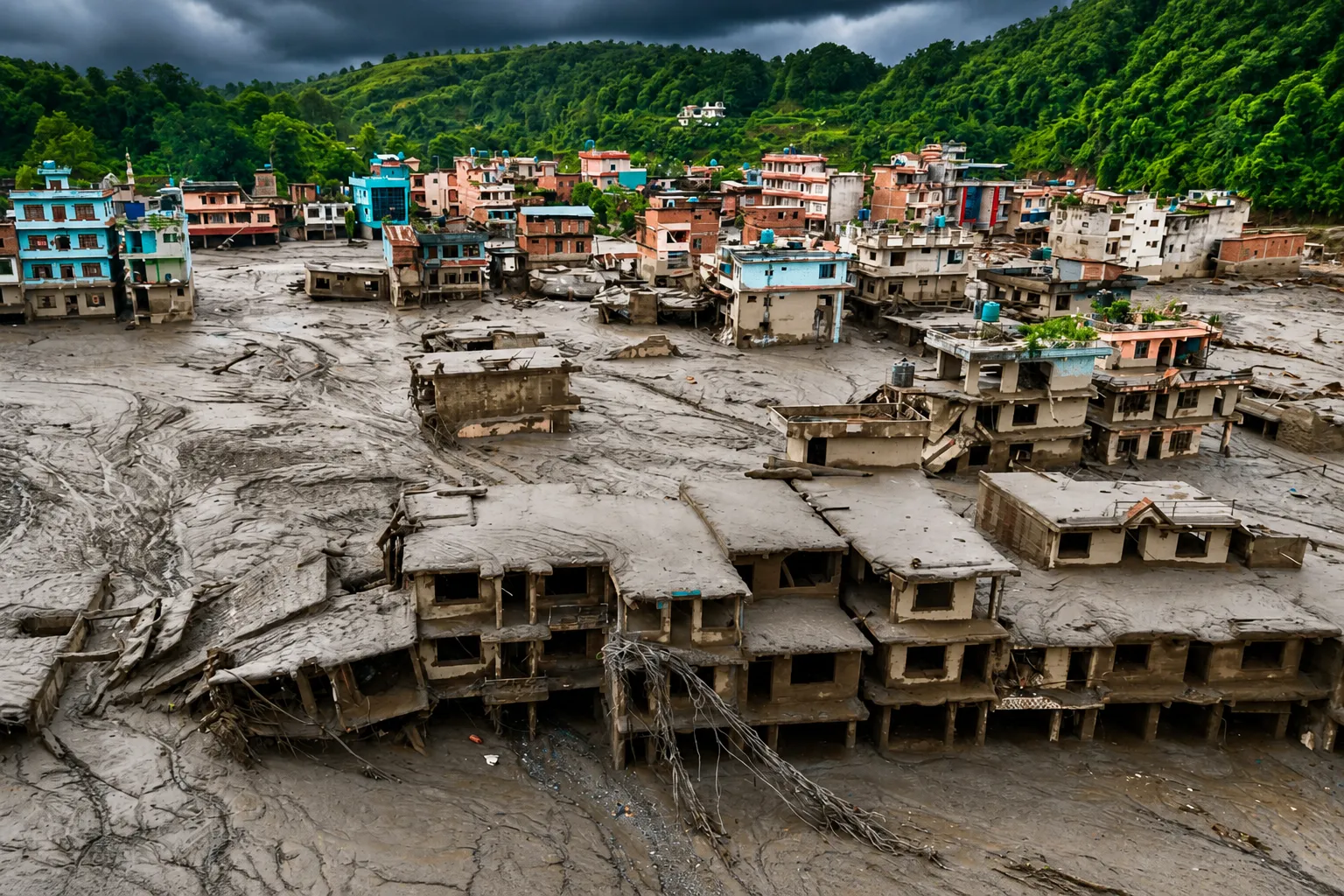
Nepal’s army spokesman has vowed rescuers will push deeper into mud-choked hydropower tunnels despite days of silence from anyone trapped inside.
Raja Ram Basnet, speaking for the Nepal Army, said on Sunday that a wall of debris has stalled efforts to reach hundreds of workers believed trapped since flash floods sealed tunnel entrances last Wednesday. The disaster, triggered by a glacier collapse near China’s Tibet border, has killed more than 900 people and left 4,250 missing across the Himalayan nation.
“A large amount of debris has been deposited and that is posing us a big challenge to open the tunnels,” Basnet said. “Our main focus is on opening the tunnels.”
He described the flood as an “unprecedented and devastating natural disaster” whose full scope remains unknown. On Facebook that same Sunday, Basnet posted about the scale of the response: nearly 21,000 security personnel joined by civilian volunteers and international rescue teams from China, India and South Korea.
“Despite the adverse weather, difficult terrain and continuing risks, we are moving forward with determination to save the lives of our citizens,” he wrote.
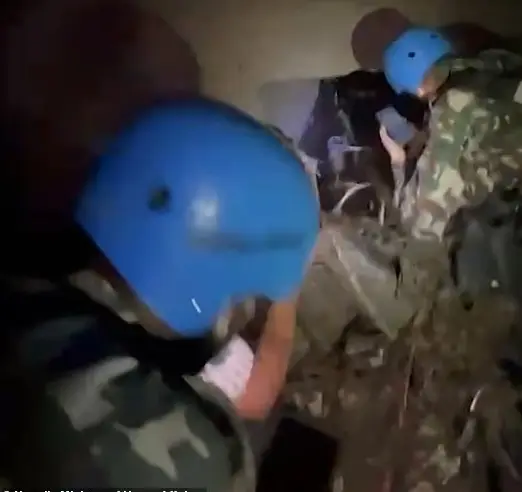
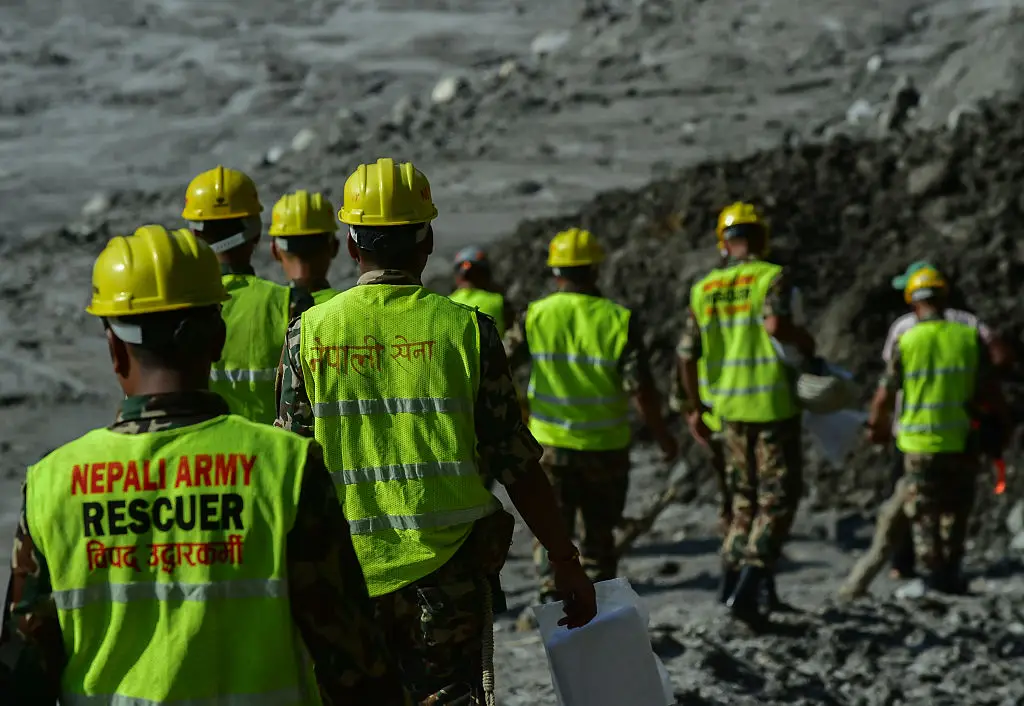
At the Upper Trishuli 3A site, crews punched through the tunnel’s upper section to pump air inside, then deployed excavators to dig toward possible survivors. Prime Minister Balendra Shah said rescuers rappelled down and shouted into the darkness but heard nothing back.
“When members of the team descended using ropes and called out to those inside, there was no response,” Shah said in a weekend update.
The silence has deepened fears for workers caught when mud, water and ice surged through the tunnel network five days ago. Rescue footage circulating on social media shows headlamp beams cutting through blackness as crews attack the blockage with heavy machinery and hand tools, shoveling sediment in near-impossible conditions.
A Chinese team at Upper Trishuli-1 pushed approximately 300 meters into one tunnel and recovered one body during their search. Indian rescuers working the Chilime Hydro tunnel hit a wall of mud and soil at the 100-meter mark, where they pulled two more bodies from the muck.
The recovered dead are decomposing beyond recognition, forcing authorities to collect DNA samples for identification. The grim task has slowed as crews balance body recovery against the urgent push to find anyone still alive in the oxygen-starved passages.
The glacier collapse that unleashed the deluge struck Nepal’s border region with China’s autonomous Tibet territory, sending a lethal mix of ice, rock and water cascading through valleys where hydropower construction was underway. The tunnels, part of multiple dam projects, became death traps when flash flood debris sealed their entrances and buried internal sections.
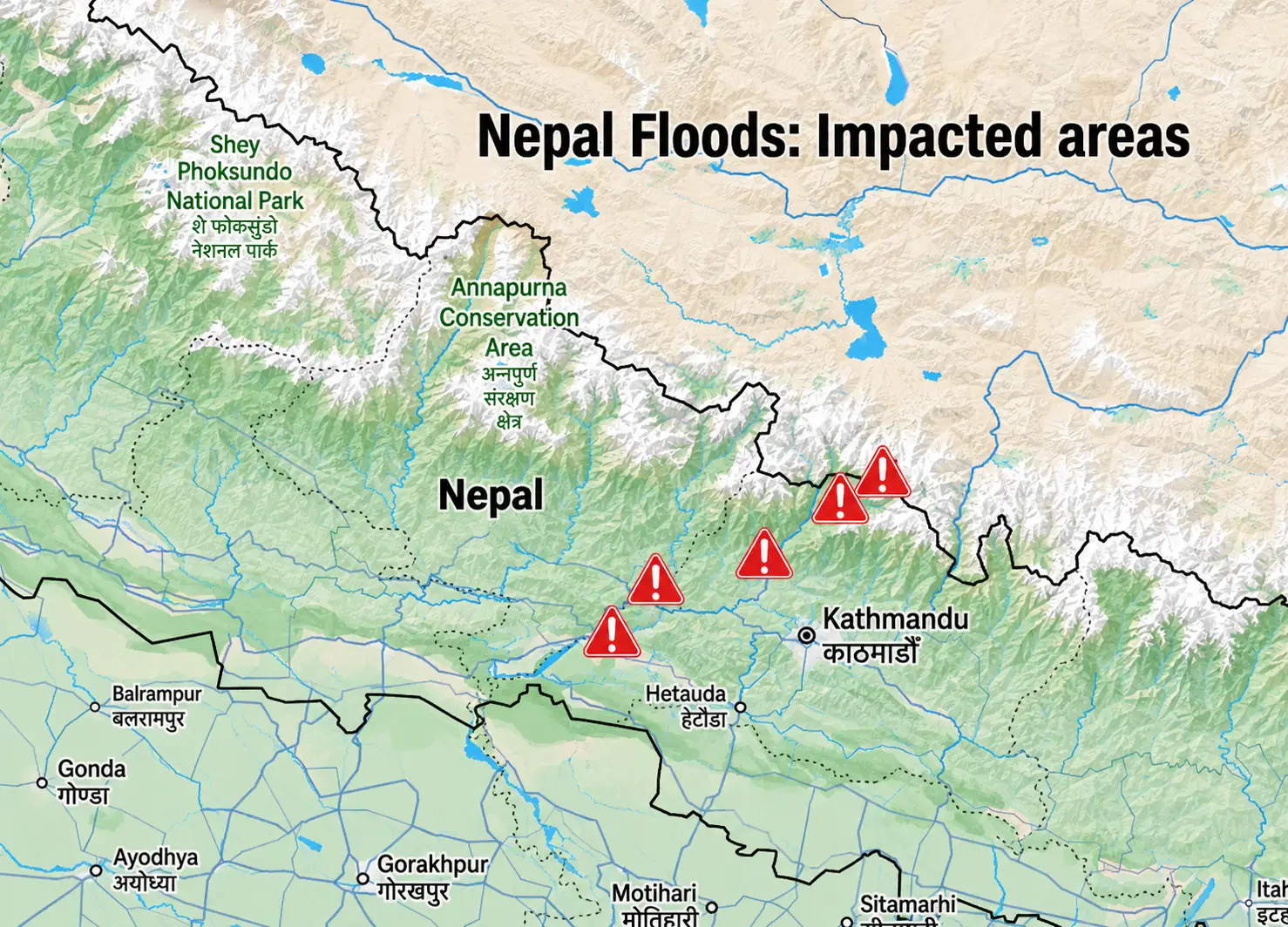
International teams continue boring through sediment at several sites, but no confirmed contact with trapped survivors has been established since the flood hit. Basnet acknowledged the operation’s brutal constraints while insisting it will not stop.
Weather systems over the region remain unstable, compounding the technical challenge of tunnel breaches and the physical toll on round-the-clock digging crews.