

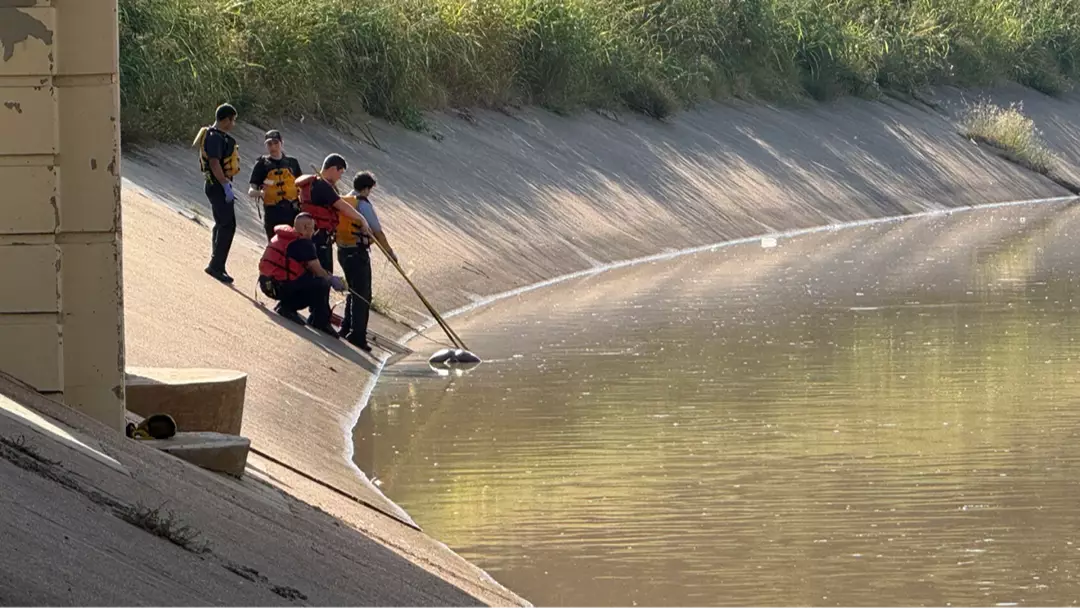
This year, Houston’s bayous have yielded nearly three dozen bodies, with a disturbing pre-Christmas discovery reigniting fears of a potential serial killer in the area.
Three additional bodies were found over a few days, as Texas authorities retrieved them from the Buffalo and Brays Bayous around the city from December 22 to 24. This sparked immediate speculation on social media, linking the discoveries to a possible serial murderer.
Nonetheless, officials have been quick to dispel these theories, even though 34 bodies have been recovered from the water bodies in the past year.
In an interview with the local media, Harris County District Attorney Sean Teare emphasized, “There is nothing, nothing, and I want to be crystal clear, to indicate that there is someone operating here as a serial killer,” in a one-on-one interview with KPRC 2. “There are many reasons for these deaths. None of them are a serial killer.”
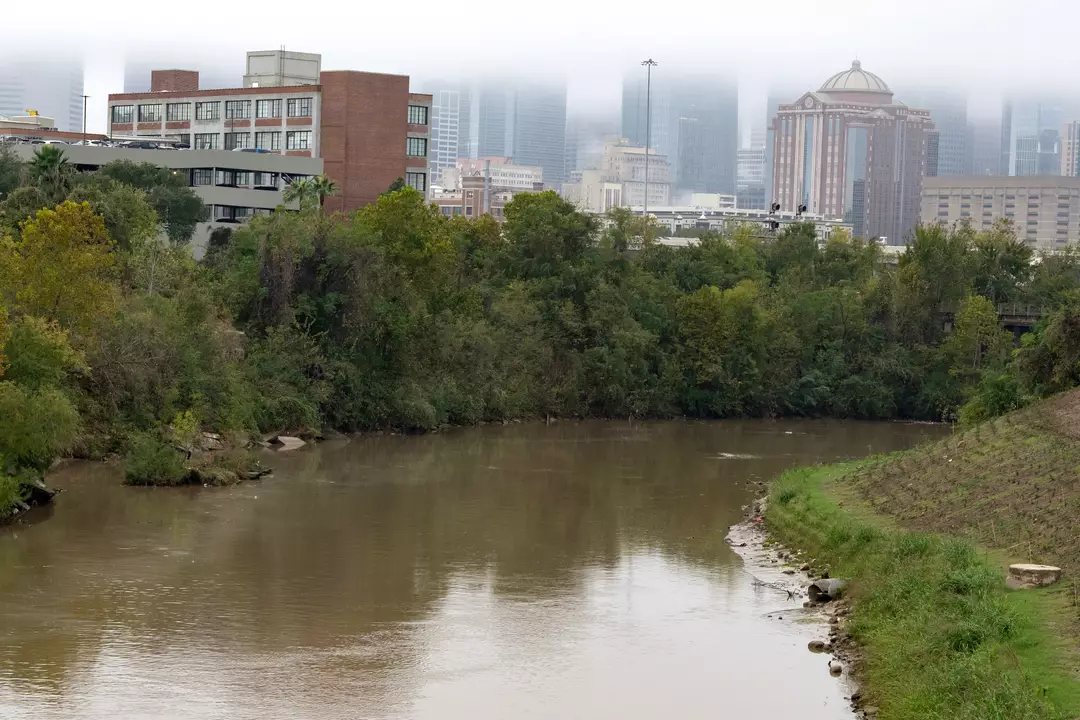
Teare identified three major challenges faced by the state that contribute to the discovery of these bodies, dismissing the notion of a serial killer in Houston.
The Harris County prosecutor cited issues such as mental health struggles, homelessness, and substance abuse as contributing factors, suggesting that individuals may end up in the bayous due to their vulnerable living conditions rather than criminal activity.
However, local resident Erick Cortez expressed his fears of a potential killer during an interview with ABC after the 34th body was found, stating: “There must be someone out there, no?
“Because it’s ridiculous that so many people are dying in the bayou, I think it’s unfortunate that they haven’t found the person.”
Back in September, Houston’s Mayor Whitmire addressed the situation after the body count reached 24, explaining: “We do not have any evidence that there is a serial killer loose.
“What do you think happens when a homeless person dies from an illness, diabetes or cancer? What do you think his friends and associates do? They do not take him to a funeral home.
“Unfortunately, the homeless, when they pass, often end up in the bayou.”
More updates forthcoming.