

If you’re standing in your kitchen staring at a carton of milk, a can of beans, or a package of yogurt with a date that has just passed, you might be wondering whether to toss it out or take your chances. Most Americans choose to throw it away. A significant majority of consumers report that they either always or usually discard food based on the date printed on the label, even though experts increasingly say this habit is driving an enormous waste problem in the United States.
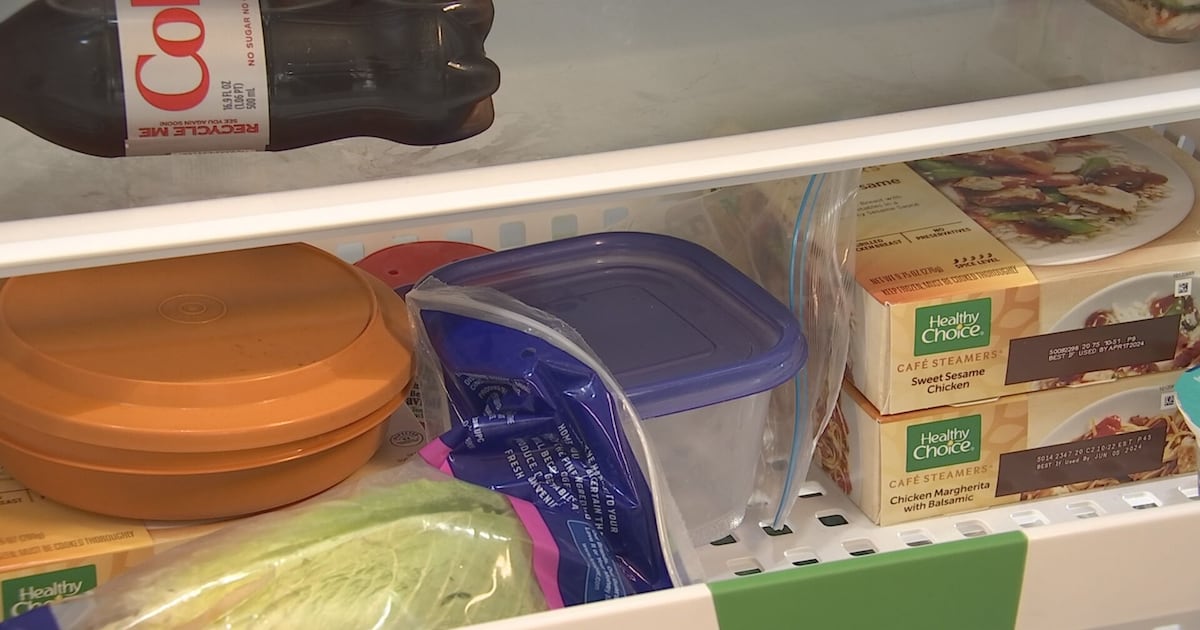
The confusion comes down to a fundamental misunderstanding about what those dates actually mean. Most of the dates stamped on food packaging are not safety dates at all—they are quality dates. The difference matters enormously, and it’s the driving force behind millions of tons of perfectly good food being sent to landfills every year.
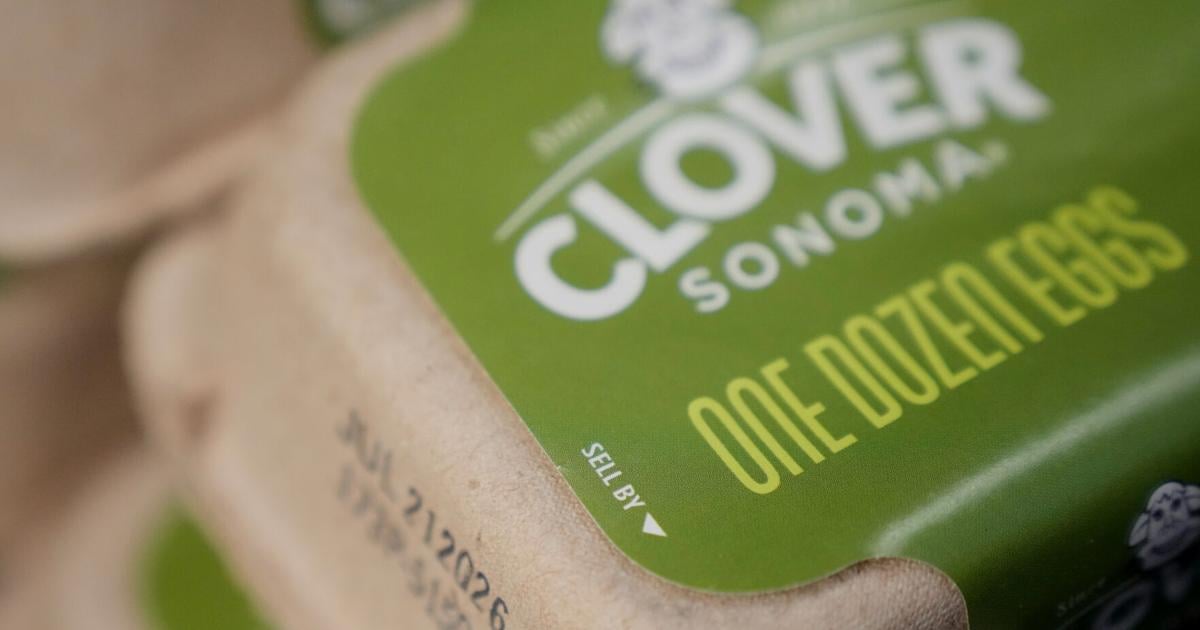
“Best if Used By” dates indicate when a product will be at its peak flavor and quality. “Sell By” dates are intended for retailers to know how long to display products on shelves for inventory management. “Use By” dates represent the last date a manufacturer recommends consuming a product while it’s at peak quality. Except for infant formula and a few other regulated products, none of these dates are required by federal law, and most are not related to food safety at all.
The FDA does not require expiration dates on most food products except for infant formula. Instead, manufacturers voluntarily choose to include date labels, and they can use whatever language they prefer. This has resulted in a confusing array of terms appearing on grocery store shelves. More than 50 different phrases have been documented on food labels across the United States, leaving consumers uncertain about which dates actually matter.
This confusion is costly. A recent study found that nearly 74 million tons of food were wasted in the United States in 2023, representing 31 percent of all food produced in the country. An estimated 20 percent of household food waste can be attributed to consumers throwing out food because they believe it has “expired.” The average American household is throwing away roughly $1,300 worth of food each year because of misinterpreted date labels. Beyond the financial impact, food rotting in landfills emits methane, a greenhouse gas 86 times more potent than carbon dioxide in the short term.
“Eighty-six percent of consumers report that they either always or usually throw food away based on the date,” said Emily Broad Leib, a food expiration date and food law expert, emphasizing that consumer uncertainty about what these dates mean is a major driver of food waste. Food waste reduction advocates estimate that standardizing date labels and educating consumers about what they actually mean could prevent 381,000 tons of food waste annually while saving 135 billion gallons of water.
The good news is that many foods remain safe and edible well beyond their printed dates. Unopened canned goods like beans, tomatoes, fruits, vegetables, and shelf-stable foods packaged in liquid will last for years after the date stamped on the label. The same is true for heat-treated and sealed products like soy milk or almond milk. According to the U.S. Department of Agriculture, most shelf-stable foods are safe more or less indefinitely if they remain unopened and stored properly in a cool, dry place.
For specific products, guidelines vary. Milk that is properly refrigerated typically remains good for five to seven days past its “Sell By” date. Eggs can be safely eaten three to five weeks after purchase, even if the date has passed. Hard block cheese can continue to be eaten safely even if mold appears on the surface—the mold can be cut away. Canned low-acid foods like meats, beans, and vegetables generally last two to five years after the printed date, while high-acid foods like tomatoes last between 12 and 18 months.
Rather than relying solely on dates, experts recommend using your senses to determine if food is actually unsafe. Look for visible signs of spoilage like mold, discoloration, or sliminess. Trust your nose—an unpleasant odor is often a reliable indicator that bacteria or mold have begun to grow. Check the texture and consistency. For perishable items, if something looks, smells, or tastes off, it’s reasonable to discard it. But these signs of food spoilage—the ones that make food unappealing—are typically different from the bacteria and pathogens that actually cause foodborne illness, which can contaminate food without changing its appearance or smell.
For canned goods, condition matters more than date. Discard any cans that are leaking, bulging, deeply dented, or rusted. For most other shelf-stable products, the printed date is guidance for peak freshness and flavor, not a hard deadline for safety.
“If something smells off, that’s your number one indicator to throw it out. If it looks off, if the texture doesn’t look the same,” said one registered dietitian. “And then of course, if something tastes off, you should throw it away, too.”
Recognizing the difference between quality dates and safety dates could have a significant impact on household food waste. Some states are already taking action. California recently passed legislation requiring manufacturers to use standardized language starting July 2026, with “Best By” for quality and “Use By” for safety. At the federal level, the FDA and USDA are considering recommendations to standardize date labeling nationwide.
In the meantime, experts recommend storing food properly to extend its shelf life, rotating stock so older items are used first, and resisting the automatic impulse to discard food based solely on a printed date. Food that still looks and smells normal is not waste—it’s still food.