


A survey has found the 25 happiest countries in the world.
Happiness isn’t the easiest thing to quantify, especially when two people can have completely different ideas of what it means to feel content.
Even so, a new report has attempted to capture how people rate their lives across the globe, producing a league table of which nations come out on top.
The findings come from the 2026 World Happiness Report, published to mark the United Nations’ International Day of Happiness. The report compares more than 140 countries to determine which populations report the highest overall well-being.
Much of the information used comes from the Gallup World Poll. As in previous editions, countries from one particular region feature heavily near the top of the list, though there’s a standout entry this year that breaks up the familiar pattern.
John F. Helliwell, a founding editor of the report, said: “When it comes to happiness, building what is good in life is more important than finding and fixing what is bad.
“Both need doing, now more than ever.”
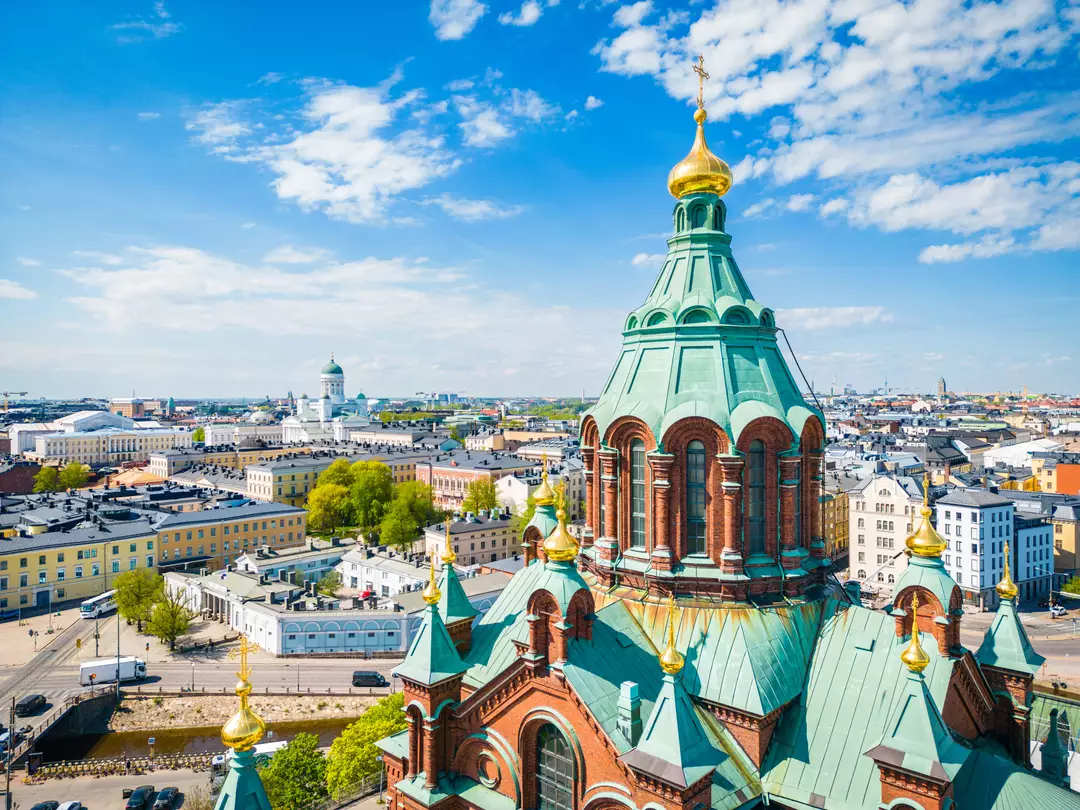
This year, Finland sits at number one again, returning to the top of the rankings.
Philosopher Frank Martela, who studies the science of happiness, suggested the result isn’t surprising.
“Happiness is taken seriously in Finland, where well-being is a core focus of policy and everyday life,” he said.
The wider Nordic region also features prominently near the very top. Iceland takes second place, while Denmark ranks third, having previously held the number-one spot in past editions.
Sweden also lands within the top five, meaning Nordic countries account for four of the first five positions. However, the top tier isn’t exclusively European this time around.
Costa Rica has continued its upward climb and now holds fourth place, providing a notable presence from another continent among the very highest-ranked countries.

Overall, the report ranks more than 140 nations based on how people living in each country assess their lives.
Drawing on Gallup World Poll responses, the methodology looks at several measures designed to build a broader picture of day-to-day well-being and stability.
Among the factors considered are healthy life expectancy, generosity, personal freedom, perceptions of corruption, and levels of social support.