


The UK has enacted a major new law that will make it unlawful to sell tobacco products to anyone born after January 1 2009.
Until now, people needed to be at least 18 to purchase tobacco legally. Under the new approach, those born after that date will never be legally permitted to buy tobacco at any point in their lives.
Ministers say the policy is designed to prevent smoking before it starts, arguing that stopping uptake is more effective than trying to help established smokers quit later on.
UK Health and Social Care Secretary Wes Streeting said: “Prevention is better than cure — this reform will save lives, ease pressure on the NHS [National Health Service], and build a healthier Britain.”
Opponents have claimed the measure goes too far and infringes on personal liberty, noting that smoking rates have already been declining following restrictions like bans in many public indoor spaces (including pubs) along with long-running public health campaigns.

Despite the criticism, the legislation has now received royal assent, meaning King Charles III has formally approved it and it is now law.
The bill was introduced to ‘create a smoke-free generation, gradually ending the sale of tobacco products across the country and breaking the cycle of addiction and disadvantage’.
It also aims to ‘strengthen the existing powers to ban smoking in public places to reduce harms of passive smoking, particularly around children and vulnerable people.’
Alongside the core ban tied to year of birth, the text also includes provisions aimed at tightening rules around how vaping products are marketed.
It’s a significant shift for the UK, but it’s not the only place pursuing tougher anti-smoking policies.
France may be closely associated with café culture and cigarettes, but President Emmanuel Macron has previously discussed an ambition for all 20-year-olds to be smoke-free by 2030.
That goal is linked to steps such as expanding smoke-free zones and pushing prices higher.
Portugal has outlined comparable ambitions, though on a longer timeline, targeting 2040. Part of its plan involves limiting where tobacco can be sold—restricting sales to tobacconists and airport shops—so supermarkets, bars, and off-licenses would no longer be able to stock tobacco products.
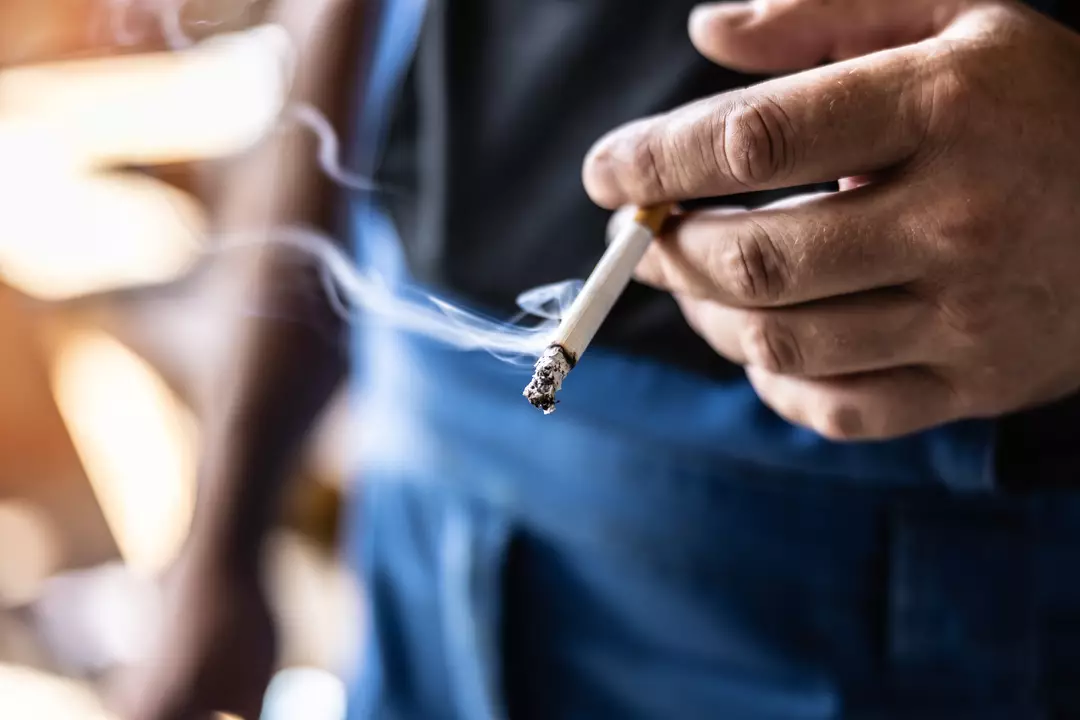
Canada is aiming to bring national smoking rates down to five percent by 2035, including tougher warning requirements on tobacco products.
While cigarette packs already carry health warnings, proposals would go further by putting warnings on each individual cigarette.
These warnings would also extend to filter paper.
In Australia, Queensland—the country’s largest state—has rolled out a push for more smoke-free public spaces.
The campaign includes areas such as school car parks, as well as events intended for under-18s.
Mexico has broadened earlier restrictions that covered workplaces and hospitality venues like bars, cafés, and restaurants, extending the ban to all public environments.
That includes places such as beaches and parks, which in practice largely confines smoking to private homes.
On top of that, the promotion of tobacco products has also been prohibited.