

The Ebola outbreak spreading across eastern Democratic Republic of Congo has become the fastest-growing in history, according to health authorities, but the surge in cases is being hampered by unprecedented challenges that extend far beyond the laboratory and treatment centers.
The outbreak, caused by the rare Bundibugyo virus, has infected nearly 2,000 people and killed more than 700 in the two months since it was officially declared in May. The speed of transmission already surpasses that of the deadliest Ebola epidemic on record. During the first six weeks of the devastating 2013-2016 West Africa outbreak, there were 994 confirmed cases, but the current outbreak had registered 1,596 cases in the same timeframe.
What makes this crisis particularly alarming is the virus itself. The Bundibugyo strain has no approved vaccine and no proven treatment, leaving clinicians with only supportive care as a defensive tool. The virus also went undetected for weeks before the outbreak was officially announced, with testing laboratories looking for a more common Ebola type while the Bundibugyo cases multiplied unnoticed.
The geographic spread adds another layer of concern. Cases have now been confirmed in five provinces across the vast and densely populated region, with suspected cases appearing in Kisangani, one of Congo’s largest cities. Contact tracers are struggling to keep pace with transmission, achieving only an 82 percent follow-up rate when the World Health Organization estimates that 95 percent is needed to control the outbreak.
But the virus and geography are only part of the story. The outbreak is unfolding in a region ravaged by decades of armed conflict, where health infrastructure is skeletal and trust in authorities is fragile. These conditions have created a perfect storm of obstacles that are actively hindering response efforts.
Worker unrest has now emerged as an immediate threat to containment. Dozens of staff members at Rwampara General Hospital, the largest treatment center in the outbreak’s epicenter in Ituri province, went on strike this week over unpaid salaries. Epidemiologists, case investigators, drivers, and gravediggers have not been compensated for two months of work since the outbreak began. The hospital was shuttered as protesting workers blocked access roads. One health worker stated that he and his colleagues did not want to abandon their posts but could not continue without pay.
The Congolese health minister acknowledged the complications, noting that some unrelated names had been added to payroll lists, preventing payments from reaching those actually working in the response. The government said it would verify the lists and ensure proper distribution, but the delay has already created dangerous gaps in response capacity at a critical moment.
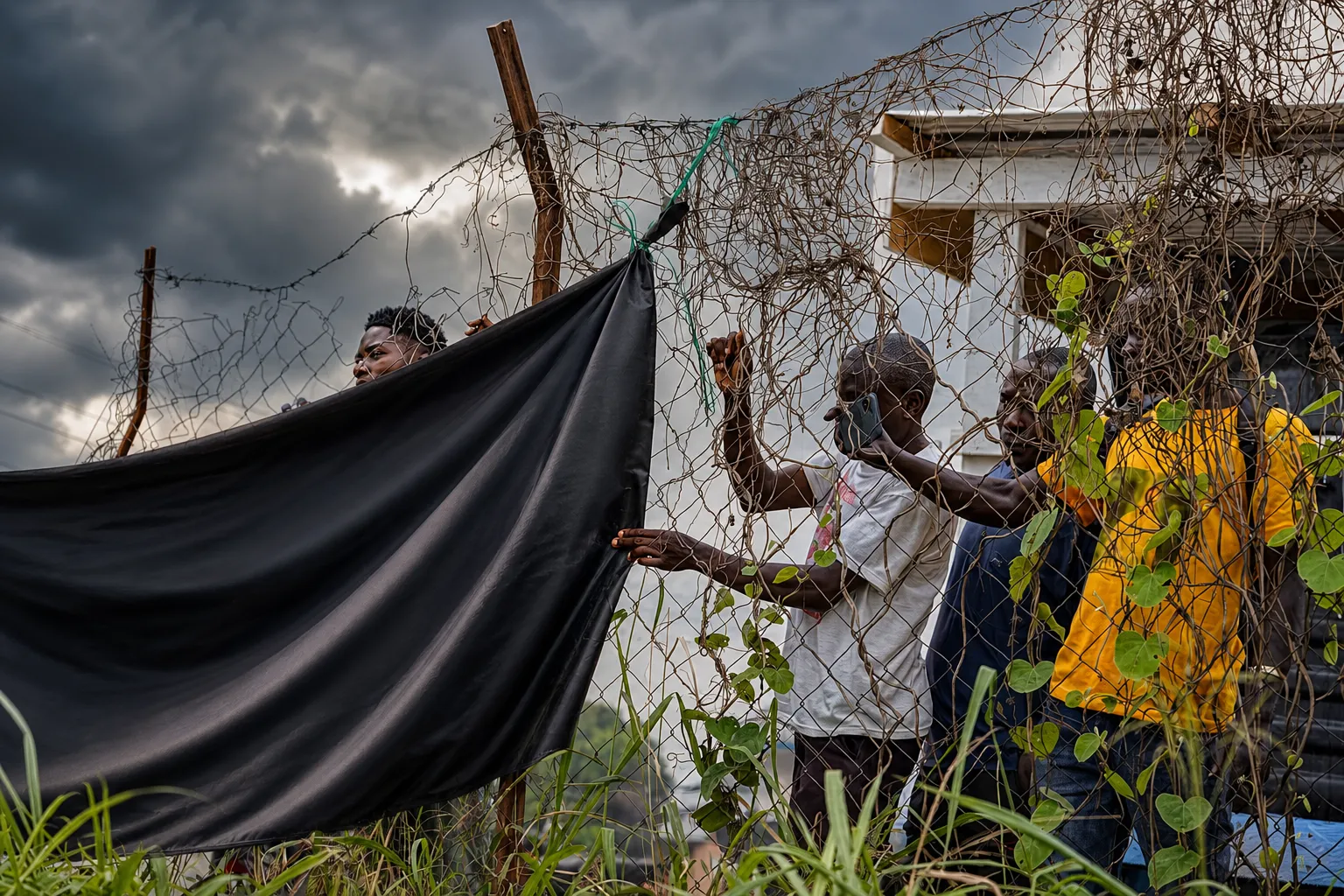
Community mistrust poses perhaps the most intractable challenge. In some areas, residents are refusing to accept that Ebola is even real, dismissing it as a Western conspiracy or an invention by authorities for financial gain. This skepticism is rooted in decades of exploitation, neglect, and misrule that have left communities with little reason to trust government or international institutions. When outside responders arrive in full protective equipment, many locals view them with suspicion rather than gratitude.
The mistrust has turned violent in some cases. Angry crowds have attacked treatment centers and burned isolation tents. Health workers have been assaulted, and in one incident, two people were killed during an attack on a treatment facility. These acts of aggression have made contact tracing nearly impossible in some areas, as people refuse to divulge their movements or allow family members to be tested.
Ongoing armed conflict in the region compounds all of these problems. Rebel groups have seized parts of affected areas, creating security vacuums that prevent responders from reaching patients. Violence against healthcare workers has left many injured while treating patients. Shortages of personal protective equipment in some areas have forced health workers to care for highly contagious patients with inadequate protection, leading to infections among responders themselves.
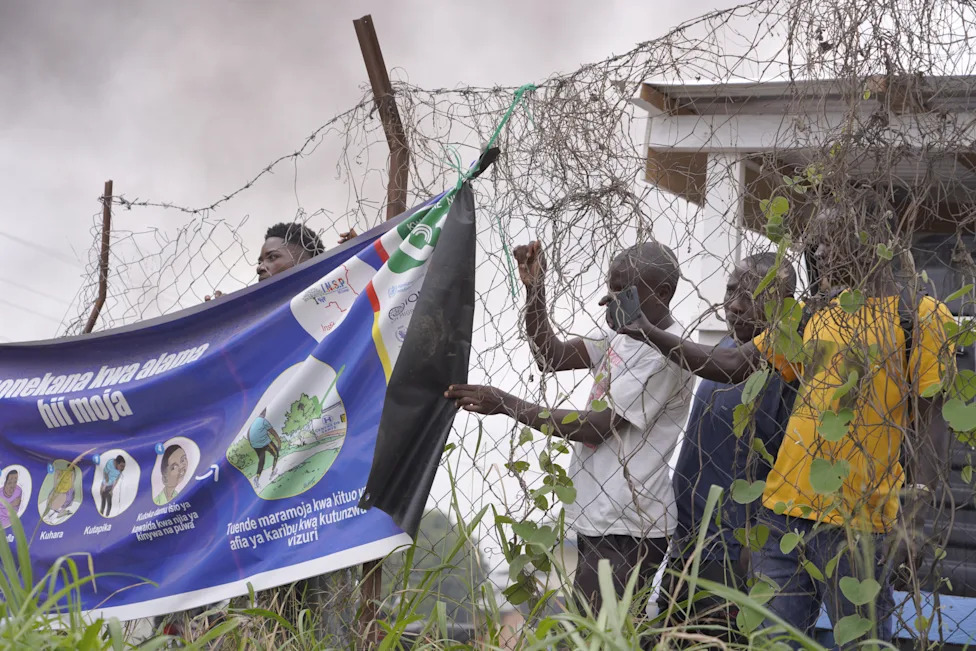
Misinformation has filled the void left by limited access. Radio stations have launched daily programs attempting to combat rumors and build trust. Community health workers and religious leaders have begun conducting door-to-door visits to spread accurate information. These efforts are labor-intensive and slow to produce results in areas where official communication has long been absent or perceived as hostile.
Despite these obstacles, there are signs of progress in the research sphere. Clinical trials have begun testing experimental treatments that offer a sliver of hope. The first patients were enrolled in a major trial evaluating a monoclonal antibody therapy called MBP134 and an antiviral drug called remdesivir, either alone or in combination. A separate trial is testing an oral antiviral called obeldesivir as a preventive measure for people exposed to the virus. These trials could take months to complete and may ultimately provide the first evidence-based treatment options for this particular Ebola strain.
But researchers have cautioned that these trials must run carefully amid the chaos. Violence, mistrust, and the difficulty of conducting clinical research in a conflict zone all threaten to slow enrollment and data collection. Contact tracers must identify participants quickly and reliably, yet the very people who might benefit from these experimental treatments are often the most resistant to approaching health facilities.
The outbreak continues its rapid spread despite the deployment of international responders and support from organizations like Doctors Without Borders. The response, led by the Congolese Ministry of Health and supported by numerous international partners, is expanding but still falls far short of what experts say is needed. The World Health Organization is seeking $115 million to strengthen its response efforts, of which less than a third has been received.
As cases climb and the virus spreads to new areas, the race between response capacity and transmission speed grows more urgent. The virus, having circulated undetected for weeks before the official declaration, may already be much more widespread than official figures suggest. Health authorities acknowledge they do not yet know the true extent of the outbreak or precisely how far it has penetrated into the region.
The next weeks will be critical. If worker strikes spread as feared, if community mistrust deepens, or if armed conflict disrupts response efforts further, the Bundibugyo outbreak could become the largest Ebola epidemic ever recorded, surpassing even the West Africa crisis that killed more than 11,000 people. If experimental treatments prove effective and community engagement improves, there remains a path to containing the spread. But for now, the fastest-growing Ebola outbreak in history continues to outpace every effort to stop it.