


Colin Gray, the father of the teenager who killed four people at Georgia’s Apalachee High School, is set to be sentenced Thursday on charges stemming from providing the rifle his son used in the 2024 shooting. The sentencing comes after Gray was convicted in March on 27 counts, including two counts of second-degree murder and two counts of involuntary manslaughter, making him the first parent in the United States to be convicted of murder for a school shooting committed by his child.
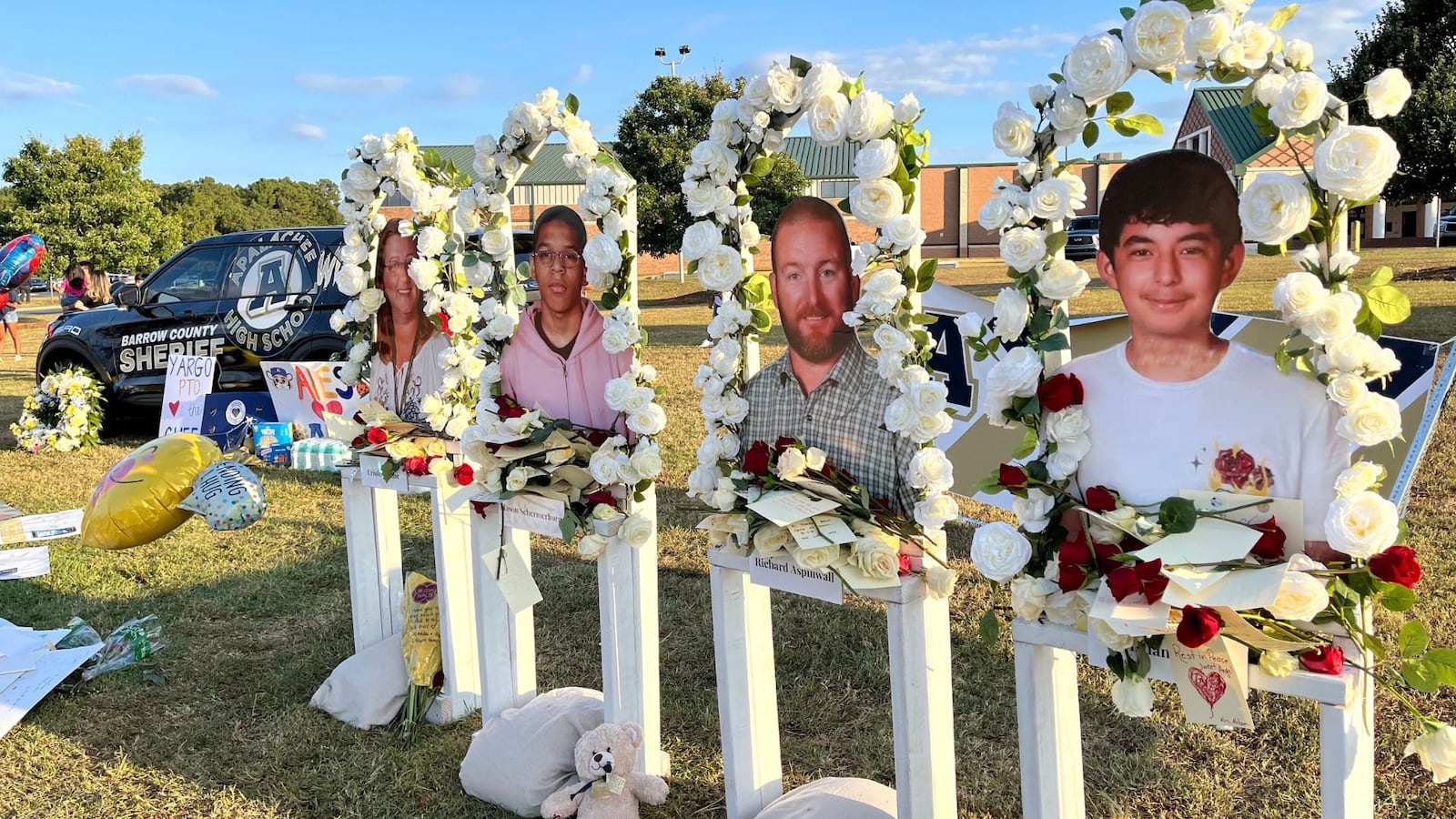
The case stems from the deadliest school shooting in Georgia history, which occurred on September 4, 2024, when Colt Gray, then 14 years old, opened fire at Apalachee High School in Winder, about 45 miles northeast of Atlanta. Two students, Mason Schermerhorn and Christian Angulo, both 14, and two teachers, Richard Aspinwall and Cristina Irimie, were killed. Nine others, including another teacher, were wounded.
Colin Gray faces a maximum of 180 years in prison. According to prosecutors and testimony presented during his trial, Gray purchased an AR-15-style rifle as a Christmas gift for his son despite multiple warning signs that the teenager was a danger to himself and others. He also purchased ammunition and tactical accessories for the weapon, while continuing to allow Colt unsecured access to it throughout the months leading to the shooting.
The prosecution’s case centered on Gray’s failure to act on warnings he received about his son’s deteriorating mental state and violent ideation. Colt Gray had made threatening comments online, and law enforcement visited the family home in May 2023 after an investigation into school shooting threats that were traced to the teenager. Colt denied making the threat at the time, and the matter was not pursued. However, Colin Gray still purchased the firearm later that year as a Christmas present.
Colt’s mother, Marcee Gray, testified during Colin’s trial that she had repeatedly urged her estranged husband to secure the firearms in their home. She spoke to him multiple times about locking the guns in his truck, a request he initially agreed to but never followed through on. In July 2024, Marcee testified that she witnessed Colt’s mental health deteriorating rapidly, noting he showed significant anxiety and panic attacks. She said she urged Colin to seek professional help for their son through crisis counseling, but he did not pursue it.
Evidence presented at trial showed that although Colin Gray searched online for mental health resources for troubled teens in the days before the shooting, he continued purchasing ammunition and tactical accessories for the rifle he had given his son. Financial records showed no purchases of gun safes or secure storage devices despite having the means to do so. Investigators testified that when police arrived at the Gray home on the morning of the shooting, Colin Gray allegedly told them, “I knew it,” apparently in reference to his son being the suspect.
During the trial, testimony revealed that Colt Gray had kept photos of Nikolas Cruz, the Parkland, Florida school shooter, pinned to his bedroom wall and that Colin Gray was aware of this obsession. Colt had also sent a text message to his father weeks before the shooting that read, “Whenever something happens just know the blood is on your hands.” Despite this explicit warning, Colin Gray took no action to remove the firearm or restrict his son’s access to it.
The jury deliberated for less than two hours before convicting Colin Gray on all 27 counts submitted for deliberation. In addition to second-degree murder and involuntary manslaughter charges, he was convicted of 18 counts of cruelty to children and five counts of reckless conduct. Under Georgia law, second-degree murder involves causing the death of a child while committing the crime of cruelty to children.
The conviction is unprecedented in scope and severity. While other parents of school shooters have faced charges, Colin Gray is the first to be convicted of murder itself. In 2021, James and Jennifer Crumbley, parents of a teenager who killed four students at his Michigan high school, were each convicted of manslaughter and sentenced to 10 to 15 years in prison. Gray’s conviction on murder charges sets a new legal standard for parental accountability in school shooting cases.
The case gained significant attention as it raised questions about how far prosecutors can go in holding parents criminally responsible for their children’s actions. Barrow County District Attorney Brad Smith emphasized that the case was about Colin Gray’s own actions and negligence, not about punishing him simply for being the parent of a shooter. He noted that Gray had warning signs, failed to secure the weapon, and made active choices to arm his son while ignoring red flags.

Meanwhile, Colt Gray has already received his sentence. The teenager pleaded guilty last week to all 55 charges against him, including four counts of malice murder, and was sentenced Tuesday to life in prison without the possibility of parole. During his sentencing hearing, testimony revealed that he had become obsessed with other mass shooters and carried out the attack specifically to gain fame and notoriety within an online true crime community. Judge Nicholas Primm, who presided over both cases, described the shooting as reflecting “permanent incorrigibility” and called Colt’s actions “deliberate, contemplated evil.”
Recorded jail calls between Colt and his mother from October and November 2024 played during his sentencing hearing showed him appearing to revel in his notoriety, saying at one point, “I’m in the big leagues, bro,” in reference to being compared to mass shooters at Columbine and Sandy Hook. Investigators testified that he had more than 2,000 photos of the Parkland gunman saved on his phone.
Now, with Colin Gray’s sentencing scheduled for Thursday, the Barrow County community faces what many see as the conclusion of a tragic chapter. The case has profound implications for how American law handles the responsibility of gun-owning parents and whether criminal liability can extend to those who fail to secure weapons when they have clear knowledge that a family member poses a danger to others.