

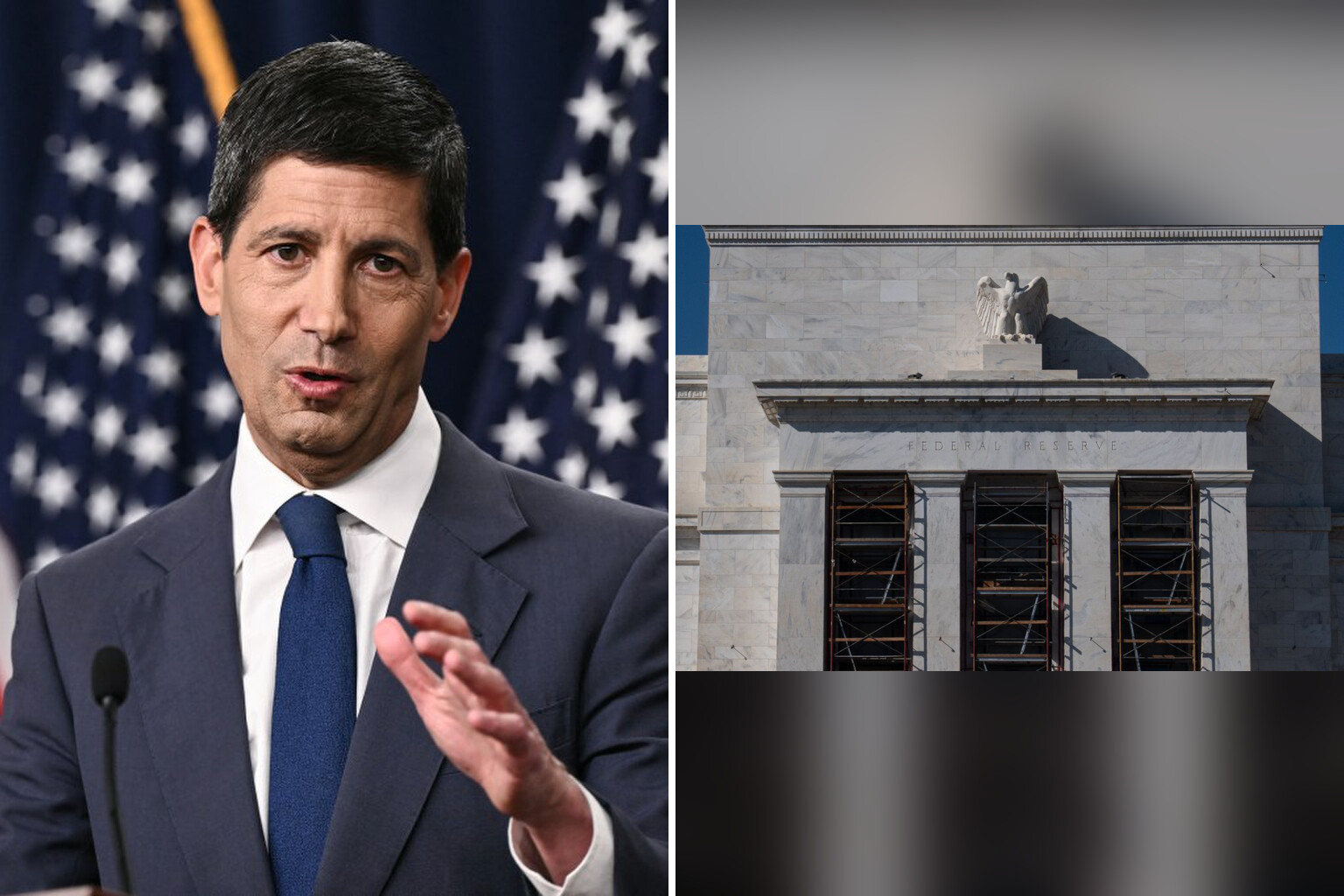
President Trump issued an all-caps demand for lower rates just hours after the Federal Reserve raised them.
The Fed on Wednesday approved its first rate hike in three years, lifting the benchmark by a quarter point to a range of 3.75% to 4%. The unanimous vote marked the first policy move under Chair Kevin Warsh, 54, whom Trump hand-picked after years of attacking predecessor Jerome Powell.
Warsh took the helm in May and had held rates steady through his first months. At a press conference following the vote, he defended the decision in direct terms.
“The plain fact is that inflation is too high and has been for too long,” Warsh said. “Today’s action starts to show that we’re serious about this.”
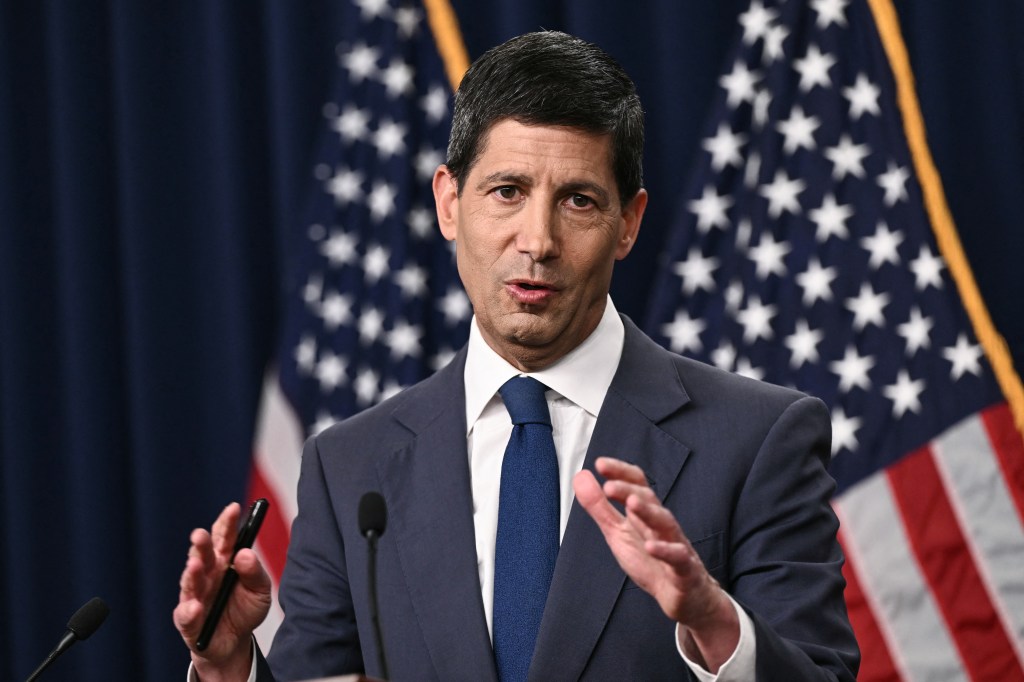
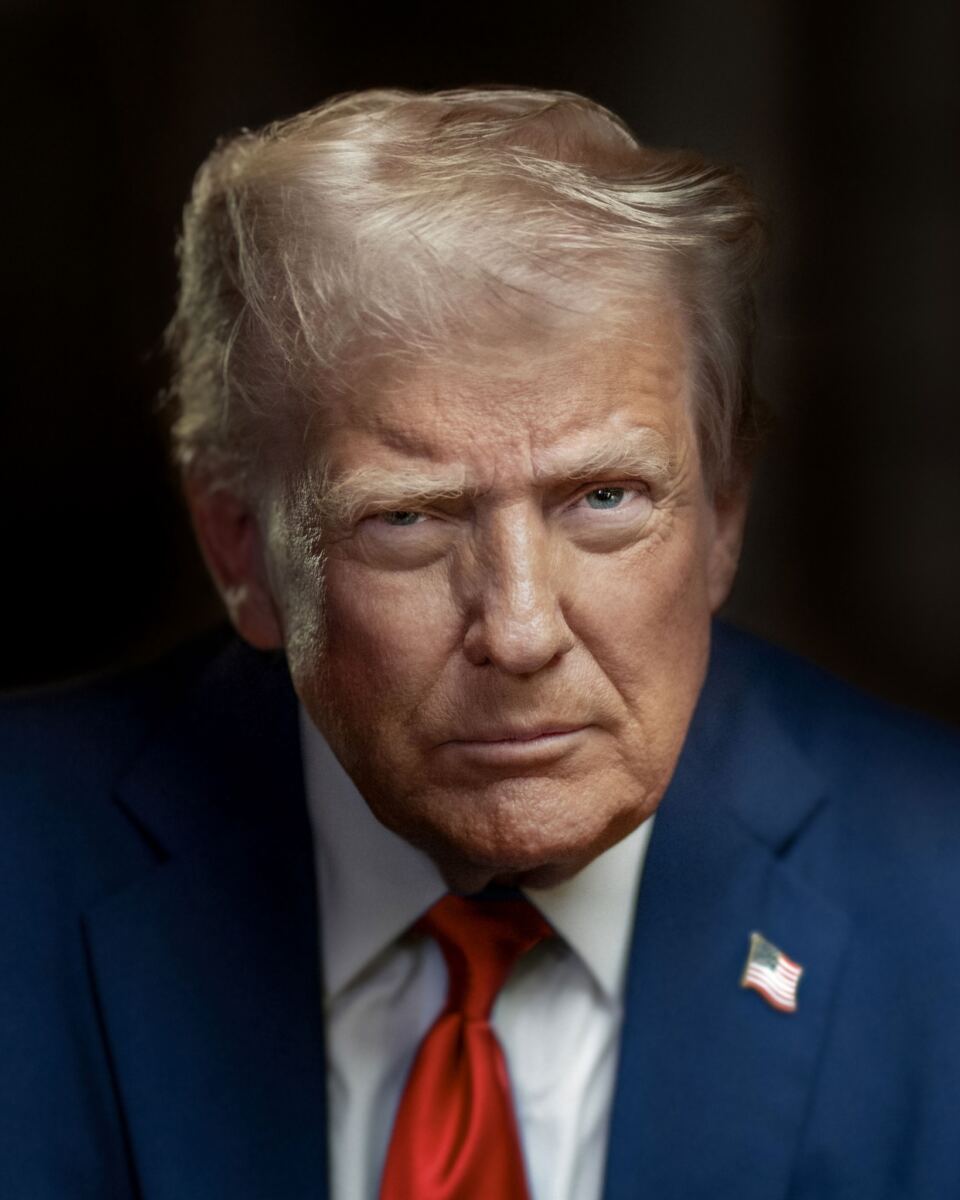
The president’s response came on Truth Social, where he stopped short of criticizing Warsh personally but made his preferred target unmistakable.
“Interest Rates in the United States should be 1%, or less, because we are the Best Credit in the World — BY FAR,” Trump wrote.
“Lower the interest rates for the United States of America, and fast!” he added in all-caps.
Warsh declined to comment on the break with the president, who has long argued the US should carry the world’s lowest borrowing costs. Trump has publicly praised his appointee despite the divergence, and had not weighed in on the hike as of Wednesday afternoon.
The move blindsided no one in trading pits. After an August inflation reading came in hotter than expected and energy prices surged, CME FedWatch data showed traders had priced in 93% odds of a quarter-point increase. Most economists had forecast two hikes this year, with the next meeting set for Oct. 28 — timing that would put a second increase just before November’s midterm elections.
Yet the Fed’s own projections landed harder than expected. Its dot plot shifted toward additional tightening, with 12 of 18 officials now penciling in at least one more hike this year and four expecting two. Only two predicted no further moves. The pattern fed investor anxiety that the central bank rarely moves in isolation.
The Dow Jones Industrial Average cratered 633 points, or 1.2%, by late afternoon, while the S&P 500 slipped 0.5%. The Nasdaq traded roughly flat. Long-term Treasury yields initially eased before resuming their climb, with the 10-year yield touching 5.012% — its second breach of 5% this week.
Christian Hoffmann, head of fixed income at Thornburg Investment Management, questioned whether the move would achieve its aims.
“Given an evolving reaction function and less communication from the Fed, I worry this move neither tames inflation nor fully restores credibility,” Hoffmann wrote in a Wednesday note. “The market had priced in a 90% expectation of a hike today, but the decision and the projections read as moderately more hawkish than expected.”
Warsh has deliberately stripped away the forward guidance that predecessors used to telegraph moves, arguing markets should react naturally to economic shifts. Alex Guiliano, chief investment officer at Resonate Wealth Partners, warned that opacity could stoke volatility ahead of future meetings.
At the press conference, Warsh attempted to deflect criticism that rate hikes would wallop lower-income Americans already squeezed by housing costs and gasoline prices.
“Those who are least well off have the most to gain from a durable expansion, a solid labor market and stable prices,” he said.
The internal policy debate has sharpened since Warsh arrived promising a good “family fight” over decisions. Officials remain split between the risk of hiking too soon and stunting growth, or waiting too long and letting inflation spiral.
Trump’s history with Fed leadership looms over the tension. During Powell’s tenure, the president called him “stupid” and a “numbskull” while demanding easier money. The Department of Justice even launched a criminal probe into Powell over an over-budget headquarters renovation, later dropped. Economists note that higher rates will soon hit mortgages, auto loans and credit cards for consumers already struggling with a tight housing market and elevated pump prices.
The Fed’s next meeting is Oct. 28 in Washington.